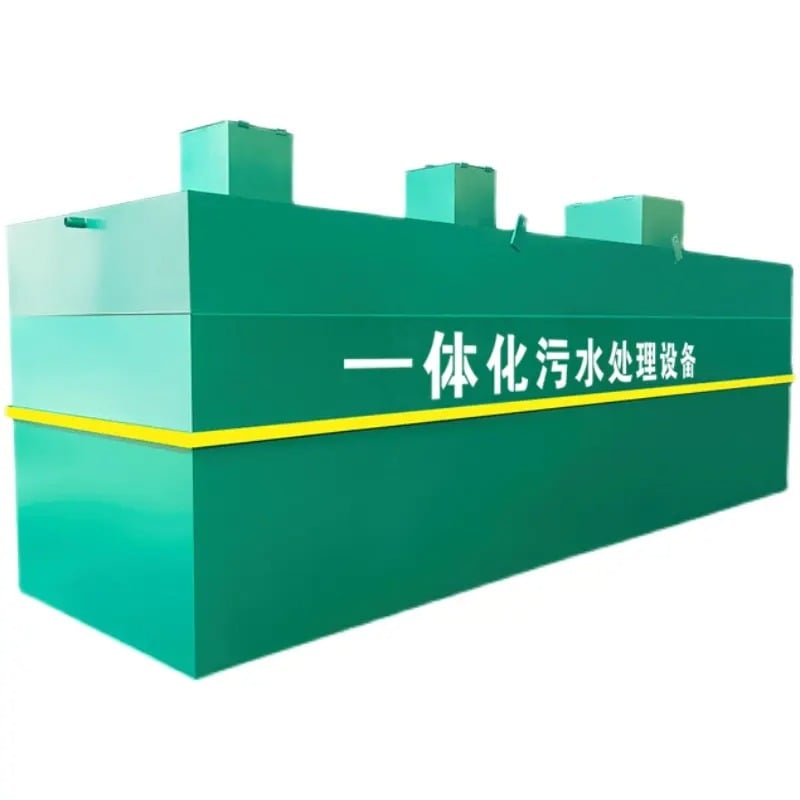
Breweries generate complex industrial wastewater streams with widely varying characteristics, and treating them as a single mixed flow creates operational inefficiencies and treatment cost overruns. The key to optimizing brewery wastewater management lies in implementing strategic stream segregation before treatment begins. By separating high-strength streams early, breweries can reduce the overall chemical oxygen demand (COD), lower energy consumption during treatment, and meet discharge standards more reliably. This approach transforms the economics of compliance and allows treatment systems to operate within their design parameters instead of being overwhelmed by peak contamination events.
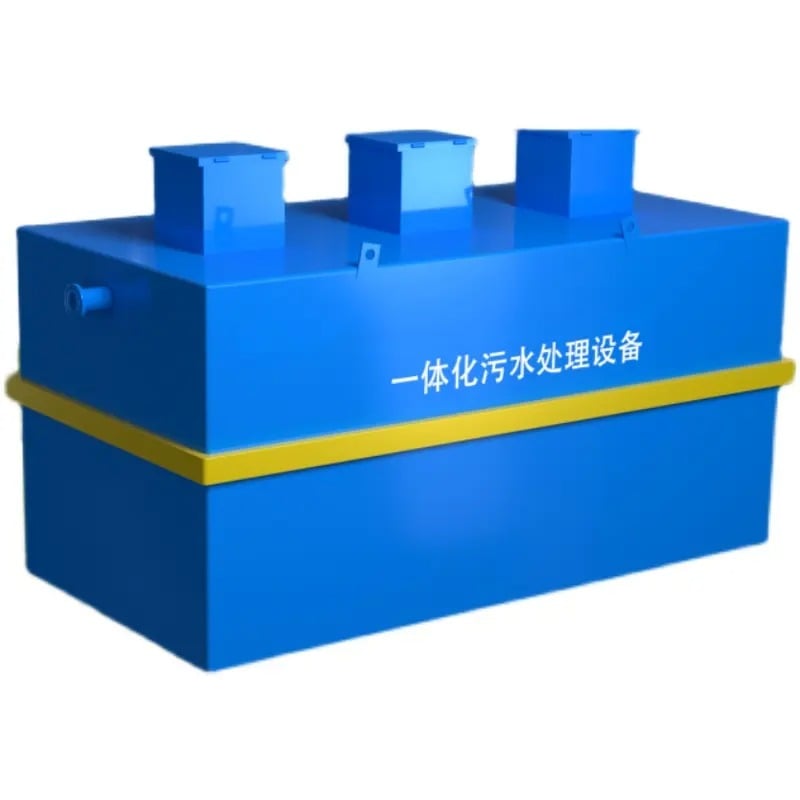
Understanding which wastewater streams create the highest treatment burden is essential for any brewery seeking sustainable operations. Yeast disposal, grain handling, cleaning operations, and process condensates all contribute different organic loads and suspended solids. Rather than sending all flows to a single treatment train, forward-thinking breweries implement segregation protocols that direct specific streams to specialized brewery wastewater pretreatment equipment. This separation strategy reduces contamination levels before the mixed effluent reaches the main biological treatment system, improving treatment efficiency and regulatory compliance.
Identifying High-Strength Wastewater Streams in Brewery Operations
Understanding Brewery Discharge Composition
Every brewery generates multiple wastewater sources, each carrying distinct organic and solids profiles that significantly impact COD levels. Yeast harvesting creates high-concentration slurries with suspended biomass, while grain washing introduces starch and soluble sugars. Caustic cleaning solutions and sanitizers add chemical complexity, and process condensates from kettles and coolers carry residual sugars and proteins. When these diverse streams blend before treatment, the combined load overwhelms biological systems and requires aggressive chemical dosing. By mapping each stream's composition and flow rate, breweries establish a baseline for segregation decisions that prevent treatment failures and equipment fouling.
Measuring COD and Stream Prioritization
Chemical oxygen demand (COD) is the critical metric for prioritizing which streams require immediate segregation and pretreatment. Streams exceeding 3000–5000 mg/L COD represent the primary treatment challenge and demand dedicated handling before blending with lower-strength flows. Brewery operations should conduct rapid COD screening across all discharge points to rank segregation priorities. High-priority streams typically include yeast disposal lines, spent grain wash water, and caustic cleaning rinse. Once identified, these segregated flows can be routed to specialized pretreatment systems, allowing lower-strength streams to proceed to conventional treatment. This tiered approach dramatically reduces peak loading and prevents upset conditions in downstream biological treatment.
Stream Segregation Strategy and Pretreatment Protocols
Physical Separation and Primary Treatment Methods
Effective stream segregation begins with physical infrastructure that directs high-strength wastewater away from lower-strength flows at the point of discharge. Installing collection systems for yeast and spent grain separately ensures these high-COD streams bypass the main treatment train initially. Gravity settling tanks and clarifiers remove suspended solids before the supernatant enters secondary treatment stages. For streams with high oil or fat content, dissolved air flotation (DAF) and skimming systems lift materials to the surface for removal, reducing organic burden. These pretreatment steps cut COD by 30–50% before the water reaches biological reactors, improving reaction rates and reducing oxygen demand for treatment processes.
Segregation Equipment and Integration
Modern brewery facilities employ flow diversion systems, separate collection tanks, and automated routing to segregate streams with minimal manual intervention. Pressure screens and fine screens separate gross solids from liquids early, preventing clogging in downstream equipment. Equalization tanks balance flow and concentration fluctuations, allowing treatment systems to operate at consistent rates rather than responding to sudden peak loads. Many breweries integrate flow-sensing technology that directs streams to the appropriate treatment path based on real-time COD or conductivity readings. This automation ensures consistency and prevents human error in stream routing, while also generating data that informs continuous operational improvements and regulatory reporting.
Benefits and Operational Outcomes of Stream Segregation
Cost Reduction and Efficiency Gains
Stream segregation and pretreatment reduce capital and operational expenses by lowering the overall load on main treatment systems. By removing 40–60% of COD through pretreatment, biological reactors require less aeration, lower chemical dosing, and fewer operating hours to reach discharge limits. Reduced sludge production from lower organic loading translates directly to lower dewatering and disposal costs. Treatment plants also require less frequent equipment maintenance because streams are no longer pushed beyond design capacity. Breweries that implement segregation typically see 20–35% reductions in total wastewater treatment costs within the first operating year, making the capital investment in segregation infrastructure economically justified within 2–3 years.
Regulatory Compliance and Discharge Standards
Meeting discharge standards becomes far more achievable when high-strength brewery streams are segregated and pretreated before entering the main treatment system. Regulatory agencies often impose strict COD limits for industrial discharge, and breweries using mixed-stream treatment frequently exceed these boundaries during peak production. Stream segregation ensures that the combined effluent leaving the brewery meets these limits reliably, regardless of daily production variations. Many jurisdictions offer incentives or permit advantages for facilities that implement pretreatment and segregation, recognizing that these practices reduce environmental impact and sewer system load. Additionally, demonstrated segregation protocols strengthen brewery relationships with municipal treatment authorities and reduce the risk of permit violations or fines.
FAQ
What is the difference between stream segregation and pretreatment?
Stream segregation is the physical separation of different wastewater sources at the point of generation, directing high-strength flows away from lower-strength flows. Pretreatment refers to the specific treatment processes applied to segregated streams, such as screening, settling, or dissolved air flotation, to remove solids and reduce COD before the water reaches main biological treatment. Together, they form an integrated strategy where segregation ensures each stream receives the most appropriate pretreatment, rather than forcing all flows through a single generic treatment path that is optimized for average conditions.
How much COD reduction can pretreatment achieve for brewery wastewater?
Properly designed brewery wastewater pretreatment systems can reduce COD by 30–60%, depending on the specific streams segregated and the pretreatment methods employed. Gravity settling removes suspended solids and reduces COD by 20–40%. Dissolved air flotation targeting oils and fats can add another 15–25% reduction. When high-strength streams like yeast and spent grain water are segregated and pretreated separately, combined COD reduction across the facility often reaches 40–50%, dramatically lowering the load on biological treatment systems and improving overall treatment efficiency.
Is stream segregation cost-effective for smaller breweries?
Stream segregation and pretreatment become cost-effective for breweries of all sizes when wastewater treatment costs or regulatory penalties are high. Smaller facilities may implement simpler segregation systems, such as separate tanks for yeast collection or gravity settling, without investing in advanced automated routing. Even basic segregation can reduce treatment costs by 15–25% by lowering overall COD load and reducing chemical and aeration expenses. Smaller breweries should assess their current treatment costs, discharge limits, and local regulatory environment to determine whether segregation investment is justified by operational savings and compliance benefits.

 EN