Brewery operations generate wastewater with highly variable characteristics, making brewery effluent treatment a complex challenge for facility managers and environmental compliance teams. The inconsistency stems from multiple sources: production lines producing beer with organic residues, cleaning-in-place (CIP) systems flushing lines with caustic and acidic solutions, and seasonal production fluctuations. This variability in chemical oxygen demand (COD) levels can overwhelm treatment systems if not managed strategically, leading to poor treatment efficiency, regulatory violations, and increased operational costs.
The key to successful brewery effluent treatment lies in understanding where variability originates and implementing technologies that smooth out these fluctuations before treatment. A brewery can experience COD swings from 500 mg/L during routine production to 8,000 mg/L or higher during intensive CIP cycles. These extreme variations demand a systematic approach that combines equalization, pretreatment, and robust biological treatment capacity to handle both peak and baseline loads effectively.
Understanding Brewery Wastewater Characteristics and COD Variability
Production-Related COD Sources in Brewery Operations
Brewery wastewater originates from multiple unit operations within a typical facility. Fermentation tanks, bottling lines, and packaging areas produce effluent rich in organic compounds, residual sugars, and proteins. Each production batch contributes different COD levels depending on product type, recipe complexity, and batch volume. Cold storage and temperature-controlled processes add cooling water that may contain trace organics, while filter backwashing introduces concentrated carbohydrate and yeast residues directly into the wastewater stream. These sources rarely discharge simultaneously or at consistent concentrations, creating the baseline variability that makes brewery effluent treatment particularly demanding.
CIP and Cleaning Cycles: The Primary Cause of COD Spikes
Cleaning-in-place systems are necessary for maintaining product quality and regulatory compliance, but they are the largest driver of COD variability in brewery facilities. CIP operations use hot caustic solutions to remove protein deposits, followed by acidic rinses and sometimes enzymatic cleaners. A single CIP cycle can discharge 500 to 2,000 gallons of highly concentrated wastewater with COD levels ten times higher than normal production effluent. When multiple CIP systems run in sequence—or worse, simultaneously—the brewery effluent treatment system receives a shock load that can exceed its designed capacity. This sudden influx of COD strains biological treatment processes, reduces treatment efficiency, and forces the facility to bypass treatment or operate at lower removal rates.
Equalization Systems: The Foundation of Stable Brewery Effluent Treatment
How Equalization Tanks Stabilize Variable COD
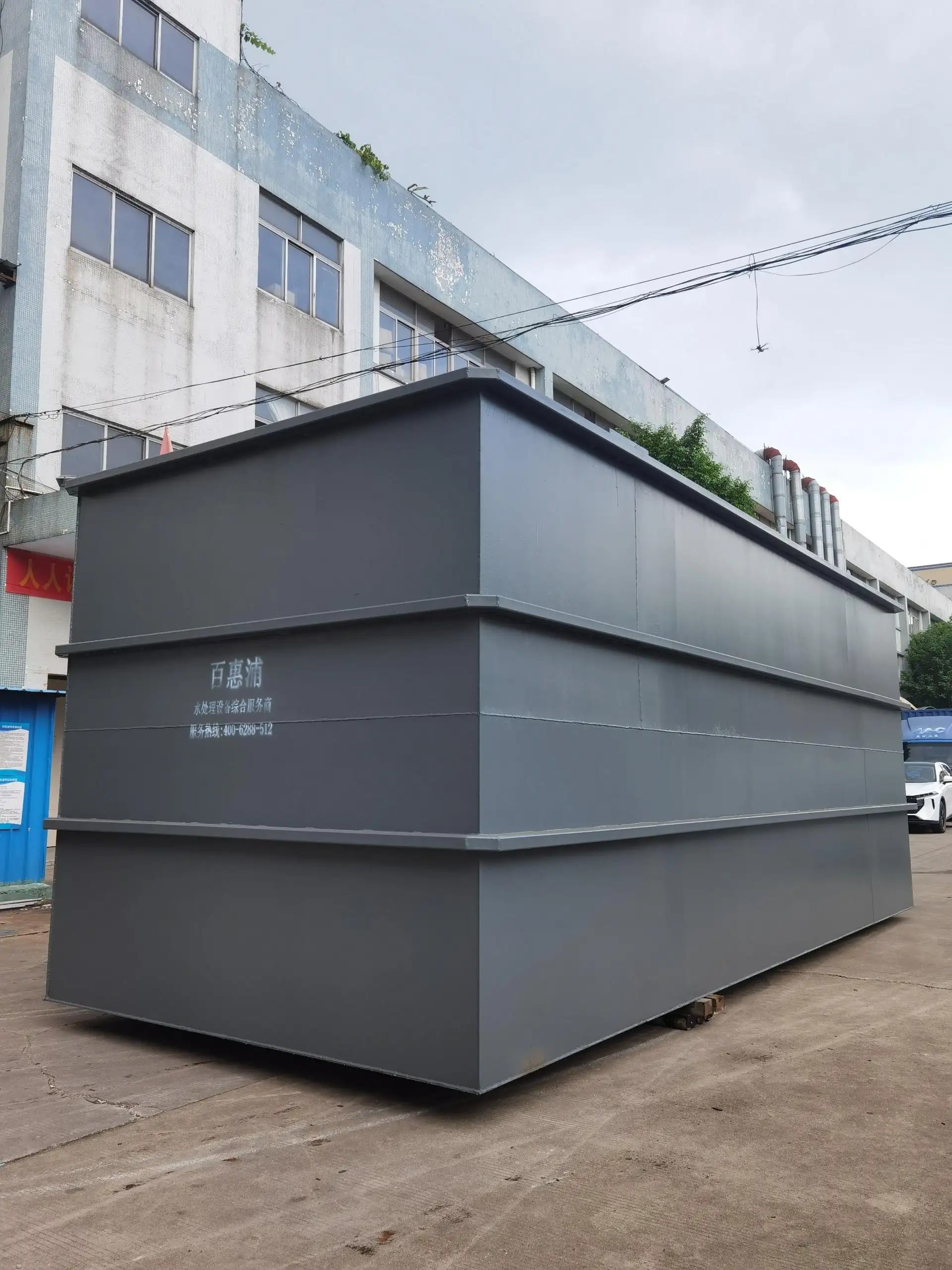
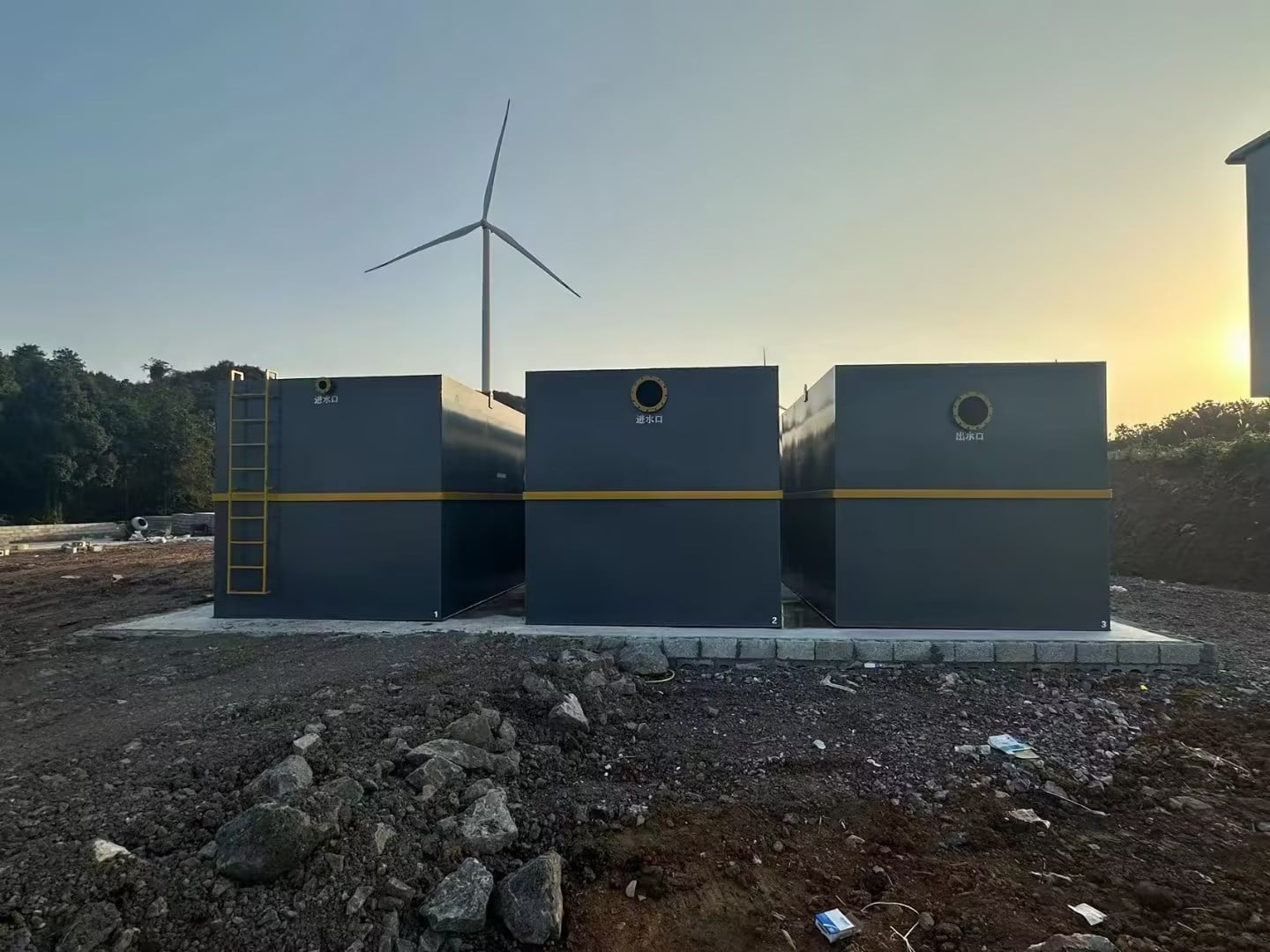
An equalization tank is the most cost-effective first line of defense in brewery effluent treatment. This large basin collects all wastewater from production and cleaning operations, allowing the facility to buffer high-COD discharges and release stable, average-strength effluent to the biological treatment system at a consistent rate. Equalization tanks typically range from 4 to 24 hours of average flowrate capacity, depending on brewery size and production schedule. By holding CIP effluent and peak loads temporarily, the tank allows extreme COD variations to be diluted across a longer treatment period. The brewery benefits from reduced shock loads to biological reactors, more predictable COD removal rates, and better compliance with effluent discharge limits. Proper equalization also reduces energy consumption in downstream treatment stages because the biological system operates under more stable, less stressful conditions.
Equalization Tank Design and Operational Requirements
Effective equalization in brewery effluent treatment requires careful tank sizing, mixing, and flow management. The tank must be large enough to absorb peak loads without overflowing, yet small enough to prevent excessive settling or anaerobic conditions that would generate odors and methane. Most breweries install tanks with 8 to 12 hours of storage at design flow, which smooths most daily COD variations while remaining economically practical. Mechanical mixing—such as submersible mixers or airlift circulation—prevents solids from settling and maintains aerobic conditions within the equalization tank. Flow equalization is achieved by pumping treated effluent to downstream biological reactors at a constant rate, regardless of incoming flow. This decouples incoming variability from treatment process demands, allowing the brewery effluent treatment system to operate predictably and maintain consistent COD removal rates throughout each 24-hour cycle.
CIP Scheduling and Process Integration
CIP cycles should be coordinated with equalization capacity and biological treatment throughput to prevent overload conditions. Breweries with advanced planning schedules CIP operations during low-production periods or spreads them across multiple time slots rather than concentrating them into a single window. This practice reduces the peak COD concentration entering the equalization tank and allows the biological treatment system to metabolize the organic load more completely. Some facilities pre-rinse CIP systems with water before the caustic phase to dilute the most concentrated cleaner residues separately. Others install separate equalization capacity dedicated to CIP effluent, which can be treated at a slower rate or require additional pretreatment before mixing with general brewery wastewater. Coordinating CIP with overall brewery effluent treatment strategy transforms cleaning operations from a liability into a manageable component of the treatment process.
Monitoring and Adaptive Treatment Control
Real-time monitoring of COD, pH, and flow allows breweries to optimize brewery effluent treatment response to incoming loads. Modern treatment facilities install COD sensors, flow meters, and pH probes at key points: equalization tank inlet, outlet, and biological reactor feed. These measurements enable operators to adjust aeration rates, sludge recirculation, or downstream chemical dosing based on actual incoming COD rather than fixed assumptions. When the equalization tank detects a sharp COD spike from a CIP cycle, operators can reduce the flow rate to the biological reactor, allowing more time for organic degradation. Conversely, during low-COD periods, throughput can be increased to maintain system efficiency. This adaptive control, combined with proper equalization, converts the brewery effluent treatment process from a reactive scramble into a predictable, optimized operation that meets environmental regulations and minimizes operating costs.
FAQ
What COD levels are typical in brewery wastewater?
Brewery wastewater COD typically ranges from 500 to 3,000 mg/L during normal production, but can spike to 5,000 to 10,000 mg/L during intensive CIP and cleaning cycles. The exact range depends on brewery size, product diversity, and cleaning frequency. Proper brewery effluent treatment must be sized to handle both baseline and peak loads.
How large should an equalization tank be for brewery effluent treatment?
Most breweries size equalization tanks to hold 8 to 12 hours of average wastewater flow, which provides sufficient buffering for daily production and CIP variability. A brewery generating 100,000 gallons per day would typically use a tank of 40,000 to 60,000 gallons. The exact size depends on the frequency and intensity of CIP cycles and production schedule.
Can brewery effluent treatment systems handle variable COD without equalization?
Most biological brewery effluent treatment systems can absorb short-term COD spikes without equalization, but efficiency and compliance suffer significantly. Without equalization, the brewery risks treatment upset, poor pollutant removal, and permit violations. CIP equalization is strongly recommended for any facility running intensive cleaning cycles, as it protects downstream treatment and ensures consistent compliance.

 EN