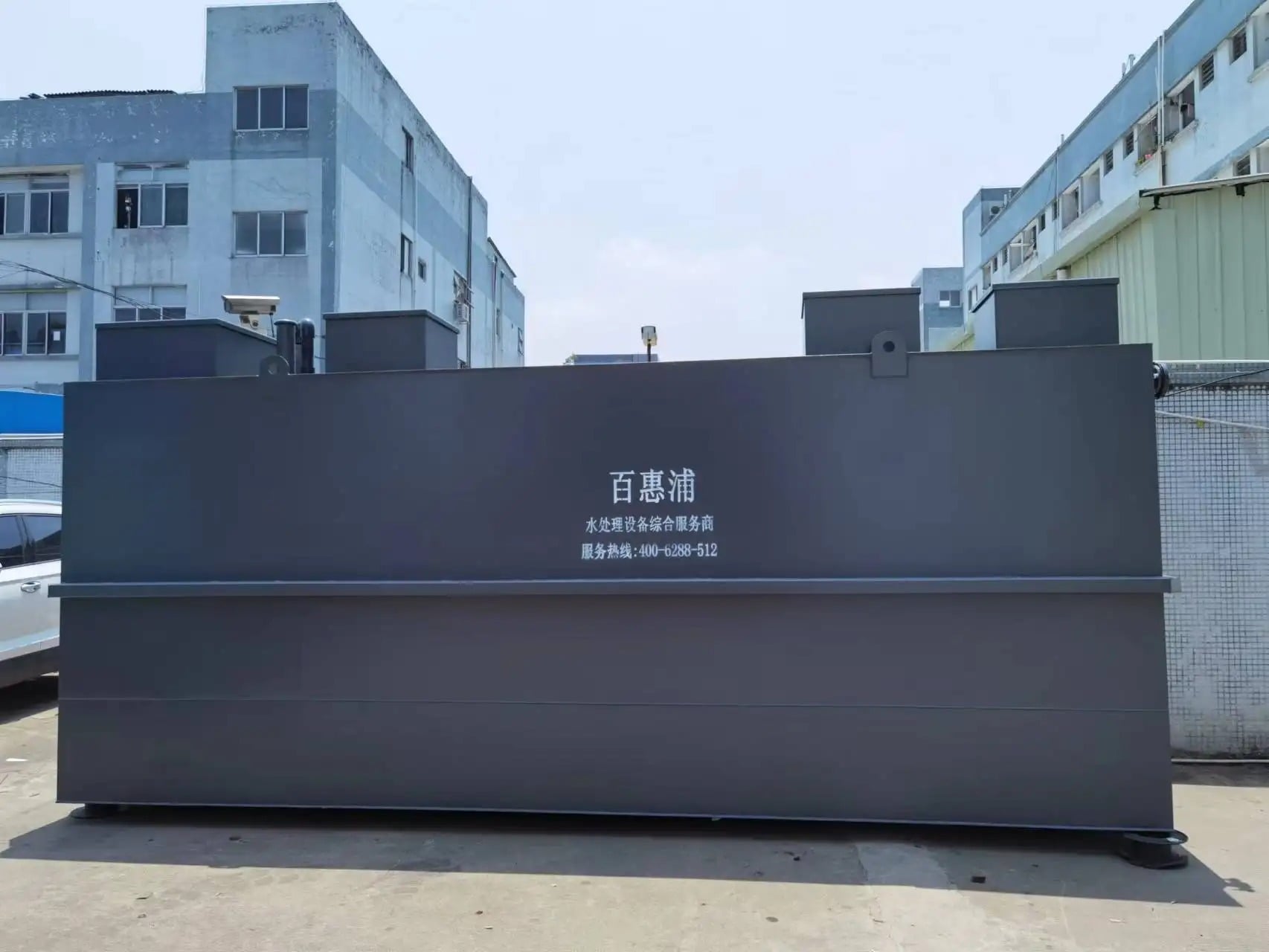
The beverage industry generates substantial wastewater containing dissolved sugars, residual product, cleaning compounds, and organic material that pose significant treatment challenges. Effective beverage wastewater treatment requires understanding how sugar content and cleaning-in-place (CIP) chemicals fundamentally alter treatment dynamics and pH levels throughout the purification process. These contaminants interact with biological and chemical treatment systems in ways that demand specialized approaches to achieve regulatory compliance and operational efficiency.
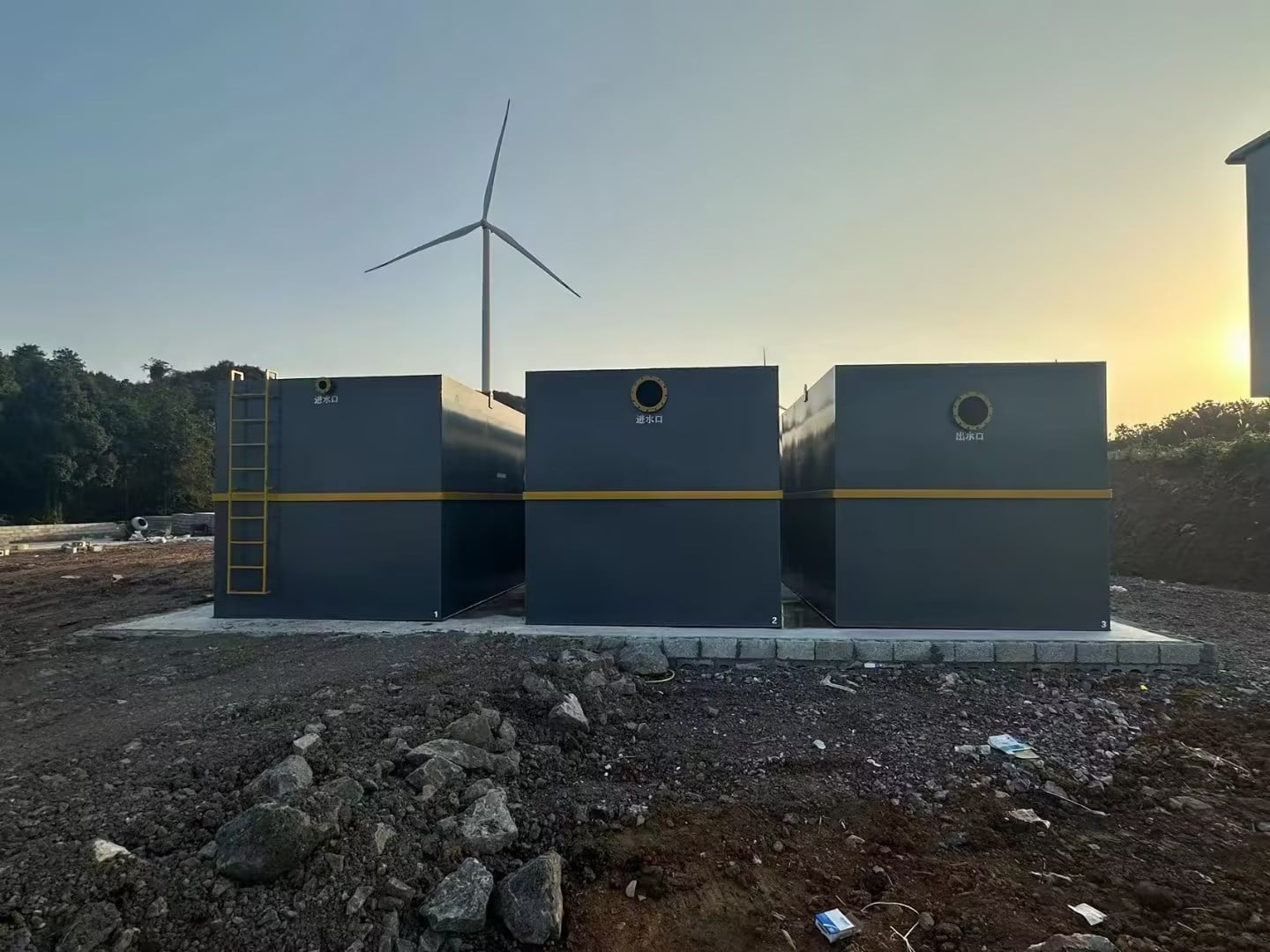
Understanding the specific composition of beverage plant effluent is essential for designing treatment systems that can handle both process wastewater and cleaning discharges. Sugar-laden wastewaters create high biochemical oxygen demand (BOD), while CIP operations introduce caustic or acidic residues that destabilize pH and inhibit microbial activity. When these factors combine, standard treatment protocols fail unless operators adjust their approach to account for the unique characteristics of beverage manufacturing discharge.
How Sugar Content Impacts Treatment Efficiency
Organic Load and Biological Demand
Beverages contain significant dissolved sugar that becomes wastewater when bottles are rinsed, production lines are flushed, or product is discharged. This sugar is highly biodegradable and creates rapid oxygen depletion in untreated discharge, making it the primary driver of BOD in most beverage facilities. During biological treatment, microorganisms consume this sugar as an energy source, but the fermentation process itself generates volatile fatty acids and methane if anaerobic conditions develop. Proper aeration and sludge retention time become critical because sugar-heavy wastewaters can overwhelm standard activated sludge systems if hydraulic or organic loading rates exceed design capacity.
Shock Load Vulnerability
Beverage production runs vary significantly in volume and product type, creating intermittent surges of sugar-concentrated wastewater. When a beverage facility switches products or experiences equipment failures, the wastewater sugar concentration can spike unexpectedly, shocking biological treatment systems and killing beneficial microorganisms. Equalization tanks and flow buffering become mandatory design elements in beverage wastewater treatment to smooth these peaks. Without adequate storage or flow control, the treatment process destabilizes, microbial populations collapse, and effluent quality deteriorates until the biological community recovers over several days.
CIP Chemicals and pH Destabilization
Caustic and Acid Residues
Cleaning-in-place (CIP) systems use concentrated caustic and acidic solutions to remove biofilm and product residue from production equipment and pipelines. When CIP discharge enters the wastewater stream, these strong alkaline and acidic chemicals drastically alter pH, creating an unstable environment for biological treatment. Caustic CIP solutions can raise pH above 13, while acidic rinses can drop it below 2, and neither extreme supports microbial metabolism. The pH swings from CIP discharge require immediate pH neutralization, typically through dual basin neutralization or the addition of sulfuric acid and sodium hydroxide in controlled amounts, before wastewater can enter biological treatment stages.
Microbial Inhibition and Treatment Lag
Even after pH adjustment, residual CIP chemicals can inhibit or temporarily deactivate microbial populations in biological treatment units. Caustic residues can saponify cell membranes, while certain cleaning surfactants persist in the wastewater and suppress microbial activity. This creates a lag phase where biological treatment performance drops by 20 to 40 percent until microorganisms either adapt or are replaced by more resistant strains. In beverage wastewater treatment systems, operators must account for this reduced efficiency window and often employ pre-treatment steps such as chemical precipitation or activated carbon adsorption to remove persistent CIP compounds before biological treatment.
Integrated Treatment Strategies for Beverage Facilities
Multi-Stage pH and Organic Management
Modern beverage wastewater treatment combines equalization, pH correction, chemical coagulation, and biological treatment to handle sugar and CIP challenges simultaneously. The first stage isolates and neutralizes CIP discharge in a separate basin, where pH is adjusted to the 6.5 to 7.5 range suitable for biological treatment. Sugar-rich wastewater is routed through an equalization tank to moderate BOD shock loads. Chemical coagulants such as ferric sulfate or aluminum sulfate are added to precipitate colloidal material and remove surfactant residues before the blended stream enters the main biological reactor. This layered approach ensures that neither sugar peaks nor CIP chemicals overwhelm the system.
Biological Treatment Optimization
Activated sludge or membrane bioreactor (MBR) systems work well for sugar-dominant wastewater once pH and chemical inhibitors are controlled. Extended aeration promotes complete oxidation of sugar and reduces sludge bulking. Maintaining adequate sludge retention time (typically 8 to 12 days for beverage wastewater treatment) allows microorganisms to stabilize and metabolize sugar compounds efficiently. Some facilities employ beverage wastewater treatment systems that combine biological oxidation with nutrient removal, particularly when beverages contain phosphates or nitrogen. Blended treatment protocols reduce both BOD and ammonia nitrogen, resulting in cleaner final effluent and lower disposal costs.
Operational Monitoring and Control
Real-time pH monitoring, flow measurement, and BOD trending are essential for stable beverage wastewater treatment operation. Facilities that track daily CIP discharge timing can schedule wastewater treatment processes to avoid simultaneous arrival of high-pH and high-sugar loads. Automated pH correction systems respond within minutes to chemical variations, maintaining the narrow pH window that biological systems require. Sludge age monitoring and microbial population assessment help operators detect early signs of stress or inhibition and adjust residence times or aeration rates before effluent quality fails. Facilities with robust monitoring protocols experience 15 to 25 percent better treatment stability and lower regulatory violations.
FAQ
Why does sugar in beverage wastewater create such high treatment demand?
Sugar is highly soluble and readily fermented by microorganisms, which consume dissolved oxygen rapidly and generate acidic byproducts. This high biochemical oxygen demand (BOD) exhausts oxygen in rivers and receiving waters if untreated, causing fish kills and algal blooms. Because beverage wastewater contains 2,000 to 8,000 mg/L BOD depending on product type and dilution, standard municipal treatment plants cannot accept it without pretreatment, making on-site beverage wastewater treatment mandatory for most facilities.
How does CIP discharge differ from regular wastewater streams?
CIP discharge is concentrated, intermittent, and chemically extreme, with pH often outside 0 to 14 equivalents. Unlike process wastewater, which mixes continuously, CIP discharge arrives in pulses and can temporarily overwhelm treatment systems if not segregated or neutralized first. The strong caustic or acid nature kills microorganisms instantly, requiring immediate pH adjustment before biological treatment can function. This is why beverage wastewater treatment systems must include dedicated CIP neutralization stages rather than mixing CIP discharge directly with biological reactors.
What is the ideal pH range for biological treatment of beverage wastewater?
Biological microorganisms function optimally in the pH 6.5 to 8.0 range, with peak activity near 7.0 to 7.5. Below pH 6.0, acidophilic bacteria dominate and treatment efficiency drops sharply. Above pH 8.5, alkaline conditions inhibit nitrification and promote ammonia stripping, wasting nitrogen. For beverage wastewater treatment, maintaining pH between 6.8 and 7.2 ensures stable metabolism of sugar and organic material while preserving microbial diversity and resilience against future CIP shocks or process changes.

 EN