The beverage industry wastewater treatment challenge intensifies dramatically during seasonal production peaks. Manufacturers face unpredictable flow volumes, fluctuating organic loads, and compliance pressures that standard treatment systems struggle to handle. Without proper planning, treatment facilities risk system failures, permit violations, and operational disruptions that can halt production and damage brand reputation.
Effective wastewater management requires a strategic approach that accounts for seasonal variation from the planning phase onward. Beverage producers must understand how production cycles create treatment bottlenecks, then deploy technologies and operational practices that maintain consistent performance year-round. This article explores practical strategies for sizing, equalization, and capacity management that enable beverage manufacturers to handle peak seasons confidently while maintaining regulatory compliance.
Understanding Seasonal Load Variations in Beverage Production
Why Seasonal Demand Drives Wastewater Complexity
Beverage production follows predictable seasonal patterns: summer months see increased soft drink and bottled water demand, while holiday seasons drive spirits and ready-to-drink beverage volumes higher. These production spikes create corresponding sewage surges that differ dramatically in volume and composition from baseline operations. A beverage facility operating at 60% capacity in winter may face triple the wastewater flow during peak summer production, straining treatment infrastructure and creating organic loading shocks that treatment processes cannot easily accommodate.
The seasonal load challenge extends beyond simple volume increases. Peak production periods often compress production timelines, intensifying wastewater concentration. Beverage manufacturers accelerate line speeds, extend operating hours, and increase cleaning frequency during these windows, which raises biochemical oxygen demand, chemical oxygen demand, and suspended solids simultaneously. Treatment systems designed only for average flow rates will become undersized during peaks, leading to poor effluent quality, permit violations, and potential facility shutdowns.
Composition Variation Across Product Mix Shifts
Different beverage types generate vastly different wastewater compositions. Carbonated soft drink lines produce high-carbohydrate, moderate-protein wastewater, while dairy-based beverages introduce higher fat and protein loads. Juice production adds complex sugars and pectin-laden streams. During seasonal transitions, manufacturers switch product formulations and line assignments to meet market demand, causing rapid shifts in incoming wastewater characteristics that disrupt treatment biology and chemical treatment efficiency.
Core Strategies for Capacity and Equalization Planning
Equalization as the Foundation for Seasonal Resilience
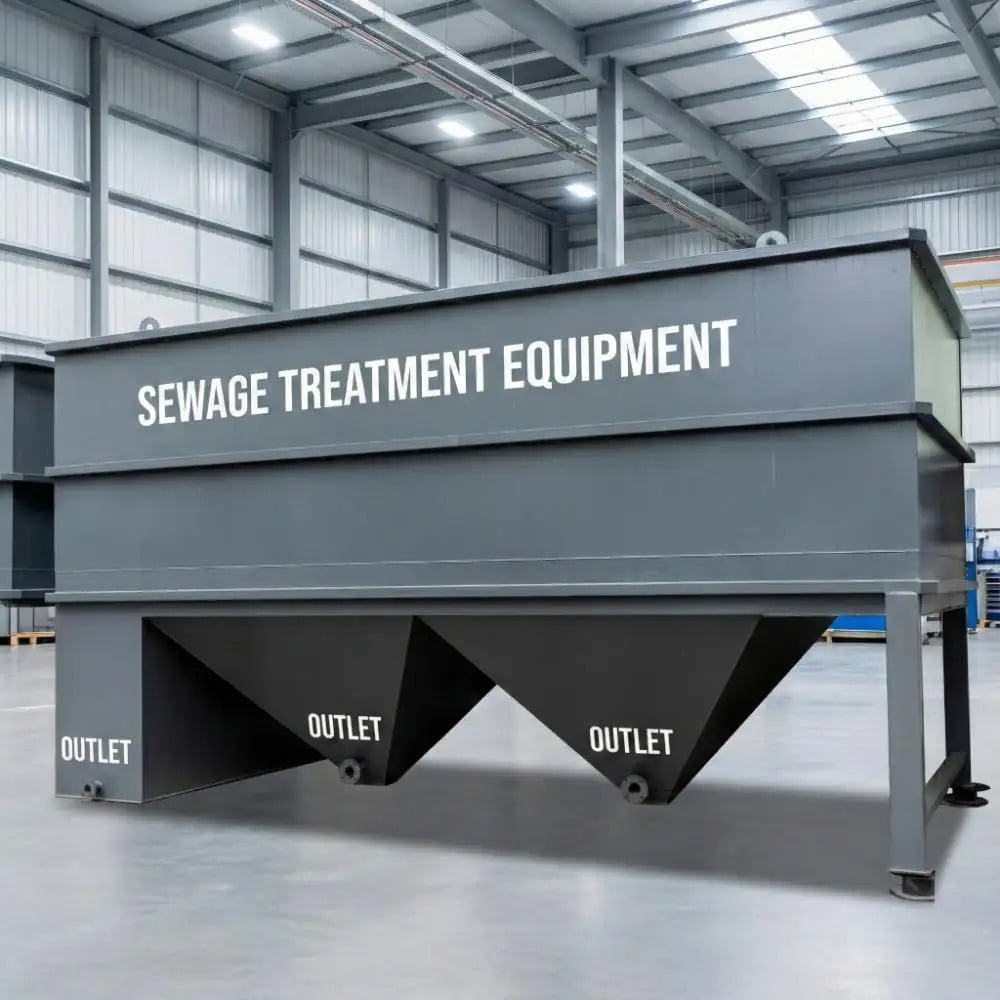
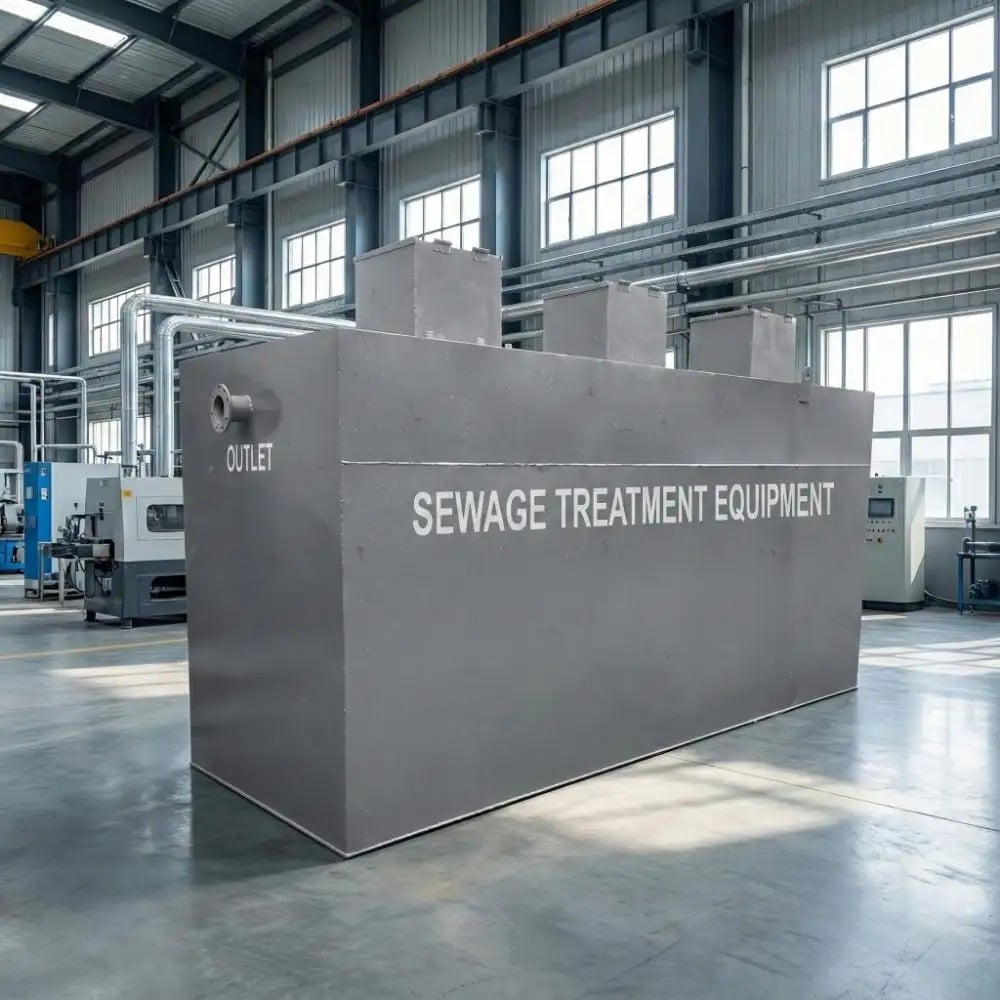
Equalization tanks represent the most critical tool for managing seasonal load challenges in beverage industry wastewater treatment systems. These holding basins buffer incoming flow spikes by storing excess wastewater during peak hours and releasing it at controlled, manageable rates to downstream treatment processes. An appropriately sized equalization system smooths incoming hydraulic shocks and reduces organic load peaks, allowing biological treatment systems to operate within their design parameters even when production surges create temporary overloads.
Equalization tank sizing requires detailed analysis of facility operations. Engineers must collect hourly wastewater generation data across full seasonal cycles, identify peak flow patterns, and calculate the volume needed to store one full shift or more of peak-hour wastewater. Most beverage facilities require equalization capacity equal to 8 to 12 hours of peak production flow. Undersized tanks fail to smooth flow adequately; oversized tanks waste capital and footprint. The seasonal load profile directly determines tank volume requirements, making accurate historical data collection essential during the planning phase.
Capacity Planning Based on Peak-to-Average Ratios
Capacity planning must account for the ratio between peak and average wastewater flows. Beverage manufacturers typically experience peak-to-average ratios between 2.5:1 and 4:1, meaning peak-hour flows may reach four times baseline rates. Treatment process sizing becomes the critical decision point: oversizing all processes to handle peaks wastes capital on equipment and energy; undersizing creates operational fragility. Most facilities optimize by combining adequate equalization with treatment processes sized for 85 to 90 percent of peak flow, allowing equalization to absorb remaining spikes and create buffer capacity.
The seasonal load profile must inform this calculation precisely. A facility with mild seasonal variation may operate successfully with processes sized for 70 percent of peak flow combined with smaller equalization; a facility with extreme peaks may require oversized equalization or hybrid approaches using both larger holding capacity and higher treatment design factors. Historical production data reveals whether seasonal variation is consistent and predictable or erratic, which affects equipment selection confidence and contingency planning.
Operational and System Design Considerations
Modular and Flexible Treatment Architecture
Modern beverage facilities increasingly adopt modular, scalable treatment systems that expand capacity without shutting down operations. Skid-mounted, containerized treatment units can be deployed seasonally or permanently to match production growth and seasonal demand. This approach allows manufacturers to install baseline capacity for average operations, then add temporary treatment capacity during peak seasons or as business grows. Modular systems reduce capital risk, enable faster deployment, and provide operational flexibility that fixed-site infrastructure cannot match.
Capacity planning must evaluate whether seasonal peaks are temporary market-driven events or signals of business growth. If peaks are temporary, seasonal modular additions prove cost-effective. If production is trending upward and seasonal load peaks grow year-over-year, permanent facility expansion may be more economical long-term. The treatment system architecture decision directly affects both capital investment and operational flexibility during high-volume periods.
Monitoring and Control Systems for Peak-Period Management
Automated monitoring systems enable real-time capacity management during seasonal peaks. Flow meters, dissolved oxygen probes, and pH sensors provide continuous feedback on treatment performance, allowing operators to adjust aeration, chemical dosing, and return sludge rates as incoming loads fluctuate. Advanced facilities use SCADA systems to predict peak flows based on production schedules and preemptively adjust equalization tank discharge rates to prevent downstream overloads. These control systems maintain treatment efficiency even as seasonal load swings challenge the system repeatedly.
FAQ
How much equalization capacity should a beverage facility plan for peak seasons?
Most beverage manufacturers require equalization capacity equal to 8 to 12 hours of peak production flow. The exact volume depends on the facility's peak-to-average flow ratio and the degree of flow variation throughout each shift. Detailed analysis of historical wastewater generation, including hour-by-hour flow data during peak and off-peak seasons, provides the data needed for accurate sizing. Undersized tanks fail to provide adequate buffering; oversized tanks waste capital and space.
What is the typical peak-to-average flow ratio in beverage wastewater systems?
Beverage industry wastewater treatment systems typically experience peak-to-average ratios between 2.5:1 and 4:1, meaning peak-hour flows may reach two-and-a-half to four times baseline rates. Facilities with extreme seasonal demand variations or compressed production schedules approach the higher end of this range. Accurate ratio calculation from historical operational data is essential for proper treatment process sizing and equalization planning.
Can modular treatment systems handle seasonal beverage production peaks?
Yes, modular and skid-mounted treatment units are increasingly deployed to manage seasonal capacity needs. These systems can be installed permanently or added temporarily during peak seasons, providing flexible capacity that matches production demand without permanently oversizing treatment infrastructure. Modular systems prove especially cost-effective for facilities experiencing temporary seasonal peaks rather than sustained year-round growth, allowing manufacturers to optimize capital investment while maintaining regulatory compliance.

 EN