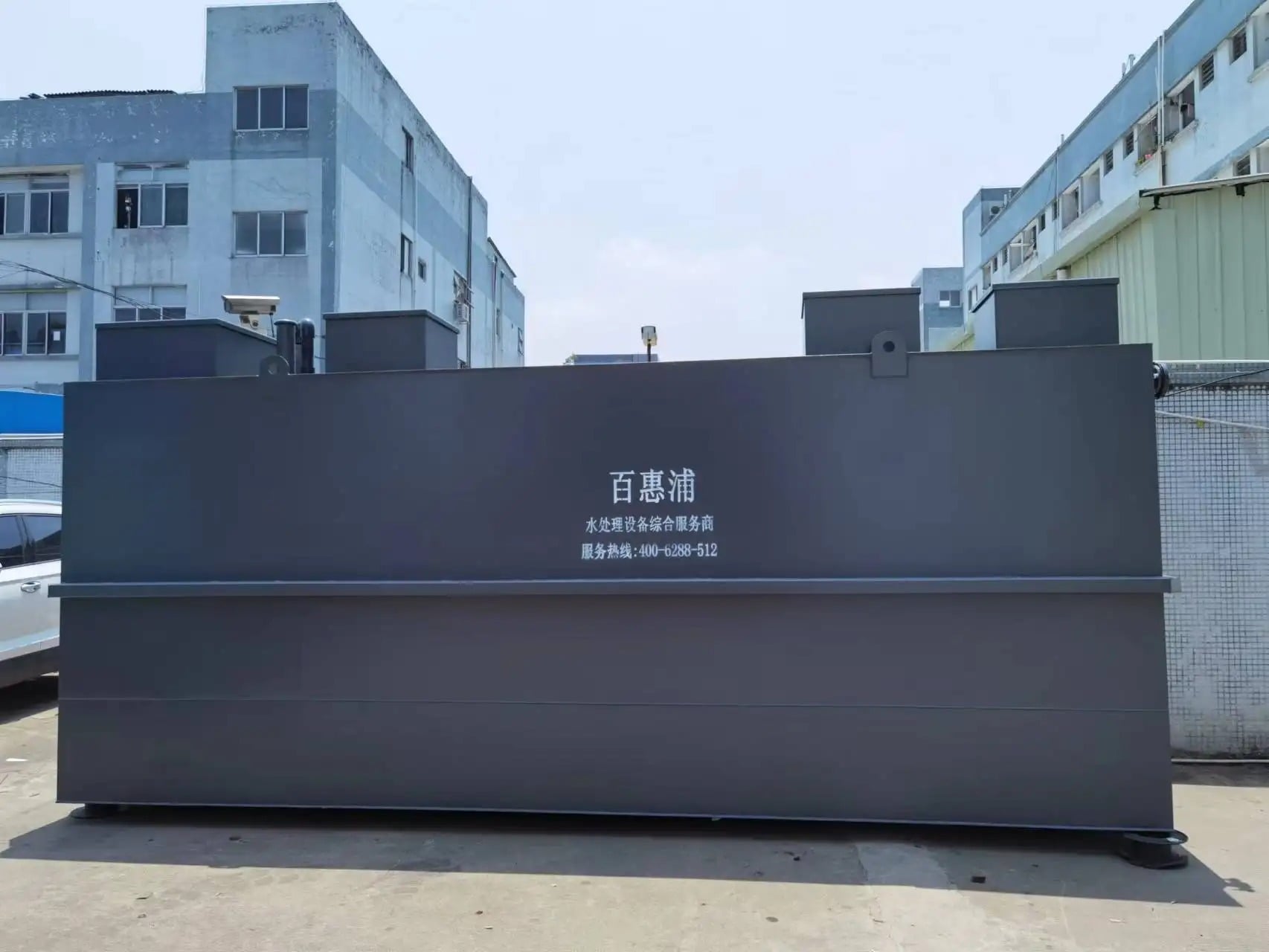
An aerobic wastewater treatment system relies on the careful balance between aeration intensity and energy consumption to deliver both regulatory compliance and operational cost control. Wastewater facilities worldwide face mounting pressure to treat influent effectively while minimizing power expenditure, and this balance is fundamental to success. Understanding how aeration drives treatment performance while managing energy costs is essential for any industrial or municipal operation seeking sustainable, economically viable treatment outcomes.
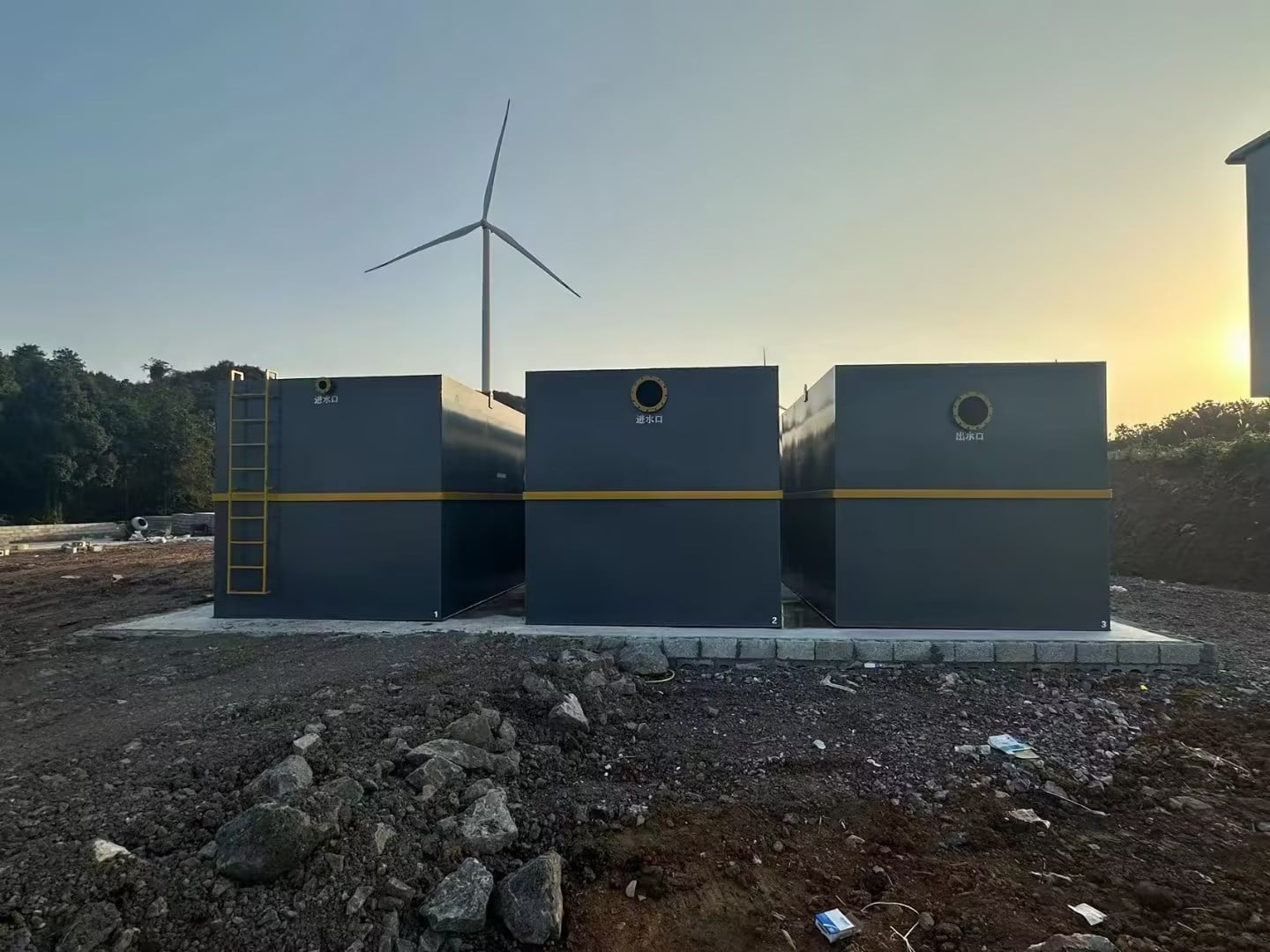
The operation of an aerobic wastewater treatment system demands precision in managing aeration rates, dissolved oxygen (DO) levels, and energy input. Without proper aeration, microorganisms cannot oxidize organic matter and remove nitrogen efficiently. Excessive aeration, however, drives energy bills higher without proportional treatment gains. This article explores how to achieve optimal performance by understanding the relationship between aeration design, DO control, energy consumption, and operational strategy.
Understanding Aeration in Aerobic Treatment
How Aeration Drives Biological Processes
Aeration is the core mechanism that delivers oxygen to wastewater, enabling aerobic microorganisms to break down organic pollutants. In an aerobic wastewater treatment system, aeration equipment such as blowers, diffusers, or surface aerators continuously introduce air into the basin. This oxygen becomes dissolved oxygen (DO), which bacteria and protozoa use for metabolic activity. The efficiency of this process directly impacts removal rates for biochemical oxygen demand (BOD), chemical oxygen demand (COD), ammonia nitrogen, and other contaminants.
The performance of aeration depends on multiple factors including basin depth, liquid volume, wastewater composition, temperature, and microbial population. Within an aerobic wastewater treatment system, DO concentration must remain within an optimal range, typically 2 to 4 mg/L for conventional activated sludge processes. Below this range, treatment efficiency declines sharply. Above this range, additional oxygen provides diminishing returns while aeration energy demands increase significantly.
The Role of DO Concentration
Dissolved oxygen (DO) concentration is the primary indicator of aerobic wastewater treatment system health and performance. DO levels directly correlate with the rate at which organic and inorganic compounds are oxidized. Maintaining DO at appropriate setpoints ensures consistent nitrification, removal of organic carbon, and reduction of nitrogen species. Most facilities establish DO control strategies that adjust aeration intensity based on real-time DO probe readings.
In an aerobic wastewater treatment system, DO management creates a direct link between aeration effort and energy consumption. Higher DO targets require more aeration, which consumes more electrical energy. Lower DO setpoints reduce energy but risk incomplete treatment. The optimal DO concentration balances these competing demands, ensuring that treatment objectives are met at the lowest practical energy cost. This is why DO control is often the primary lever for energy optimization in modern facilities.
Energy Consumption and Operational Cost Control
Quantifying Energy Demand in Aeration
Aeration accounts for 45 to 75 percent of total electrical energy consumption in most aerobic wastewater treatment system installations. The specific energy requirement, expressed as kilowatt-hours per kilogram of oxygen transferred (kWh/kg O₂), varies based on equipment type, basin design, and operating strategy. Fine-bubble diffusers typically require 1.5 to 2.5 kWh/kg O₂, while coarse-bubble systems consume 3 to 4 kWh/kg O₂. Operation decisions that increase aeration directly translate to rising energy costs.
Understanding the energy footprint of aeration within an aerobic wastewater treatment system helps operators make informed decisions about DO setpoints, blower capacity, and technology upgrades. If a facility treats 5,000 cubic meters per day and requires 10 kg/day of oxygen transfer, the annual aeration energy cost can exceed $100,000 depending on local electricity rates. Even modest reductions in aeration requirements through DO optimization generate substantial savings. This economic reality has driven widespread adoption of automated DO control and energy-efficient aeration technologies.
Strategies for Reducing Energy Without Compromising Treatment
Modern aerobic wastewater treatment system operators employ several strategies to lower energy while maintaining regulatory compliance. Variable frequency drives (VFDs) on blowers allow aeration intensity to adjust automatically in response to changing influent loads and DO measurements. Rather than running blowers at constant speed, VFD-equipped systems ramp down when DO rises and ramp up when DO falls, reducing unnecessary energy waste. Many facilities have reported 20 to 40 percent reductions in aeration energy through VFD installation and proper control tuning.
Another approach involves optimizing basin geometry and diffuser placement within an aerobic wastewater treatment system. Inefficient aeration distribution means some regions remain under-oxygenated while others receive excess oxygen. Retrofitting diffuser systems or redesigning basin layouts ensures more uniform DO distribution with less total aeration energy. Additionally, selecting appropriate aeration intensity for specific wastewater characteristics reduces over-aeration. Wastewater with lower BOD may require less DO than typical design assumptions suggest, creating opportunities for energy reduction without performance loss.
Balancing Treatment Performance with Operational Efficiency
Setting Optimal DO Targets
The art of operating an aerobic wastewater treatment system effectively lies in identifying the minimum DO concentration that still achieves effluent quality goals. Rather than defaulting to high DO setpoints for safety margin, facilities should conduct treatability studies to determine precise DO thresholds for their specific influent characteristics. For example, if effluent ammonia nitrogen consistently remains below the permit limit at 2.0 mg/L DO, reducing the setpoint from 3.0 mg/L to 2.0 mg/L saves substantial aeration energy. This data-driven approach transforms DO optimization from guesswork into engineered operation.
Seasonal variation also influences optimal DO targets within an aerobic wastewater treatment system. Cold-weather operation typically requires higher DO because oxygen transfer efficiency decreases at lower temperatures, and microbial activity slows. Warm-weather operation may tolerate lower DO because oxygen dissolves more readily and biological kinetics accelerate. Facilities that adjust DO setpoints seasonally capture additional energy savings while maintaining treatment reliability across temperature extremes.
Monitoring and Adaptive Operation
Real-time monitoring is critical for balancing aeration and energy within an aerobic wastewater treatment system. Reliable DO probes, online monitors for effluent quality, and nutrient analysis allow operators to detect changes in influent characteristics and adjust aeration accordingly. When wastewater strength increases unexpectedly, increasing aeration prevents treatment failure. When influent loads drop, reducing aeration prevents energy waste. Facilities with advanced automation and data analytics can optimize operation dynamically, responding to hourly variations in influent quality and flow.
Tracking energy consumption trends and treatment performance metrics reveals whether operation is drifting toward inefficiency. If effluent quality remains stable while aeration energy climbs month-to-month, fouled diffusers, failing blowers, or suboptimal control tuning may be responsible. Regular maintenance, probe calibration, and control logic review keep an aerobic wastewater treatment system performing at peak efficiency. Preventive maintenance on aeration equipment prevents sudden energy surges and ensures consistent, predictable operation.
FAQ
What is the typical DO range for aerobic wastewater treatment systems?
Most aerobic wastewater treatment systems operate with DO concentrations between 2.0 and 4.0 mg/L. Conventional activated sludge processes often target 2.0 to 3.0 mg/L for carbon oxidation and nitrification. Higher DO may be necessary during startup, shock loads, or when treating wastewater with high ammonia content. Lower DO may be sufficient for facilities with less stringent effluent standards or lower-strength influent. The optimal setpoint depends on specific effluent goals, influent characteristics, and economics.
How can energy consumption be reduced in an aerobic wastewater treatment system?
Energy reduction strategies include installing variable frequency drives to adjust blower speed based on DO demand, optimizing aeration diffuser placement for uniform oxygen distribution, selecting appropriate DO setpoints for specific influent conditions, and performing regular maintenance to prevent equipment fouling. Seasonal DO adjustments, influent pretreatment to reduce organic load, and sludge reduction techniques also lower total aeration energy. Many facilities achieve 15 to 40 percent energy savings through a combination of technology upgrades and operational optimization within their aerobic wastewater treatment system.
How does DO concentration affect effluent quality in an aerobic wastewater treatment system?
DO concentration directly determines the rate and extent of organic carbon removal, nitrification, and denitrification within an aerobic wastewater treatment system. Insufficient DO limits microbial oxidation of BOD and COD, resulting in poor effluent quality and permit violations. Adequate DO ensures complete nitrification to nitrate and removal of ammonia nitrogen. Excess DO provides no additional treatment benefit and only increases energy cost. Proper DO management within an aerobic wastewater treatment system balances compliance with economy.

 EN