1 m³/h Industrial RO Pure Water System
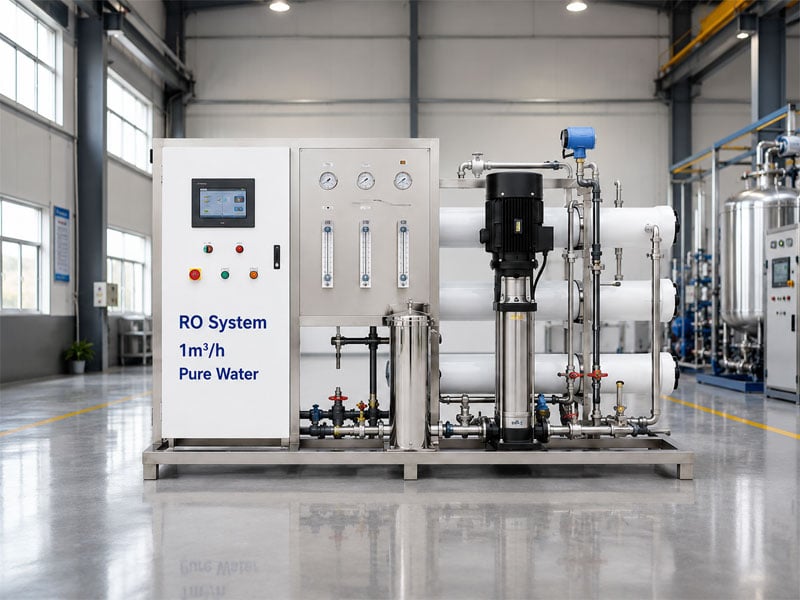
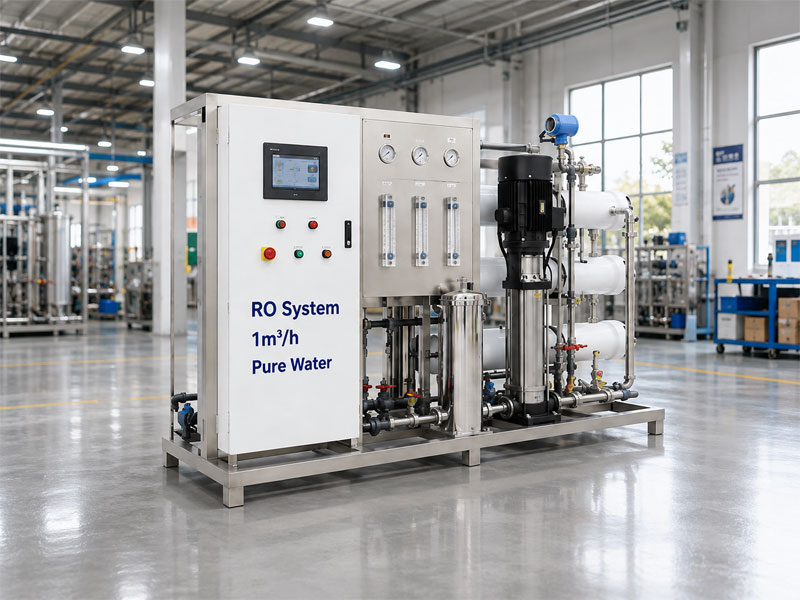
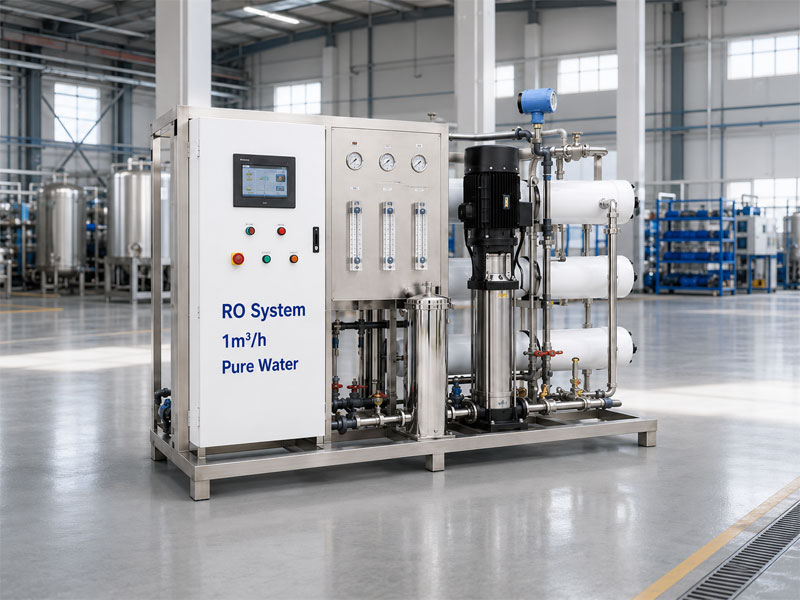
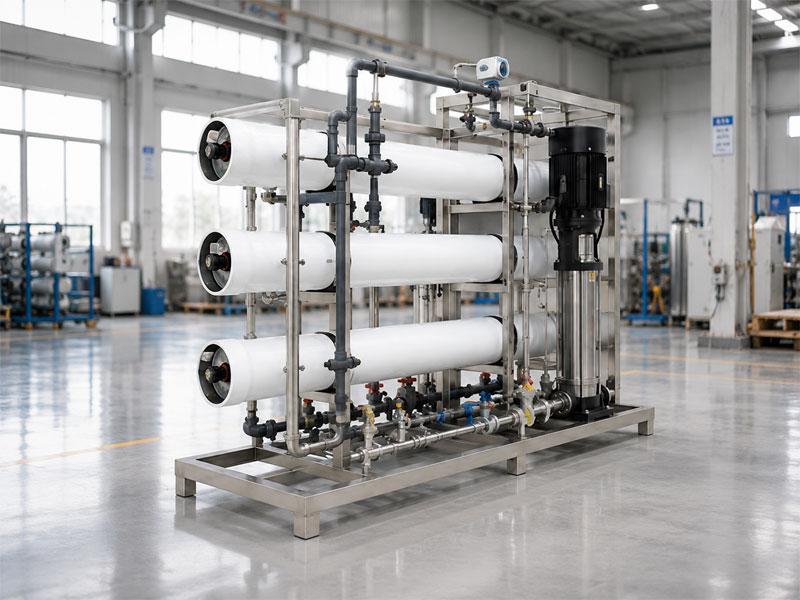
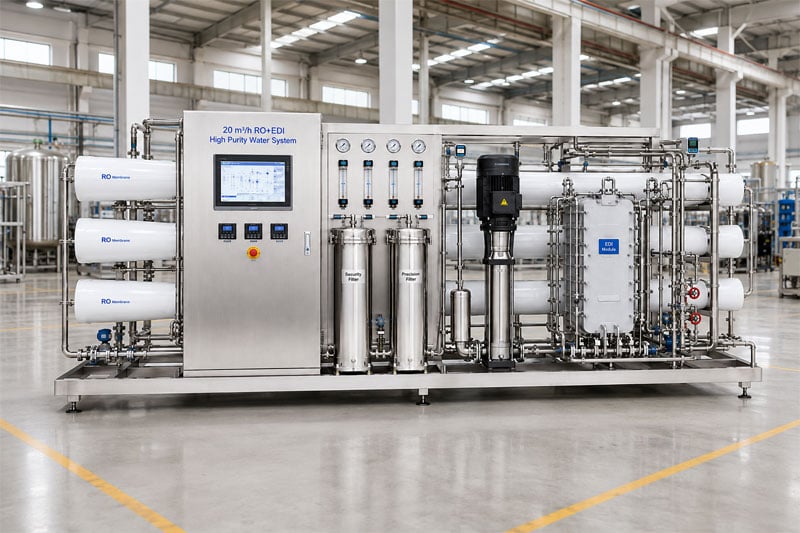
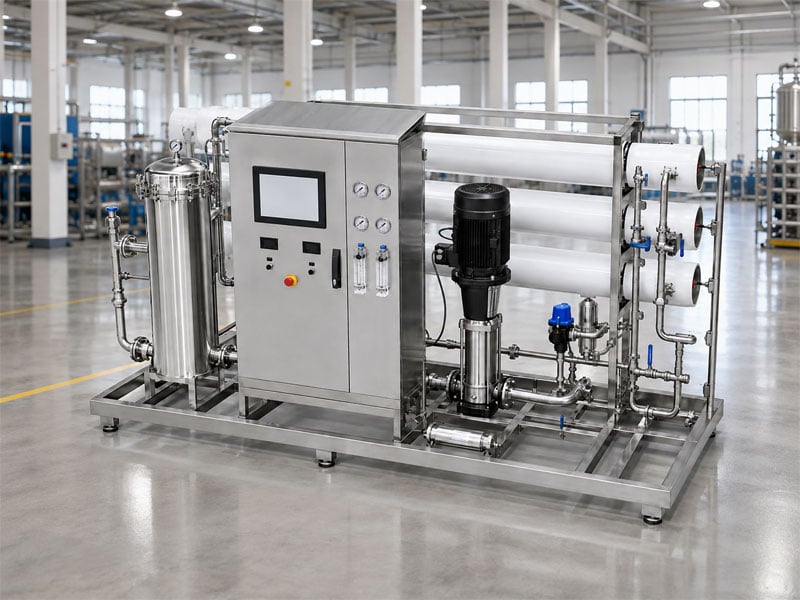
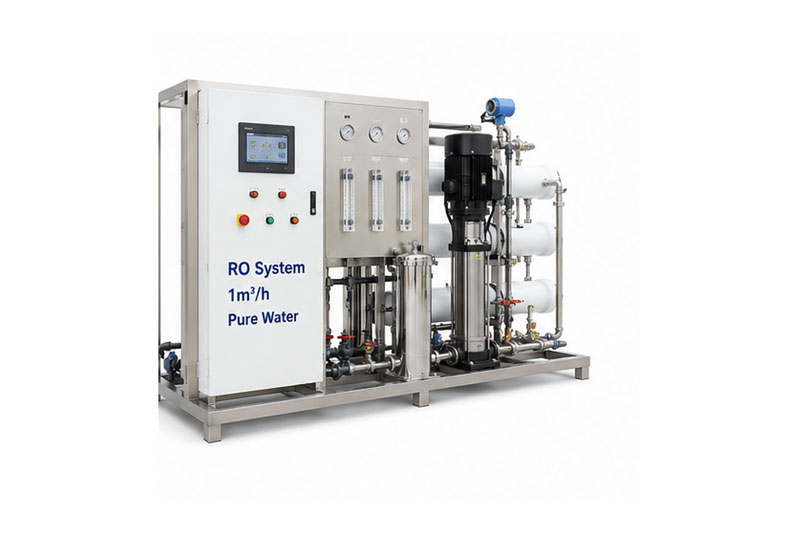
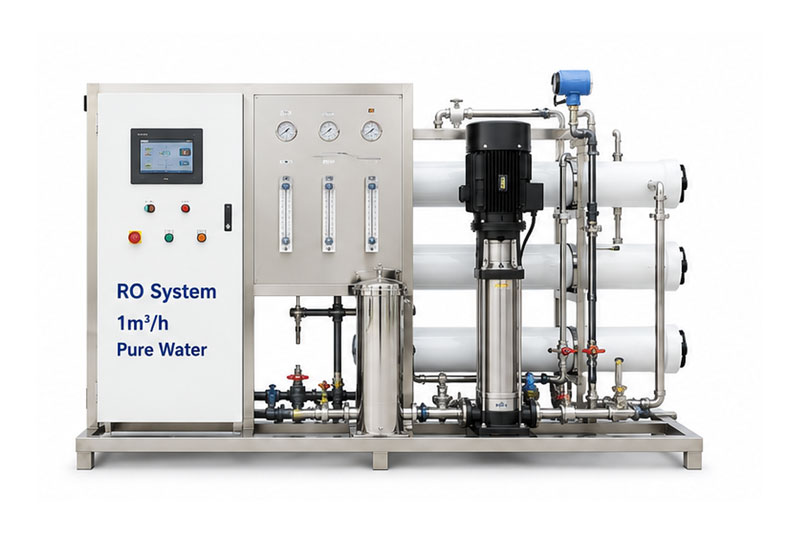
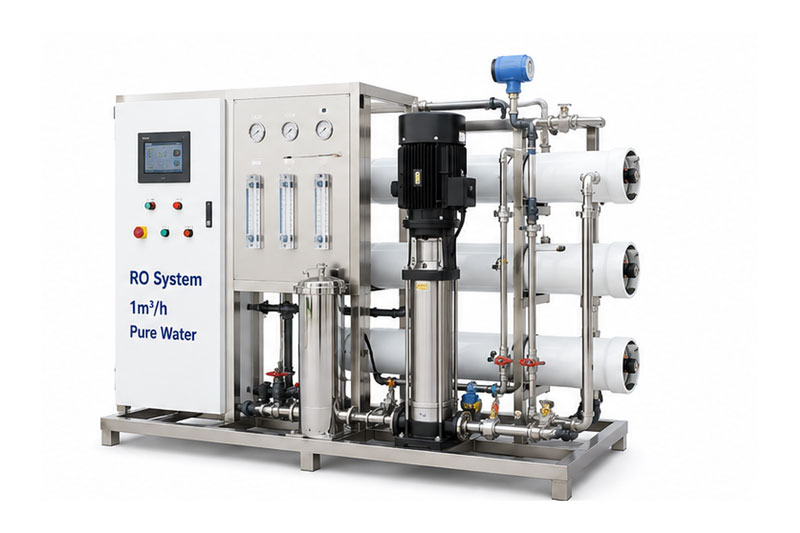
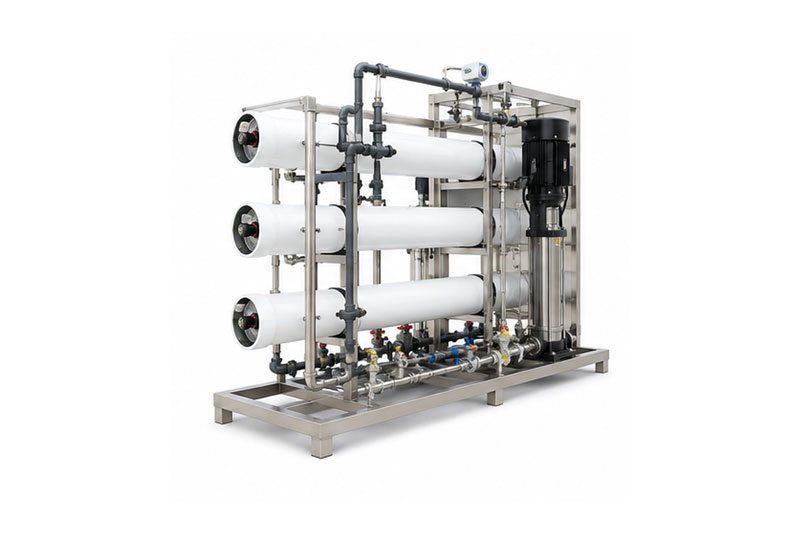
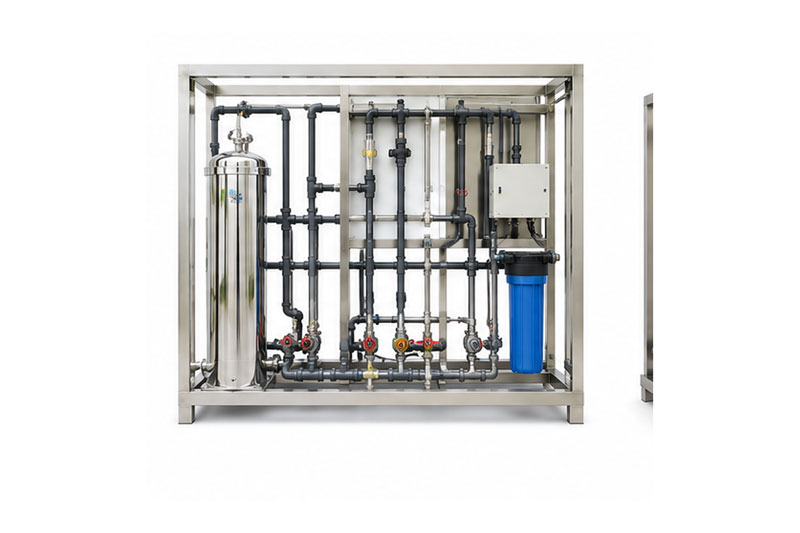
The 1 m³/h Industrial RO Pure Water System is built for small-scale industrial and commercial users that need stable purified water with controlled dissolved salts, hardness, and other ionic contaminants. As a compact industrial RO system, it combines pretreatment, cartridge filtration, high-pressure pumping, and reverse osmosis membrane separation in one practical skid-mounted layout. For buyers comparing a pure water system with a smaller RO water purifier platform, this model offers a balanced combination of automation, flexibility, and operating convenience.
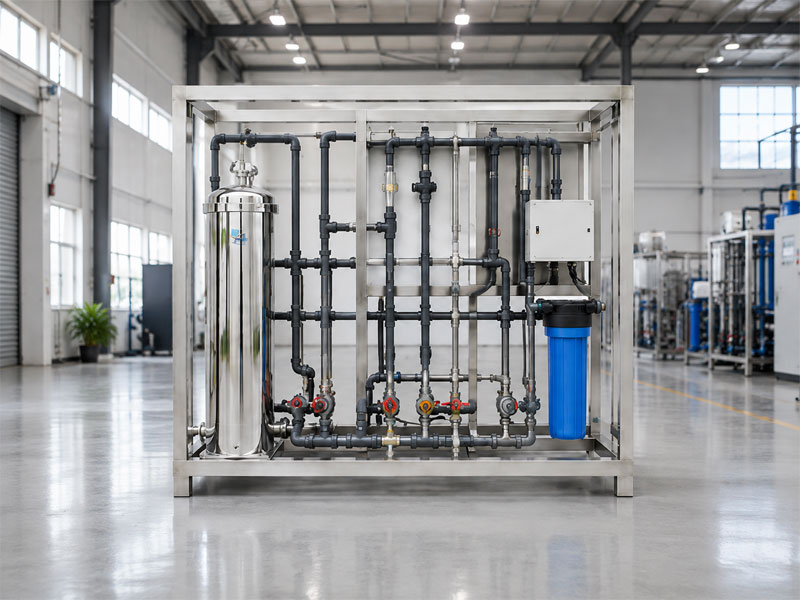
This 1 m³/h Industrial RO Pure Water System is often selected where water demand is not large enough to justify a complex plant, but product-water consistency is still essential. The design can be adapted to municipal water, groundwater, or project-specific feed water, and the pretreatment package can be matched to the actual water analysis. In many projects, the industrial RO system is configured with multimedia filtration, activated carbon filtration, water softening, antiscalant dosing, UV sterilization, or polishing treatment, depending on the final application.
The compact skid-mounted structure helps simplify transport, positioning, and commissioning. A pure water system of this size is especially attractive for laboratories, workshops, and small production lines that need reliable output without excessive operator attention. The industrial RO system can be supplied with manual control, automatic operation, or PLC-based control, and online conductivity monitoring is available for users who want better visibility of water quality during daily operation. For procurement teams, the 1 m³/h Industrial RO Pure Water System is a practical specification point because it is easy to size, easy to install, and easy to integrate into existing utility rooms.
In this pure water system, the pretreatment section protects the RO membrane from common fouling factors such as suspended solids, chlorine, and hardness-related scaling. The standard cartridge filter adds a further layer of protection before the high-pressure section. That makes the industrial RO system suitable for buyers who want stable operation with low intervention and straightforward maintenance. When the feed water is more challenging, the RO water purifier can be upgraded with a softener, pH adjustment, booster pump, or antiscalant dosing to help support more consistent operation and longer membrane service life.
How It Works
Step 1 — Feed water pretreatment: raw water enters the pretreatment section of the pure water system, where suspended solids and other factors that may affect membrane performance are reduced. Step 2 — Cartridge filtration: the RO water purifier then uses precision filtration to provide additional protection before pressurization. Step 3 — High-pressure pumping: the industrial RO system increases feed pressure to the level required for reverse osmosis. Step 4 — Membrane separation: water passes through the semi-permeable RO membrane while most dissolved salts and ionic contaminants are rejected. Step 5 — Product water collection: the purified water is collected in a tank or sent directly to the downstream process.
For many buyers, the key value of the 1 m³/h Industrial RO Pure Water System is not only the nominal flow rate, but also the flexibility of the overall configuration. A single-stage or double-stage arrangement can be considered based on water quality targets, and a product-water tank can be added when buffer storage is required. The industrial RO system can also include UV sterilization or ozone sterilization where microbial control is part of the application. This makes the pure water system suitable for process water use, support utility use, or final water preparation where a compact RO water purifier is preferred over a larger centralized plant.
Typical application scenarios include laboratories, small electronics factories, food processing, beverage preparation, chemical laboratories, small pharmaceutical support systems, parts cleaning, surface treatment, small boiler feed-water systems, and general industrial process water. In each case, the RO water purifier supports a cleaner and more consistent water supply than untreated feed water. The industrial RO system is also a useful option for facilities that need a dependable pure water system with moderate capacity and a simple operating footprint. For end users, that usually means easier daily control, clearer maintenance routines, and less disruption to production.
Maintenance is designed to remain manageable. The cartridge filter is straightforward to service, and membrane replacement can be planned based on monitoring results, feed-water condition, and cleaning practice. An optional CIP cleaning system can be added when periodic membrane cleaning is needed to help preserve performance. The industrial RO system can also be equipped with different membrane brands, different pump brands, local voltage and electrical standards, stainless steel piping, remote monitoring, and other project-specific options. This level of customization makes the pure water system easier to match to local installation conditions and the buyer’s preferred operating style.
Key Features
- Compact skid-mounted design
- 1 m³/h nominal product-water capacity
- High salt rejection
- Automatic RO operation
- PLC control optional
- Online conductivity monitoring
- Low operating intervention
- Pretreatment configuration available
- Easy maintenance and membrane replacement
- Suitable for small industrial production lines
Typical Applications
- Laboratories
- Small electronics factories
- Food processing
- Beverage preparation
- Chemical laboratories
- Small pharmaceutical support systems
- Parts cleaning
- Surface treatment
- Small boiler feed‑water systems
- General industrial process water
Reference Technical Parameters
| Parameter |
Reference Specification |
| Product Water Flow |
1 m³/h |
| Treatment Process |
Pretreatment + RO |
| RO Rejection Rate |
Up to approx. 98–99% |
| Typical Recovery Rate |
Approx. 50–75% |
| Feed Water |
Municipal water / groundwater / project‑specific |
| RO Stages |
Single‑stage / double‑stage optional |
| Pretreatment |
MMF / ACF / softener optional |
| Cartridge Filter |
Standard configuration |
| High‑Pressure Pump |
Industrial‑grade |
| Conductivity Monitoring |
Available |
| Control |
Manual / automatic / PLC optional |
| CIP Cleaning System |
Optional |
| UV Sterilization |
Optional |
| Installation |
Skid‑mounted |
| Product Water Tank |
Optional |
Actual rejection and recovery depend on feed‑water TDS, temperature, pressure, membrane type and system design.
How It Works
Step 1 — Feed‑Water Pretreatment
Raw water passes through pretreatment equipment to reduce suspended solids, chlorine, hardness or other contaminants that may affect RO membrane performance.
Step 2 — Cartridge Filtration
A precision cartridge filter provides additional protection before the high‑pressure RO section.
Step 3 — High‑Pressure Pumping
The feed‑water pressure is increased to the operating pressure required for reverse osmosis separation.
Step 4 — Reverse Osmosis Separation
Water passes through semi‑permeable RO membranes while a large portion of dissolved salts and ionic contaminants are rejected.
Step 5 — Product Water Collection
Purified water is collected in a storage tank or supplied directly to the downstream process.
Customization Options
- Multimedia filter
- Activated carbon filter
- Water softener
- Antiscalant dosing
- pH adjustment
- Single‑stage RO
- Double‑stage RO
- Stainless steel piping
- UV sterilization
- Ozone sterilization
- Product‑water storage tank
- Booster pump
- CIP cleaning system
- Online conductivity meter
- PLC/HMI control
- Remote monitoring
- Different membrane brands
- Different pump brands
- Local voltage and electrical standards
Why Choose This Model?
The 1 m³/h RO system is suitable for applications where the required water demand is relatively small but product‑water stability is still important.
Its compact footprint and flexible pretreatment options make it a practical entry‑level industrial RO solution for laboratories, workshops and small production facilities.
FAQ
What type of feed water can this system treat?
It can typically be configured for municipal water, groundwater and other relatively low‑to‑medium salinity feed‑water sources. A water analysis is recommended before final system selection.
What is the expected RO salt rejection?
Typical industrial RO membranes can provide high salt rejection, but actual system performance depends on feed‑water quality, membrane selection, operating pressure and temperature.
Can this system produce drinking water?
The system can be configured for drinking‑water applications when the materials, disinfection process and final product‑water quality meet applicable local requirements.
Can I add a UV sterilizer?
Yes. UV sterilization can be installed after the RO section where microbial control is required.
How often should RO membranes be replaced?
Membrane service life depends on feed‑water quality, pretreatment effectiveness, operating conditions and cleaning practices. Regular monitoring helps determine when cleaning or replacement is required.
What information is required for a quotation?
Please provide feed‑water analysis, required product‑water flow, target conductivity or TDS, operating hours, application and project location.
Recommended CTA
Need a compact RO system for your process water?
Send us your feed‑water analysis, required flow rate and target water quality. Our engineers can recommend the appropriate pretreatment and RO configuration.
CTA Button: Get 1 m³/h RO System Proposal

 EN