50-mday-industrial-wastewater-treatment-plant, 50-mday-industrial-wastewater-treatment-plant, /wastewater-treatment-systems
EN
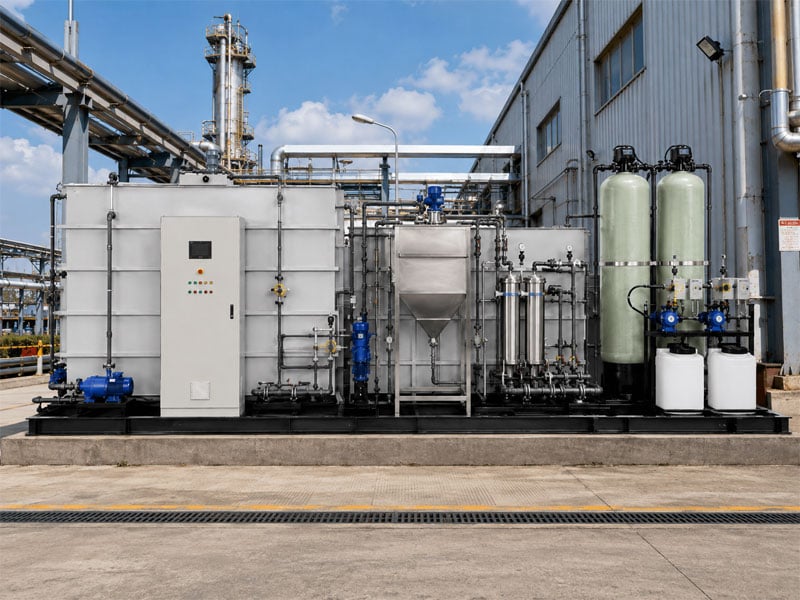
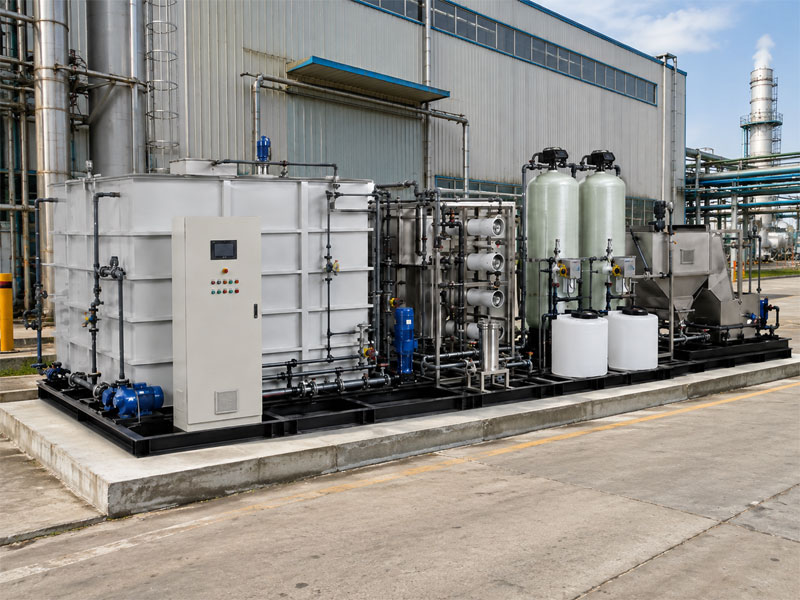
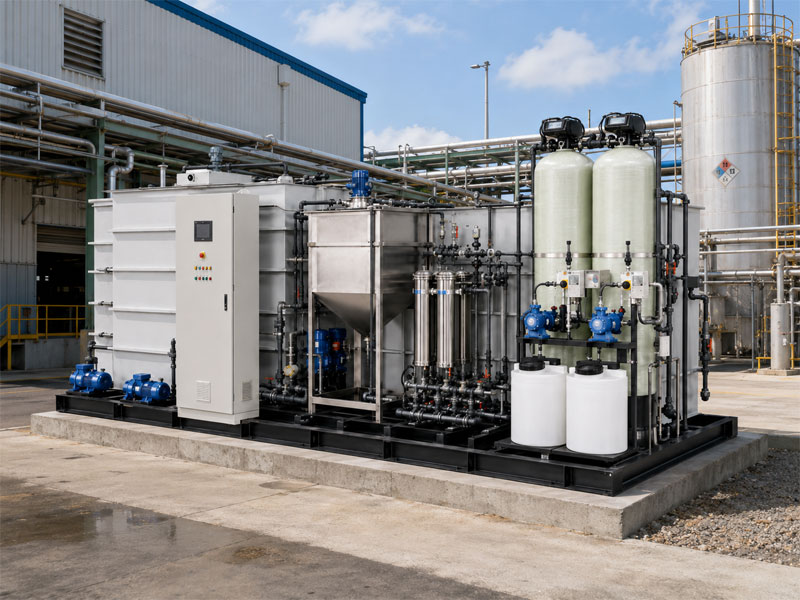
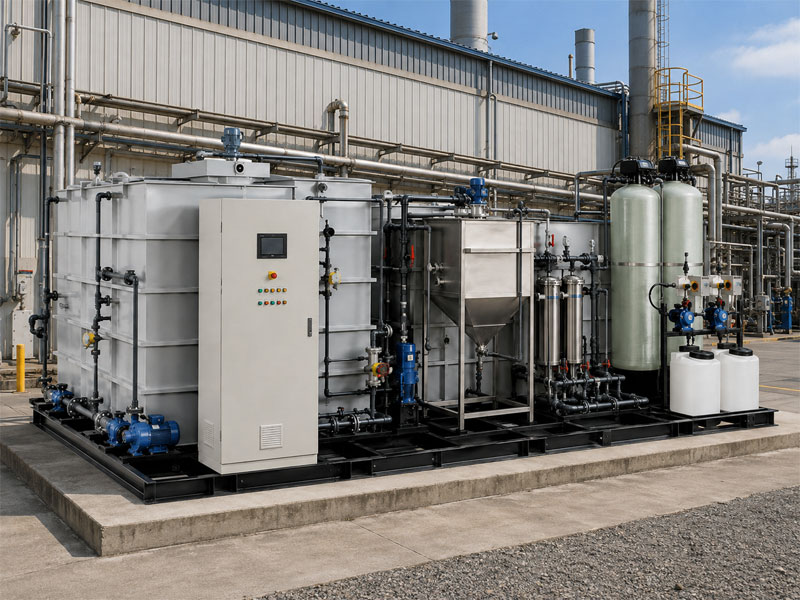
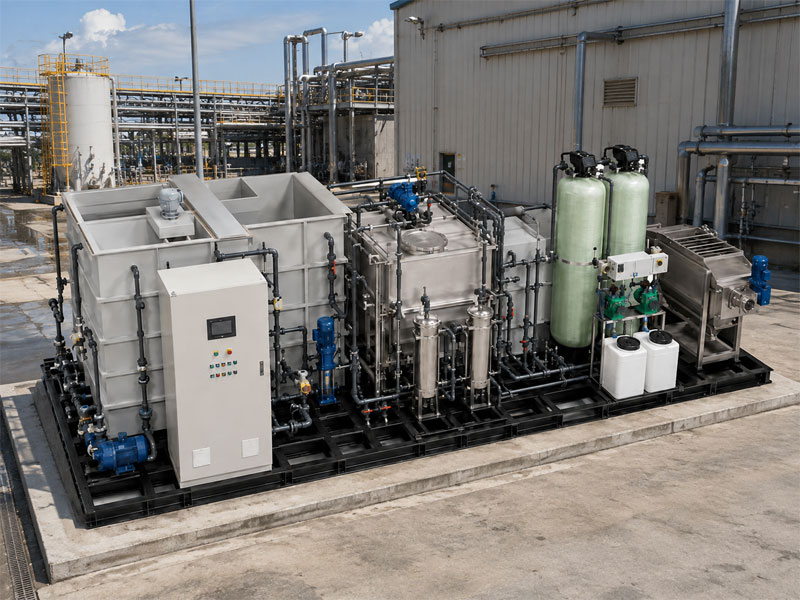
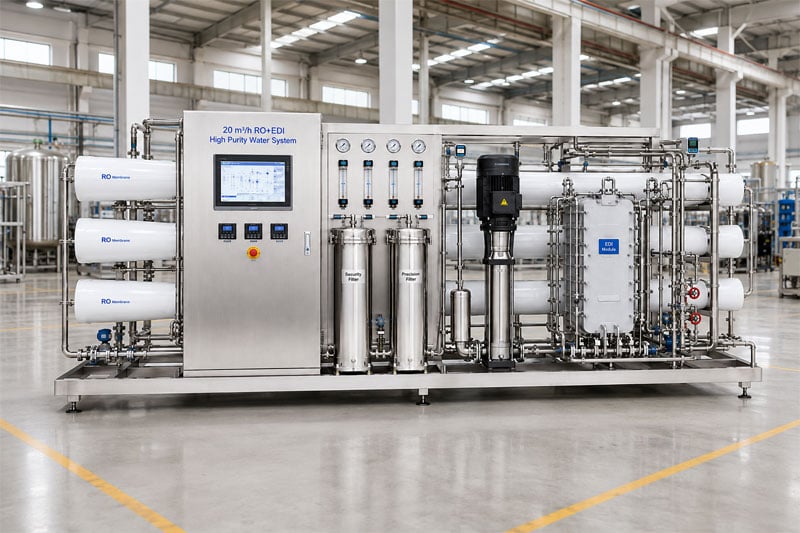
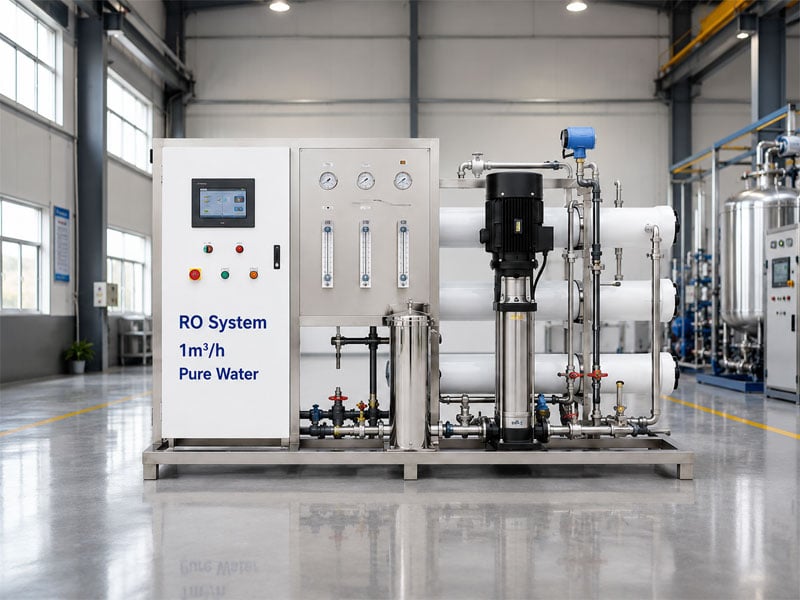
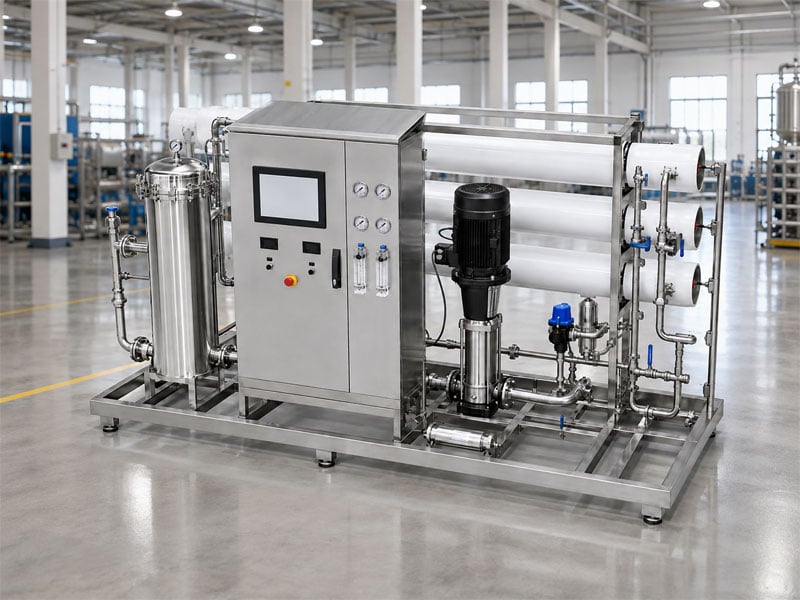
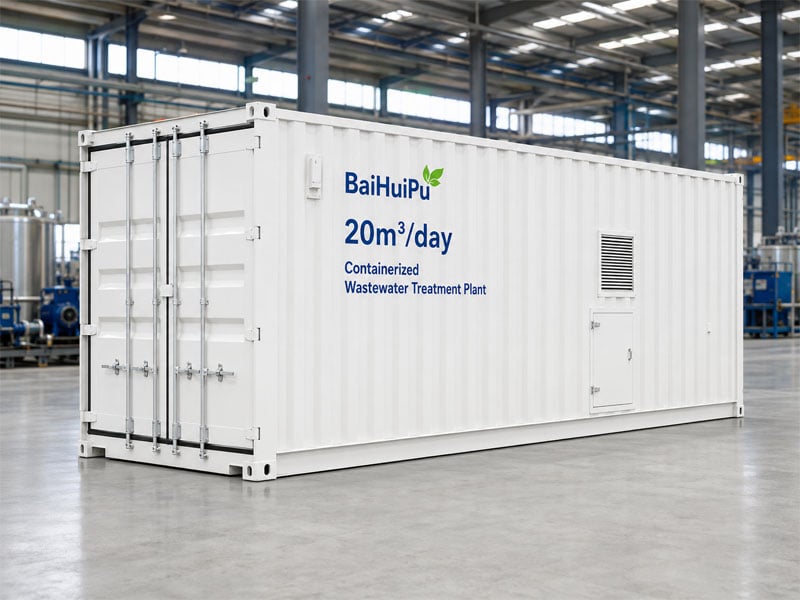
50 m³/day industrial wastewater treatment plant, custom physicochemical/biological process, PLC-controlled, for battery, electronics, and food manufacturing.
The 50 m³day Industrial Wastewater Treatment Plant is built for manufacturing facilities that need a wastewater treatment system designed around real process conditions rather than a fixed domestic layout. In industrial wastewater treatment, the influent quality often changes with production schedules, raw materials, rinsing cycles, and cleaning methods, so a standard wastewater treatment system is rarely enough. This industrial wastewater treatment plant is therefore configured after wastewater analysis, allowing the treatment process to match the pollutant profile, flow pattern, and discharge or reuse target of each project. For many buyers, the main value is flexibility: one industrial effluent treatment line can be arranged to handle physicochemical separation, biological reduction, filtration, sludge handling, and water reuse in a single coordinated wastewater treatment system.
Because industrial wastewater composition can vary significantly between factories, this industrial wastewater treatment plant is not based on one fixed route. A battery workshop, an electronics plant, a food facility, and a metal-processing line may all require a different industrial effluent treatment approach even when the daily volume is similar. The 50 m³day Industrial Wastewater Treatment Plant can be planned from the wastewater source, daily and peak flow, COD and BOD, pH, suspended solids, oil and grease, ammonia nitrogen, total nitrogen, phosphorus, heavy metals, salinity, and the required outlet quality. That project-specific approach helps the wastewater treatment system stay practical for procurement, installation, and later operation, while keeping the industrial effluent treatment design aligned with the actual water challenge.
Depending on the contaminants and treatment objectives, this industrial wastewater treatment plant can combine pretreatment, chemical adjustment, biological treatment, solid-liquid separation, polishing filtration, membrane treatment, sludge treatment, and water reuse. In a typical industrial effluent treatment scheme, collection and equalization stabilize the flow, pH adjustment supports downstream reaction, and coagulation or flocculation helps remove difficult suspended matter. Sedimentation and clarification then separate solids, while AO, MBBR, or a customized biological stage can be selected for the wastewater treatment system when biodegradable load must be reduced. If the project needs stricter effluent quality or reuse water, the industrial wastewater treatment plant can add UF and RO modules after the main treatment line. This staged design makes the wastewater treatment system adaptable without forcing the buyer to accept an oversimplified industrial effluent treatment process.
Operationally, the 50 m³day Industrial Wastewater Treatment Plant is designed for stable control and easier management. Automatic chemical dosing can be arranged for pH control, coagulation, and flocculation, while PLC/HMI process control supports monitoring and coordinated operation across pumps, tanks, reactors, and dosing points. For plants where operators need clearer day-to-day management, this wastewater treatment system offers a structured control approach that helps keep the industrial effluent treatment process consistent. Optional online monitoring can include COD, pH, and conductivity, and remote SCADA integration can be added when the factory wants centralized supervision. In practice, that means the industrial wastewater treatment plant can respond to changing influent conditions more predictably, which is important for industrial wastewater treatment projects where water quality can fluctuate from batch to batch.
Sludge management is also part of the overall wastewater treatment system design. Many industrial effluent treatment projects generate sludge after chemical separation, clarification, or biological treatment, so the plant can be arranged with sludge thickening and filter press or other dewatering options according to the project need. If the buyer plans water reuse, the industrial wastewater treatment plant can be extended with UF or RO and a reuse water tank to support recirculation in non-potable applications. That is one reason the 50 m³day Industrial Wastewater Treatment Plant is often selected for projects that want to reduce fresh water demand as well as treat discharge. By combining treatment, sludge handling, and reuse in one wastewater treatment system, the industrial effluent treatment line can support both environmental management and resource recovery.
Typical applications for this industrial wastewater treatment plant include lithium battery manufacturing, new-energy material production, food and beverage plants, electronics factories, metal processing, electroplating pretreatment, chemical manufacturing, machinery factories, surface treatment, and industrial park wastewater. These industries often need industrial effluent treatment because the wastewater may contain suspended solids, organic load, oil, salts, metals, or process additives that cannot be handled by a simple discharge tank. The 50 m³day Industrial Wastewater Treatment Plant is especially useful when the buyer needs a wastewater treatment system that can be expanded later. Modular tanks, reactors, pumps, and membrane units can be planned with future capacity in mind, so the industrial effluent treatment plant can grow with production instead of being replaced too early.
Customization is a major advantage of this industrial wastewater treatment plant. Depending on site conditions, the wastewater treatment system may include oil-water separation, dissolved air flotation, heavy metal precipitation, pH neutralization, advanced oxidation, activated carbon, AO or MBBR biology, UF membrane treatment, reverse osmosis, and sludge filter press options. This makes the industrial effluent treatment process more suitable for different influent types and target outlet standards. For example, a high-COD stream may need stronger physicochemical treatment before biological treatment, while a polishing stage may be enough for a more stable industrial wastewater treatment plant project. The goal is not to force every factory into the same wastewater treatment system, but to create an industrial effluent treatment line that reflects the real wastewater characteristics and the buyer’s discharge or reuse objectives.
Industrial wastewater is different for every factory, so a reliable wastewater treatment system should be built around testing data, discharge goals, and operating reality. The 50 m³day Industrial Wastewater Treatment Plant is intended to answer that need with a custom industrial effluent treatment approach that can include multiple stages and optional reuse features. Whether the project is for industrial wastewater treatment, strict discharge control, or water recovery, this industrial wastewater treatment plant gives engineers a practical basis for process design. Send us your wastewater analysis and target discharge or reuse standard, and our engineers can develop an industrial effluent treatment solution based on your actual wastewater conditions.
| Parameter | Reference Specification |
|---|---|
| Treatment Capacity | 50 m³/day |
| Wastewater Type | Industrial / project‑specific |
| COD Removal | Process‑dependent |
| BOD Removal | Process‑dependent |
| Suspended Solids Removal | Available |
| pH Adjustment | Optional / recommended when required |
| Coagulation/Flocculation | Optional |
| Biological Treatment | AO / MBBR / customized |
| Sludge Treatment | Filter press / dewatering optional |
| Tertiary Filtration | Optional |
| Water Reuse | UF / RO optional |
| Automation | PLC/HMI |
A typical industrial configuration may include:
Collection → Equalization → pH Adjustment → Coagulation/Flocculation → Sedimentation → Biological Treatment → Clarification → Filtration → Disinfection → Discharge
For water‑reuse projects:
Treated Wastewater → UF → RO → Reuse Water Tank
Actual process selection must be based on wastewater characteristics.
Wastewater from two factories with similar production capacity can have completely different pollutant profiles.
For this reason, treatment capacity alone is not sufficient for equipment selection.
A reliable proposal should consider:
What industries can this plant serve?
The system can be engineered for battery, electronics, food, chemical, metal‑processing and other industrial wastewater applications.
Can you guarantee the outlet water quality?
Performance targets should be confirmed after reviewing wastewater analysis and required discharge standards. Where necessary, laboratory or pilot testing may be recommended.
Can the plant include RO water reuse?
Yes. Biological and physicochemical treatment can be followed by UF/RO systems where treated wastewater reuse is required.
How do you handle high COD wastewater?
The treatment approach depends on COD composition and biodegradability. Physicochemical treatment, biological treatment, oxidation or concentration processes may be combined.
What happens to generated sludge?
Sludge can be thickened and dewatered using equipment such as filter presses. Final disposal depends on sludge characteristics and local regulations.
Can the system be expanded?
Yes. Pumps, tanks, biological reactors and membrane systems can be designed with future expansion in mind.
Industrial wastewater is different for every factory.
Send us your wastewater analysis and target discharge or reuse standard. Our engineers can develop a treatment process based on your actual wastewater conditions.
CTA Button: Send Water Analysis for Evaluation
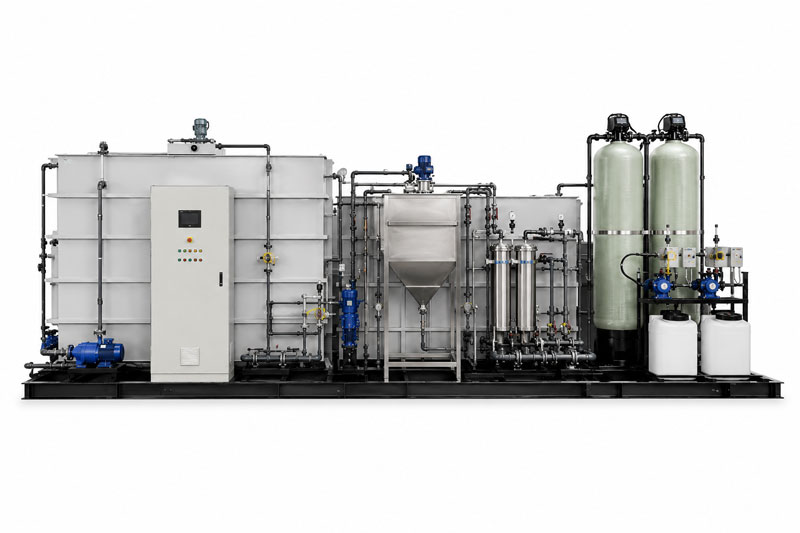
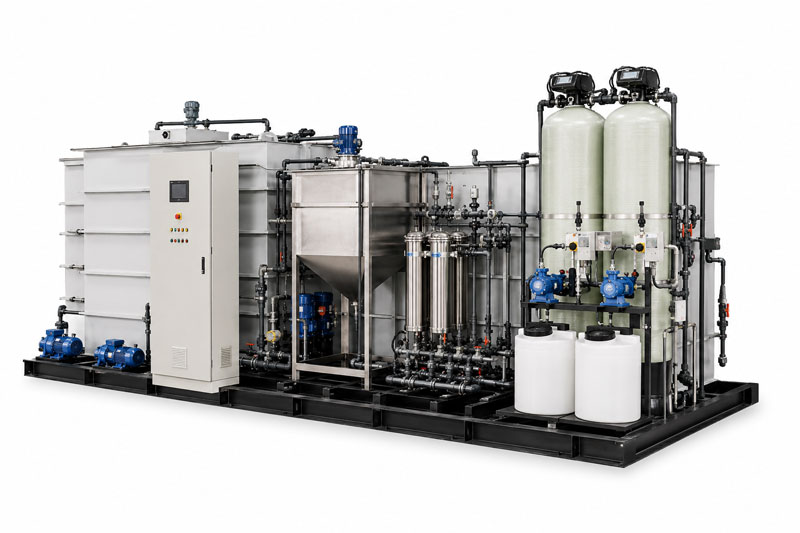
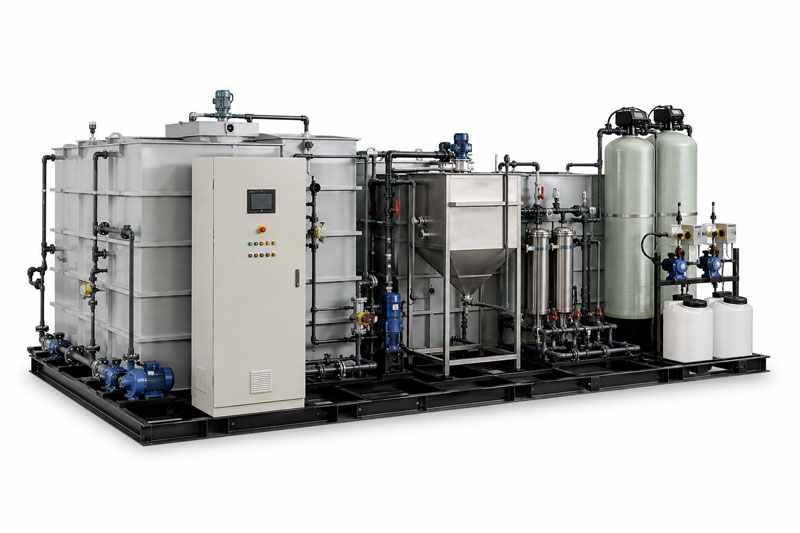
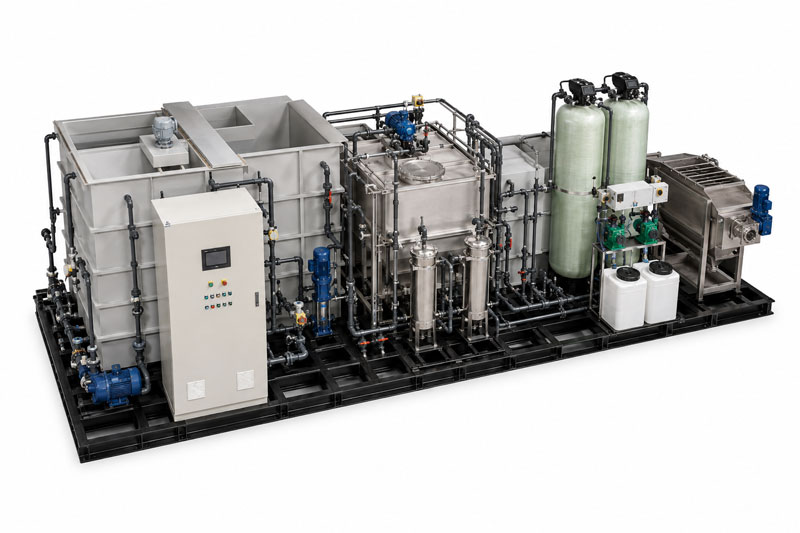
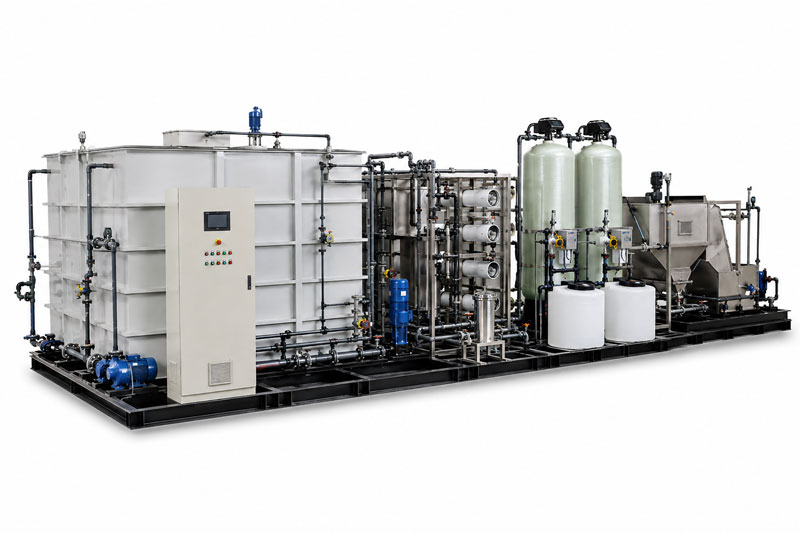
50 m³/day industrial wastewater treatment plant, custom physicochemical/biological process, PLC-controlled, for battery, electronics, and food manufacturing.

 EN