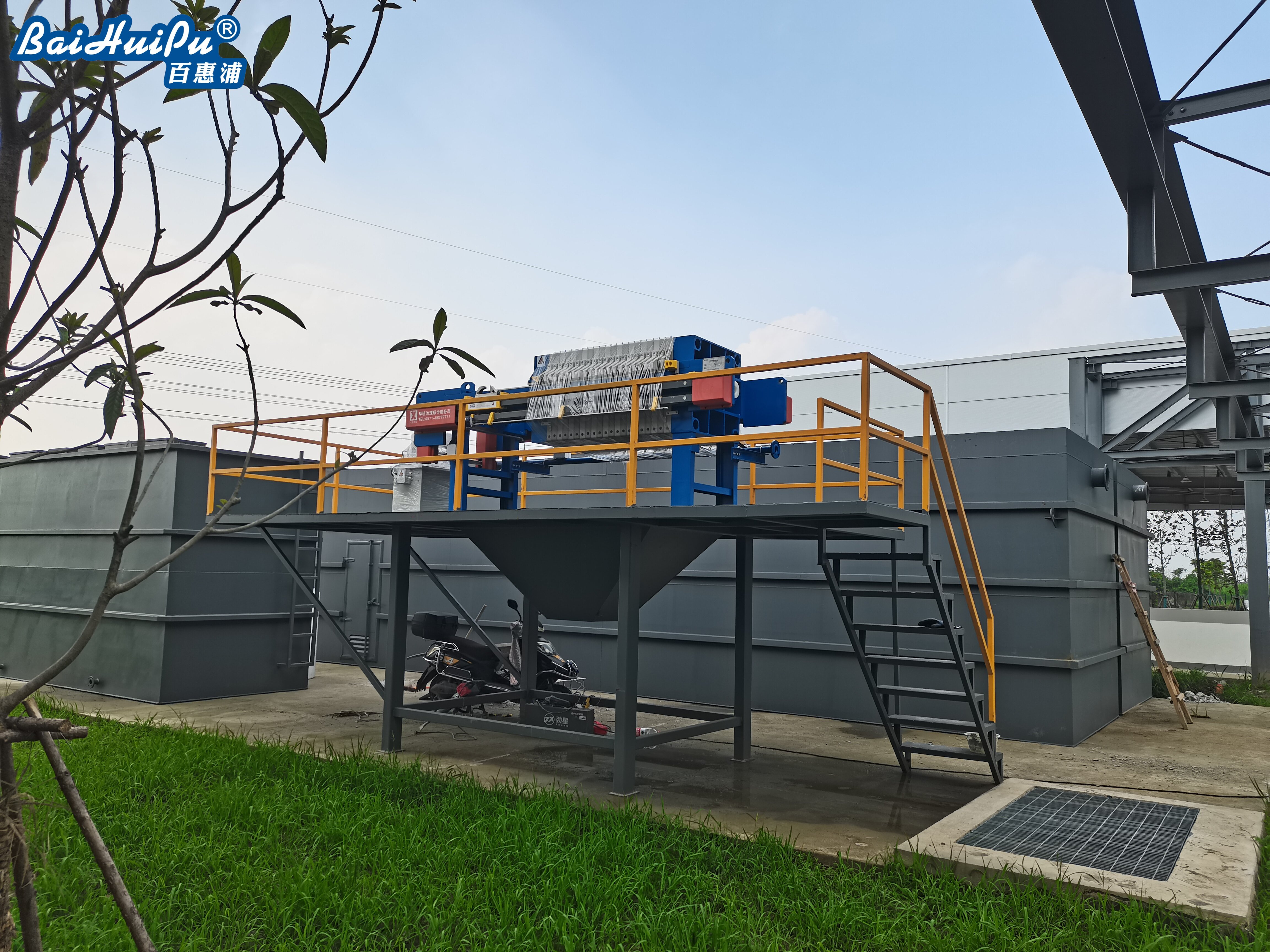
1. Wastewater Sources, Typical Pollutants & Water Characteristics
Wastewater from solar cell manufacturing is primarily generated during wafer cleaning, texturing, etching, diffusion, thin-film deposition, silver paste cleaning, and cleanroom washing processes. It can generally be classified into four categories: fluoride-containing wastewater, acidic and alkaline wastewater, organic cleaning wastewater, and high-salinity concentrate, representing the major sources of wastewater pollution in photovoltaic (PV) manufacturing.
The wastewater contains several characteristic pollutants unique to the PV industry. Major contaminants include high concentrations of fluoride, silicates, and nitrogen oxides, together with organic cleaning solvents such as isopropyl alcohol (IPA) and ethanol. The wastewater is predominantly acidic and exhibits significant pH fluctuations.
The texturing and etching processes generate large quantities of fluorosilicate compounds, resulting in elevated fluoride concentrations and high levels of suspended silica particles. Cleaning processes contribute low concentrations of organic contaminants, causing moderate COD fluctuations. Reverse osmosis concentrate and regeneration wastewater contain high levels of Total Dissolved Solids (TDS), making the overall wastewater highly variable in both quantity and quality while exhibiting a strong tendency for scaling.
Wastewater treatment systems must comply with applicable photovoltaic industry regulations and industrial wastewater discharge standards while meeting plant requirements for water reuse and Zero Liquid Discharge (ZLD).
2. Common Customer Challenges
The primary wastewater treatment challenges faced by solar cell manufacturers include unstable fluoride removal, severe scaling, and low water reuse efficiency.
Conventional lime precipitation processes often struggle to achieve stable fluoride removal under fluctuating wastewater conditions, increasing the risk of exceeding environmental discharge limits.
Silica, calcium, and magnesium ions readily form scale deposits on pipelines and membrane systems, resulting in membrane fouling, accelerated equipment wear, frequent shutdowns, and increased maintenance costs.
Solar cell manufacturing facilities consume large volumes of water, while conventional treatment systems generally achieve relatively low water recovery rates, leading to high freshwater consumption and wastewater discharge costs.
As production capacity continues to expand rapidly, traditional civil wastewater treatment facilities require large installation areas and are difficult to upgrade. In addition, treating acidic and alkaline wastewater together increases chemical consumption and hazardous sludge generation. Standardized treatment equipment often lacks the corrosion resistance and anti-scaling capability required for photovoltaic manufacturing, creating strong demand for specialized water-saving and anti-scaling wastewater treatment solutions.
3. Treatment Process & Core Equipment Configuration
To address the specific characteristics of photovoltaic wastewater, we employ a dedicated treatment process consisting of:
Segregated Collection & Pretreatment → Precision Fluoride & Silica Removal → Biological Treatment → Advanced Membrane Filtration → Concentrate Solidification
Acidic wastewater, alkaline wastewater, fluoride-containing wastewater, and organic wastewater are collected and equalized separately to minimize hydraulic and water quality fluctuations.
During pretreatment, precise pH adjustment, water softening, hardness removal, coagulation, and sedimentation effectively remove silicates, suspended solids, and the majority of fluoride ions.
Activated carbon adsorption and an energy-efficient biological treatment process are subsequently applied to remove residual organic contaminants.
The treated water then passes through an Ultrafiltration (UF) system followed by an anti-fouling Reverse Osmosis (RO) membrane system, producing high-quality reclaimed water suitable for wafer cleaning and workshop rinsing applications.
The remaining high-salinity concentrate is further concentrated and solidified for final disposal, maximizing water recovery while minimizing wastewater discharge.
Core equipment includes:
- Automatic acid and alkali neutralization systems
- High-efficiency composite fluoride removal reactors
- Silica removal and water softening systems
- Activated carbon adsorption units
- Anti-fouling reverse osmosis membrane systems
- Automatic chemical dosing systems
- Online water quality monitoring systems
4. Solution Advantages
Our solution is specifically designed for the photovoltaic manufacturing industry, utilizing segregated treatment technology to efficiently solve fluoride removal, silica removal, and scaling control challenges.
The system consistently achieves stable fluoride removal performance, ensuring compliance with environmental discharge regulations while minimizing operational risks.
We offer customized equipment solutions tailored to wastewater characteristics, treatment capacity, and available plant space. Equipment structures, anti-corrosion materials, anti-clog flow channels, and system configurations are optimized for the highly acidic, alkaline, and scaling-prone conditions encountered in photovoltaic manufacturing.
All core mechanical equipment, electrical control systems, and water treatment components are certified to CE, UL, and ISO standards, fully complying with European Machinery Directives and North American electrical safety requirements, ensuring reliable operation and international project compliance.
The integrated softening and hardness removal process significantly reduces membrane scaling, extending membrane service life by approximately 40% while lowering maintenance costs.
The system achieves an overall water reuse rate of up to 95%, making it particularly suitable for the high water demand of photovoltaic manufacturing facilities and substantially reducing freshwater consumption.
Its modular integrated design minimizes installation space requirements, shortens installation time, and enables flexible future expansion as production capacity increases.
Fully automated intelligent operation minimizes manual intervention while delivering stable performance, lower energy consumption, and complete compliance documentation for environmental inspections and project acceptance.
5. Project References & Supporting Documentation
We have successfully completed wastewater treatment projects for numerous leading photovoltaic cell and silicon wafer manufacturers.
A representative project is a 10 GW Solar Cell Manufacturing Wastewater Treatment & Water Reuse Project, with a treatment capacity of 1,200 m³/day.
The system consistently achieves wastewater recycling for production reuse, saving more than 300,000 m³ of freshwater annually, while effectively eliminating equipment scaling and ensuring stable fluoride compliance. The project successfully passed environmental acceptance inspection on the first submission.
Supporting documentation includes:
- Proprietary fluoride removal process patents
- CE, UL, and ISO certifications
- Third-party accredited water quality testing reports
- Project completion and acceptance documentation
- Performance references from multiple benchmark industrial projects
6. Service Scope & Cooperation Process
We provide comprehensive EPC turnkey wastewater treatment solutions for the photovoltaic industry, covering site investigation, wastewater sampling and analysis, customized process design, non-standard equipment manufacturing, installation, commissioning, operation and maintenance services, system upgrades, and lifetime consumables supply.
Standard Cooperation Process
- Site Survey & Water Sampling – Conduct on-site investigation, wastewater sampling, and comprehensive water quality analysis.
- Customized Solution Design – Develop a tailored treatment process, engineering proposal, and detailed commercial quotation.
- Equipment Manufacturing & Construction – Begin customized equipment fabrication and on-site construction following contract confirmation.
- Installation & Commissioning – Complete system installation, commissioning, and trial operation until all performance requirements are achieved.
- Project Acceptance & Training – Assist with environmental compliance acceptance and provide professional operator training.
- Long-term Technical Support – Deliver lifetime inspection services, preventive maintenance, equipment upgrades, system optimization, and ongoing technical support.

 EN