
smt-electronics-manufacturing-wastewater-treatment-industry-solution, smt-electronics-manufacturing-wastewater-treatment-industry-solution, /solutions
EN
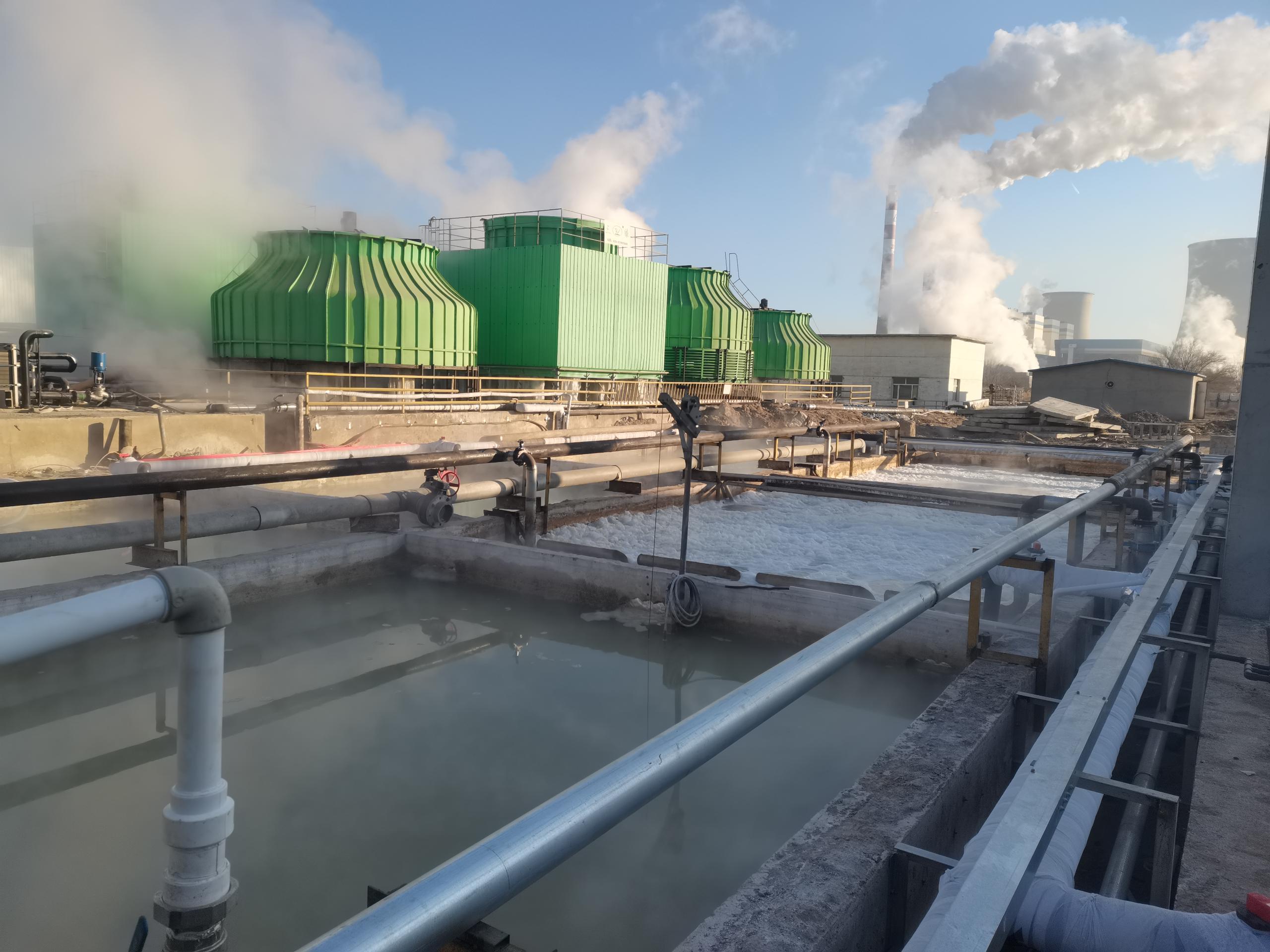
SMT (Surface Mount Technology) electronics manufacturing wastewater is primarily generated during pre-solder PCB cleaning, flux spraying, SMT cleaning, reflow soldering cooling, SPI/AOI equipment cleaning, cleanroom washing, and process waste liquid discharge. It is a typical industrial wastewater in the electronics assembly industry characterized by low heavy metal content, high organic loading, and high surfactant concentration.
Typical contaminants include flux residues, rosin resins, surfactants, organic solvents, trace amounts of tin and lead, suspended fine particles, and dissolved acids, alkalis, and salts.
Compared with PCB manufacturing wastewater, SMT wastewater contains significantly lower concentrations of heavy metals but much higher levels of organic compounds and foaming agents. Wastewater quality and flow fluctuate with production shifts, while excessive foaming, unstable COD, and moderate biodegradability present additional treatment challenges. Although its pollution intensity is relatively lower, the wastewater contains finely dispersed emulsified contaminants that are difficult to remove using conventional treatment methods, particularly where high-quality water reuse standards are required.
SMT production combines continuous and intermittent manufacturing processes, resulting in highly variable wastewater discharge. Flux residues and rosin compounds frequently cause intermittent COD exceedances, making environmental compliance difficult to maintain.
The high concentration of surfactants generates persistent foam during treatment, interfering with sedimentation and filtration processes and reducing overall treatment efficiency.
Fine suspended particles and emulsified organic compounds readily adhere to pipelines, filter cartridges, and membrane elements, leading to frequent equipment fouling, increased maintenance requirements, and higher consumable costs.
Conventional standardized treatment systems generally lack effective defoaming, demulsification, and anti-fouling capabilities, making them unsuitable for the unique characteristics of SMT organic wastewater.
In addition, SMT manufacturing facilities typically feature compact cleanroom layouts with stringent cleanliness requirements. Traditional wastewater treatment facilities occupy excessive floor space, provide inadequate sealing, and increase the risk of secondary contamination. A compact, fully enclosed, customized treatment system is therefore essential for precision electronics manufacturing.
To address the characteristics of high surfactant concentrations, fluctuating organic loads, emulsification, and foaming, our solution adopts the following dedicated treatment process:
Segregated Collection → Defoaming & Demulsification → Conditioning & Coagulation → Advanced Oxidation → Precision Filtration → Advanced Water Reuse
Wastewater from different production areas is collected separately and equalized to minimize fluctuations caused by production shifts.
A dedicated demulsification and defoaming process effectively breaks stable emulsions, eliminates persistent foam, and removes colloidal rosin and flux residues.
Coagulation and sedimentation remove suspended solids and high-molecular-weight organic compounds, while an advanced oxidation process degrades refractory organic pollutants and stabilizes COD removal.
Finally, Ultrafiltration (UF) combined with anti-fouling Reverse Osmosis (RO) produces high-quality reclaimed water suitable for production line cleaning and cleanroom utility water applications.
This solution is specifically engineered for the operating conditions of SMT electronics assembly facilities, effectively addressing major industry challenges including persistent foaming, refractory emulsified organics, COD fluctuations, and membrane fouling.
The treated effluent consistently complies with both environmental discharge regulations and high-quality process water reuse requirements.
Customized non-standard equipment can be designed according to cleanroom requirements, available installation space, and production wastewater characteristics, including fully enclosed spill-proof structures, anti-foam flow channels, anti-clogging designs, and compact modular treatment units that eliminate secondary contamination while supporting clean manufacturing environments.
All core mechanical equipment, electrical control systems, and water treatment equipment are certified to CE and UL international standards, ensuring operational safety, reliability, and compliance with global electronics manufacturing specifications.
The system provides excellent resistance to hydraulic and contaminant shock loading, delivers outstanding defoaming and purification performance, significantly reduces maintenance costs and production downtime, and achieves water reuse rates exceeding 95%.
Its compact modular design minimizes installation space, enables fully automated operation, and provides flexible expansion to support continuous capacity growth and agile manufacturing.
We have extensive experience implementing wastewater treatment solutions for large SMT electronics industrial parks and precision electronics assembly facilities.
A representative reference project involved a wastewater treatment and water reuse system for an intelligent electronics assembly production line with a treatment capacity of 800 m³/day, designed to treat combined wastewater from flux cleaning and SMT assembly processes.
The system successfully resolved persistent issues including excessive foaming, unstable COD removal, and equipment fouling, while maintaining reliable continuous operation throughout the year and successfully passing environmental compliance inspections and cleanroom acceptance audits.
We provide comprehensive EPC (Engineering, Procurement & Construction) solutions for SMT electronics manufacturing wastewater treatment, including:

 EN