
palm-oil-mill-effluent-pome-treatment-industry-solution, palm-oil-mill-effluent-pome-treatment-industry-solution, /solutions
EN
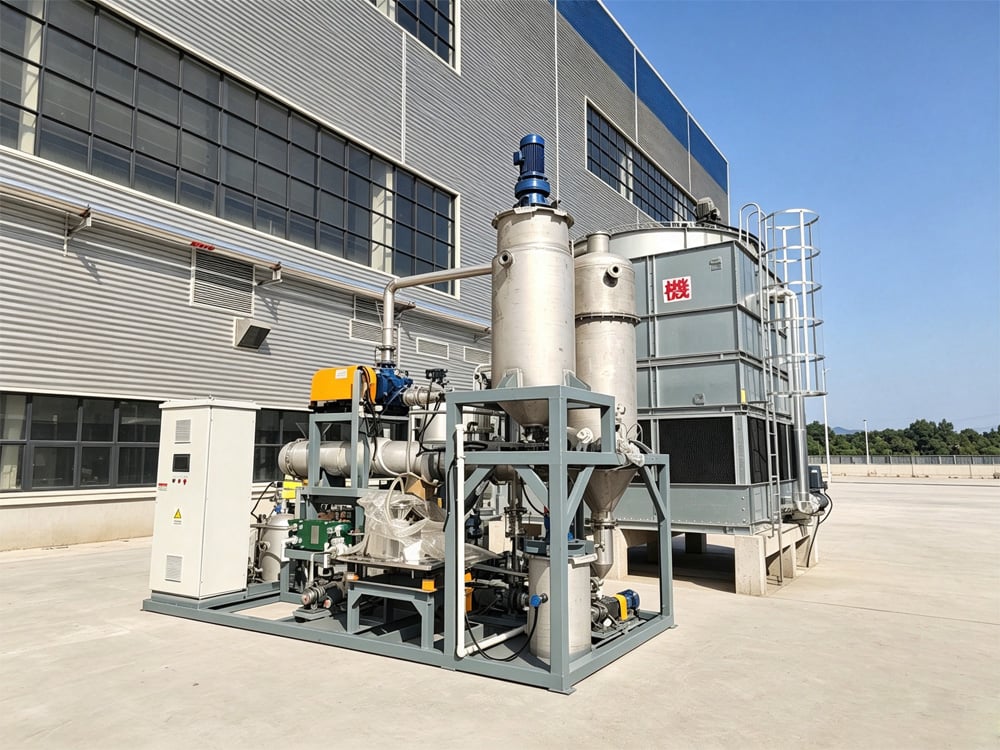
Palm Oil Mill Effluent (POME) is primarily generated during fresh fruit bunch (FFB) sterilization, oil pressing, fractionation, refining, degumming, alkali neutralization, bleaching, deodorization, equipment cleaning, and plant washdown operations. It is a typical high-strength industrial wastewater in the edible oil industry, characterized by high temperature, high organic loading, and high oil & grease content.
POME mainly consists of press liquor, refinery cleaning wastewater, and floor wash water. Typical pollutants include palm oil and grease, saponified oils, lignocellulosic fibers, carbohydrates, proteins, and colloidal organic matter, accompanied by extremely high concentrations of COD, BOD, suspended solids (SS), and ammonia nitrogen (NH₃-N).
POME possesses several unique characteristics. Wastewater temperatures typically range from 60–70°C (140–158°F) upon discharge, while the oil and grease are largely present in a stable emulsified form. Although highly biodegradable, POME carries an exceptionally high organic load. Wastewater quantity and quality fluctuate significantly during the palm fruit harvesting season, making it prone to acidification, odor generation, sludge accumulation, and operational instability. As a result, POME treatment is considerably more challenging than conventional oily wastewater generated by the food processing industry.
Palm oil production is characterized by seasonal harvesting and high-volume continuous processing, resulting in concentrated discharge of high-strength wastewater during peak production periods. Conventional biological treatment systems are often unable to withstand these shock loads, leading to excessive COD and oil & grease in the treated effluent.
The wastewater's high temperature and stable emulsified oil content make oil separation particularly difficult. Conventional sedimentation processes cannot effectively break oil emulsions, resulting in pipeline blockage, equipment fouling, biological media clogging, and increased maintenance costs.
Elevated wastewater temperatures also inhibit the activity of conventional microorganisms, causing unstable biomass, poor sludge settling, and reduced biological nitrogen removal efficiency.
Standard wastewater treatment equipment generally lacks adequate high-temperature resistance, anti-emulsification capability, and anti-clogging performance, making it unsuitable for demanding POME applications.
Furthermore, many palm oil mills are located in industrial estates or environmentally sensitive rural areas where strict environmental regulations apply. Traditional civil-engineered treatment systems occupy large areas and make odor collection difficult, creating the need for customized, compact, and highly stable treatment solutions capable of handling seasonal production fluctuations.
To address the characteristics of high-temperature, high oil content, high organic loading, and fluctuating wastewater flow, our solution utilizes the following dedicated treatment process:
Cooling & Conditioning → Emulsion Breaking & Oil Removal → Pretreatment & Sedimentation → Anaerobic Load Reduction → Aerobic Biological Treatment → Advanced Filtration & Water Reuse
The wastewater is first cooled using a cooling tower to achieve the optimum temperature for biological treatment.
Mechanical bar screens and sedimentation tanks remove fibrous materials and coarse suspended solids.
A high-efficiency Dissolved Air Flotation (DAF) system effectively breaks stable oil emulsions and removes emulsified oil, grease, and saponified compounds.
An equalization tank stabilizes hydraulic flow and pollutant loading before biological treatment.
A UASB (Upflow Anaerobic Sludge Blanket) reactor significantly reduces the high organic load while generating biogas for energy recovery.
The wastewater then enters an A/O biological treatment system, providing efficient removal of residual COD and ammonia nitrogen.
Finally, precision filtration ensures stable compliance with discharge regulations. Treated water can be reused for equipment cleaning, utility applications, and landscape irrigation where appropriate.
This solution is specifically engineered for the demanding conditions of Palm Oil Mill Effluent (POME) treatment, effectively overcoming major industry challenges including:
The system consistently produces effluent that complies with environmental discharge regulations while supporting industrial water reuse.
Customized equipment can be designed according to seasonal wastewater peaks, operating temperatures, corrosion conditions, and available site space, incorporating high-temperature-resistant corrosion-proof housings, anti-fouling hydraulic channels, and compact modular skid-mounted systems specifically developed for continuous palm oil production.
All core mechanical, electrical, and water treatment equipment is certified to CE, UL, and ISO standards, ensuring high reliability, operational safety, and compliance with international engineering requirements.
The anaerobic treatment process also enables biogas recovery for renewable energy utilization, reducing overall operating costs and improving energy efficiency.
Water reuse rates can exceed 90%, while the modular design enables flexible capacity expansion and fully automated operation to accommodate seasonal production variations.
We have successfully completed multiple Palm Oil Mill Effluent (POME) treatment projects for palm oil industrial parks and processing facilities.
A representative project involved a large-scale palm oil refinery wastewater treatment and water reuse system with a treatment capacity of 1,000 m³/day, specifically designed to handle high-temperature, high-oil wastewater generated during peak harvesting seasons.
The system effectively resolved critical challenges including excess emulsified oil, unstable biological treatment performance, and odor emissions, while maintaining reliable year-round operation and successfully passing environmental acceptance inspections and routine regulatory audits.
We provide comprehensive EPC (Engineering, Procurement & Construction) solutions for Palm Oil Mill Effluent (POME) treatment, including:

 EN