
lithium-battery-wastewater-treatment-system-for-a-new-energy-plant-in-jiangxi, lithium-battery-wastewater-treatment-system-for-a-new-energy-plant-in-jiangxi, /case-studies
EN
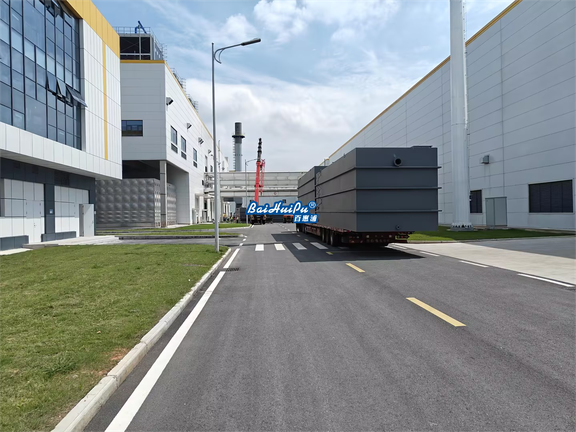
An integrated wastewater treatment solution featuring equalization, advanced oxidation, heavy metal chelation, biological treatment, and advanced filtration to efficiently remove COD, heavy metals, fluoride, and refractory organic pollutants from lithium battery manufacturing wastewater, ensuring stable discharge compliance and industrial water reuse.
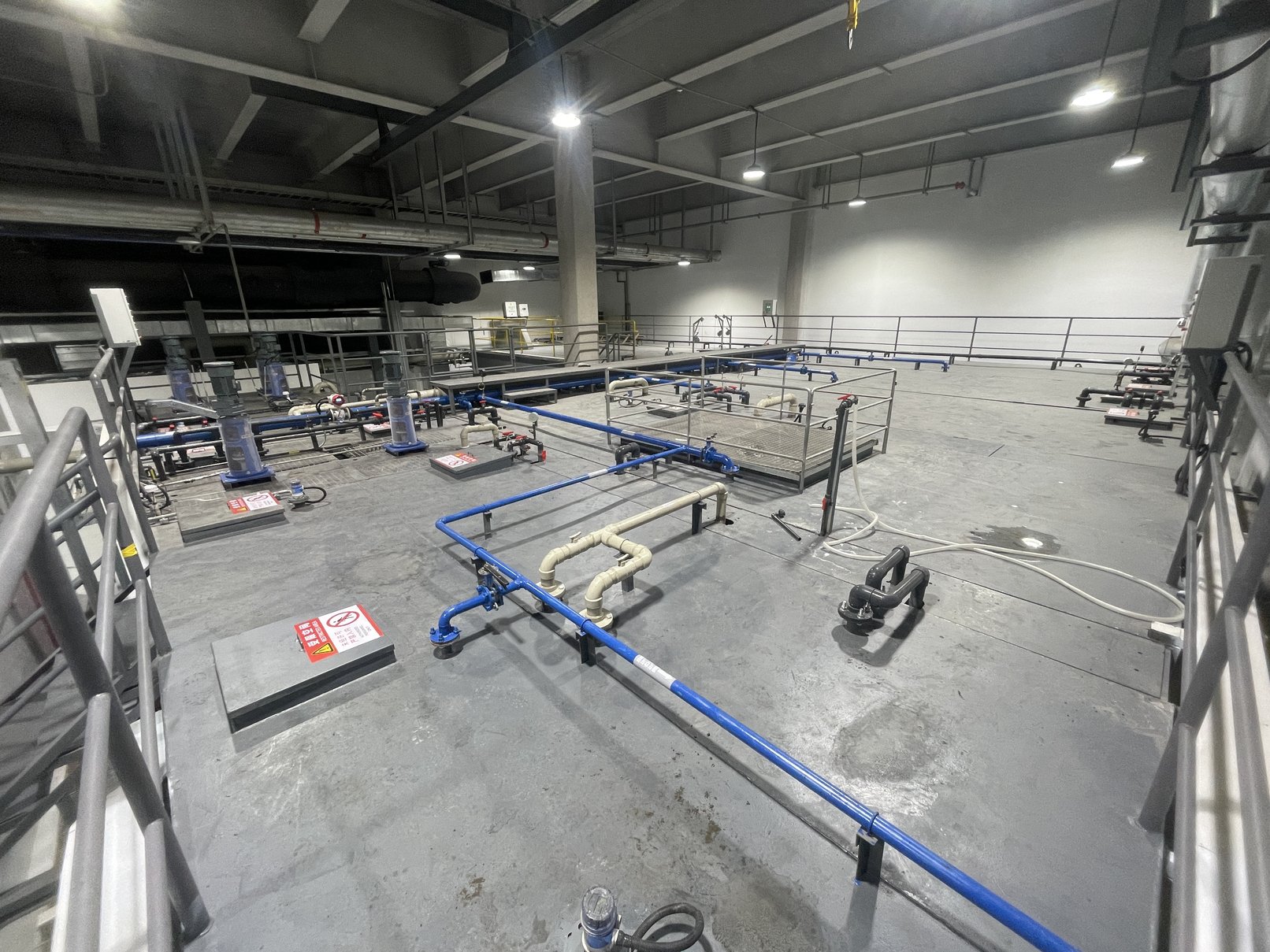
This project was implemented at a new energy battery manufacturing facility in Jiangxi, China, providing a customized wastewater treatment system for wastewater generated during electrode manufacturing, electrolyte cleaning, and production stripping processes.
The system is specifically designed for 24/7 continuous battery production, where wastewater quality and pollutant concentrations fluctuate significantly. The treated effluent consistently complies with local environmental discharge regulations and industrial water reuse requirements.
Wastewater Segregation & Collection → Equalization Tank → pH Adjustment → Fenton Advanced Oxidation → Heavy Metal Chelation, Coagulation & Sedimentation → Hydrolytic Acidification → Biological Contact Oxidation → Sand Filtration & Activated Carbon Filtration → Water Reuse or Compliant Discharge
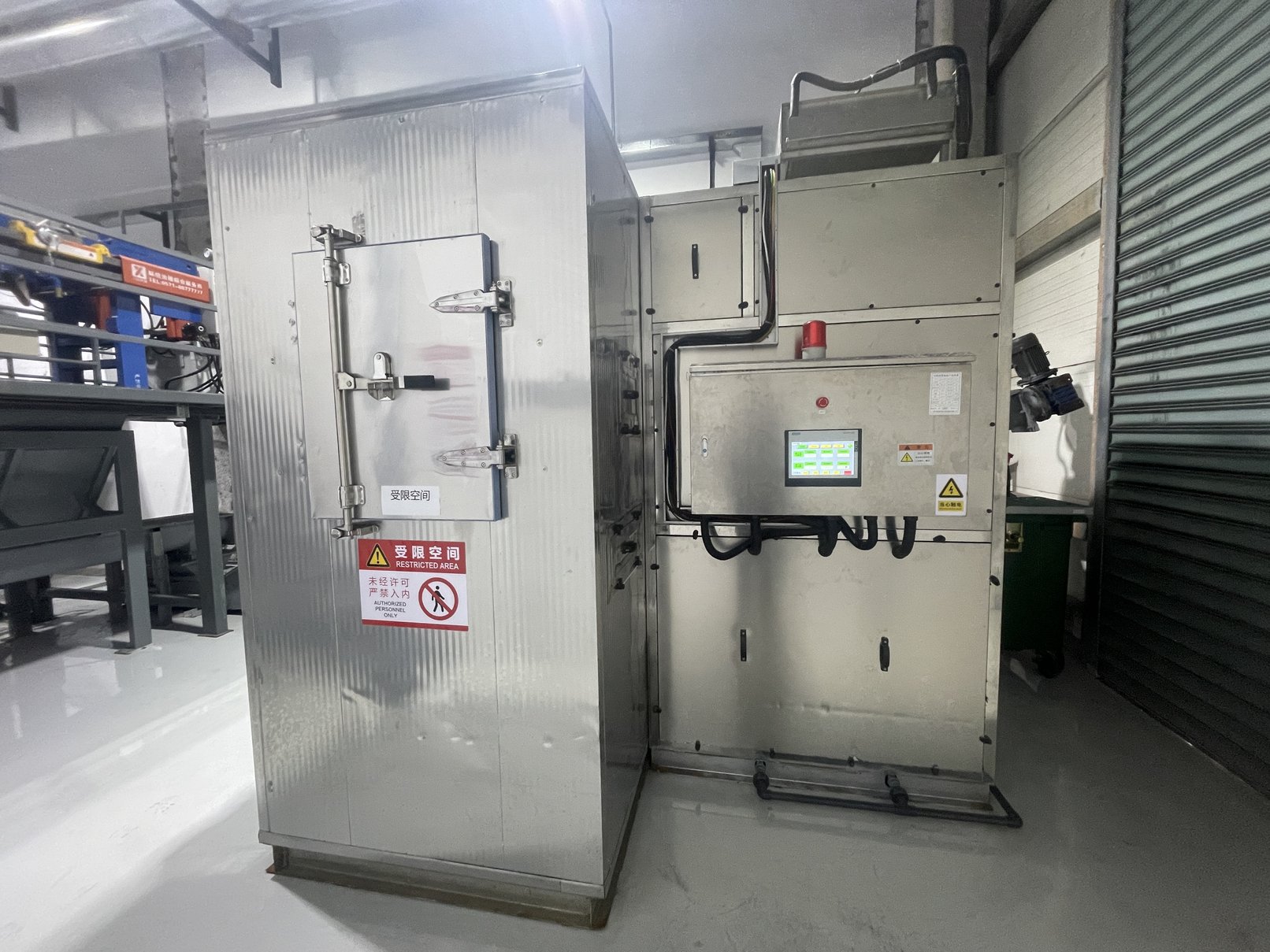
This wastewater treatment solution is suitable for lithium-ion battery, energy storage battery, and EV battery manufacturers throughout Jiangxi Province and Central China.
Conventional treatment technologies often struggle to achieve stable compliance under these conditions.
The system fully supports the increasingly stringent environmental requirements of China's rapidly growing new energy industry.
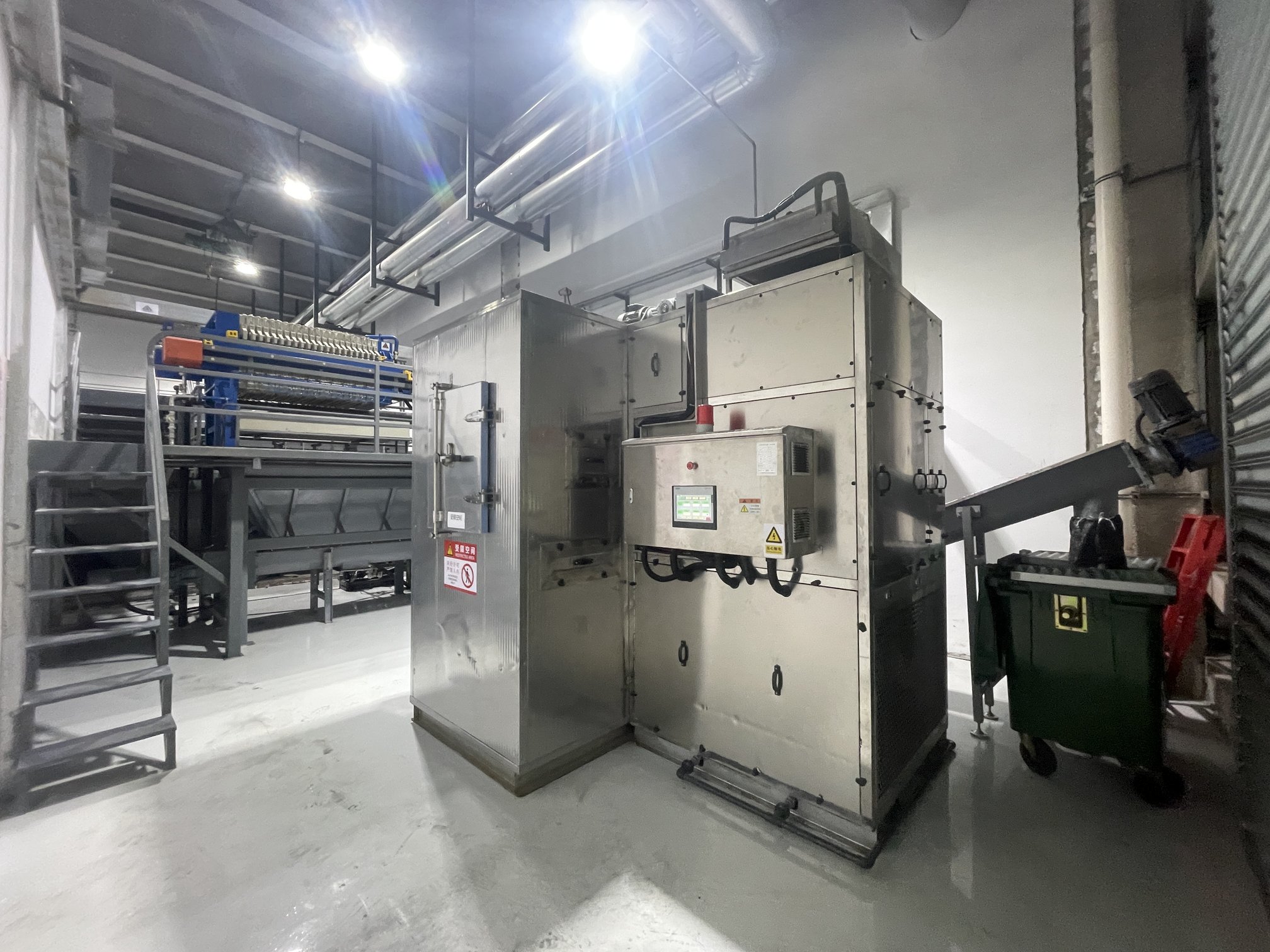
Jiangxi Province is one of China's major manufacturing hubs for the new energy industry, with a highly developed lithium battery supply chain. During large-scale production, battery manufacturers generate significant volumes of complex industrial wastewater from slurry preparation, electrode coating, electrode cleaning, electrolyte handling, and stripping processes.
This wastewater contains high concentrations of polymeric organic solvents, residual electrolytes, surfactants, trace heavy metals, and fluoride compounds. It is characterized by fluctuating COD levels, poor biodegradability, and refractory organic contaminants that are difficult to remove using conventional treatment methods.
Without effective treatment, direct discharge may result in environmental pollution, heavy metal accumulation, non-compliance with environmental regulations, increased freshwater consumption, and higher operating costs, ultimately affecting sustainable production.
Based on the wastewater characteristics of lithium battery manufacturing, continuous production requirements, and local environmental regulations in Jiangxi, Baihuipu developed a customized, highly reliable, and low-maintenance wastewater treatment solution.
Wastewater from different production processes is first collected through a dedicated pipeline network before entering the equalization tank, where flow and pollutant concentrations are balanced. This effectively absorbs shock loading during peak production periods and ensures continuous stable operation of downstream treatment processes.
To address the key challenges associated with refractory organic compounds and heavy metals, the wastewater first undergoes precise pH adjustment to establish optimal reaction conditions for Fenton advanced oxidation. The oxidation process efficiently breaks down stable organic molecular structures, decomposes toxic solvents and refractory contaminants, and significantly improves wastewater biodegradability.
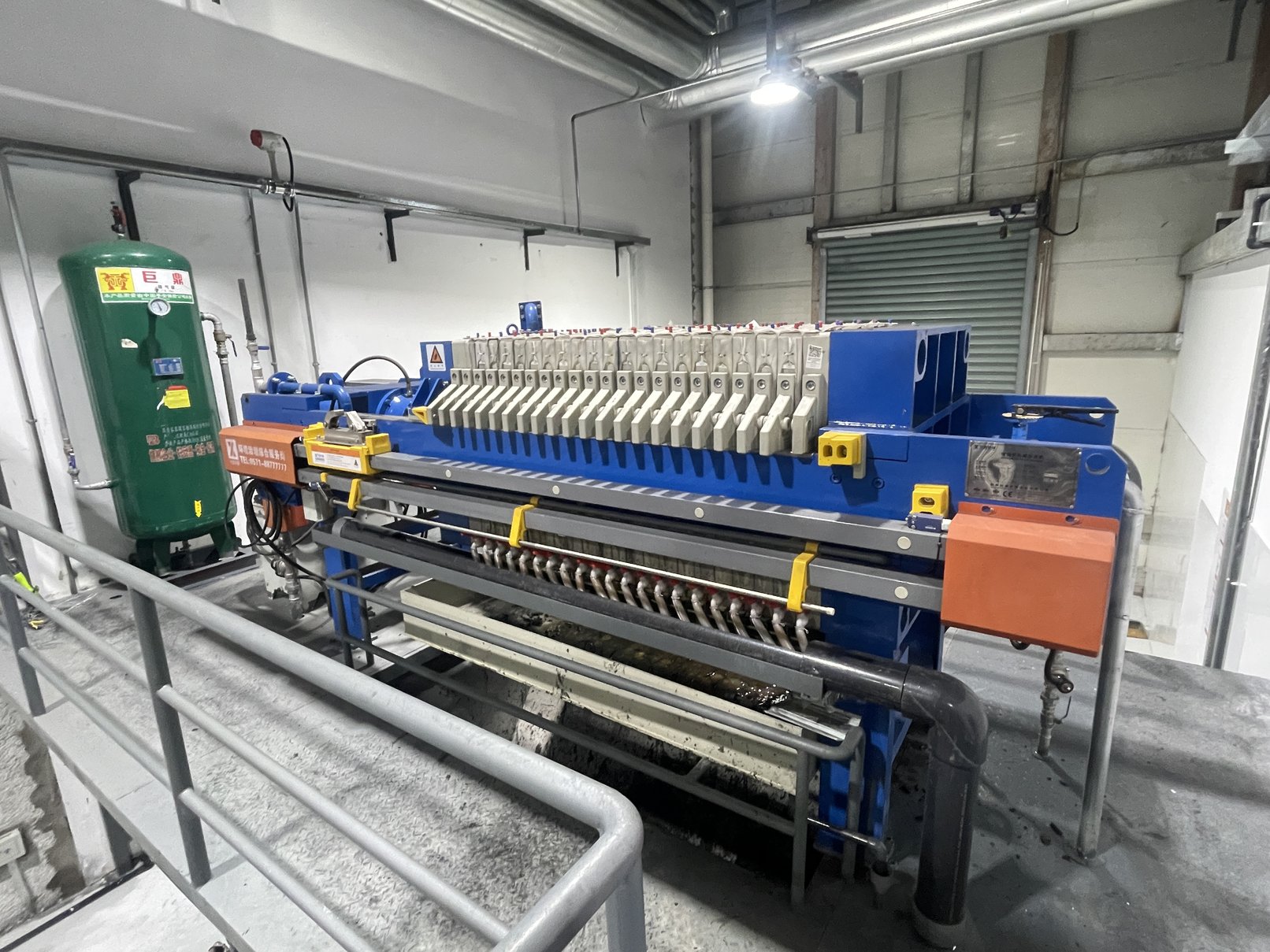
Next, heavy metal chelating agents together with coagulation and flocculation chemicals are added to capture dissolved heavy metal ions, fluoride, and colloidal particles. Dense flocs are formed and removed through sedimentation, achieving highly efficient solid-liquid separation while eliminating the major pollutants before biological treatment.
The pretreated wastewater subsequently enters the hydrolytic acidification and biological contact oxidation units, where specialized microbial communities further degrade residual biodegradable organic compounds and stabilize overall effluent quality.
As a final polishing step, the treated water passes through sand filtration and activated carbon filtration, removing trace suspended solids, residual contaminants, color, and odor. The reclaimed water can then be reused for equipment cleaning, plant dust suppression, landscaping, and other non-critical industrial applications, while excess treated water is safely discharged in compliance with environmental regulations.
The complete system features a high degree of automation, excellent resistance to fluctuating wastewater quality, low maintenance requirements, and reliable long-term performance under continuous industrial operation. By effectively solving the complex wastewater challenges associated with lithium battery manufacturing, the project has helped the customer reduce freshwater consumption, lower operating costs, maintain environmental compliance, and achieve stable, sustainable production.
Today, the project serves as a benchmark wastewater treatment solution for the new energy battery industry in Jiangxi and throughout Central China, demonstrating Baihuipu's expertise in delivering high-performance industrial wastewater treatment and water recycling systems for global battery manufacturers.

 EN