
lithium-battery-wastewater-treatment-system--guizhou-new-energy-project, lithium-battery-wastewater-treatment-system--guizhou-new-energy-project, /case-studies
EN
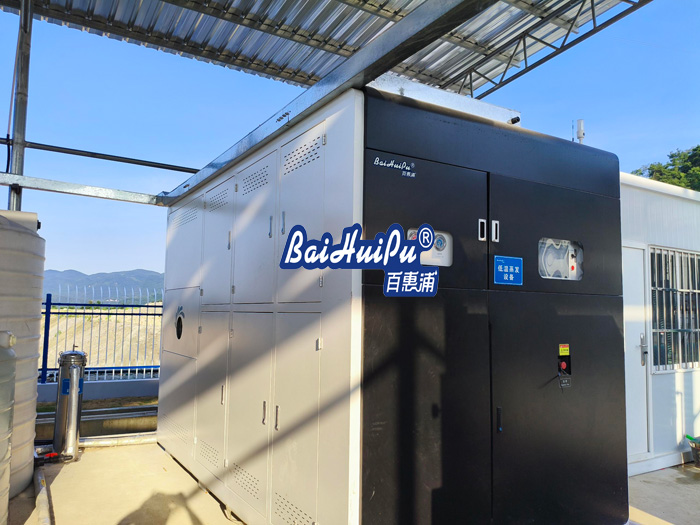
An integrated wastewater treatment solution combining equalization, Fenton advanced oxidation, heavy metal chelation, biological treatment, and advanced filtration to efficiently remove refractory organics, heavy metals, fluoride, and COD while producing stable effluent suitable for compliant discharge or industrial water reuse.
This project was custom designed for a new energy lithium battery manufacturing facility in Guizhou, China, treating integrated process wastewater generated during battery cell production, electrode cleaning, coating removal, and related manufacturing operations.
The system accommodates intermittent wastewater discharge while consistently meeting Southwest China's industrial wastewater discharge regulations and the customer's on-site water reuse requirements.
Wastewater Collection & Segregation → Equalization Tank → pH Adjustment → Fenton Advanced Oxidation → Heavy Metal Chelation, Coagulation & Sedimentation → Hydrolytic Acidification → Contact Oxidation Biological Treatment → Sand & Activated Carbon Filtration → Compliant Discharge / Water Reuse
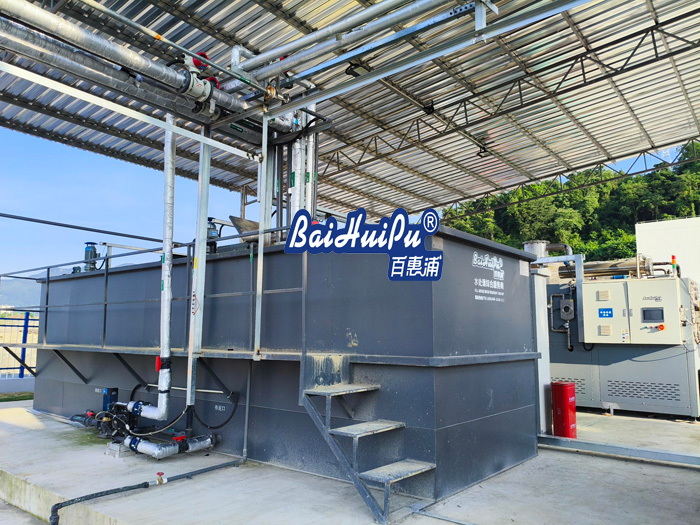
Lithium battery wastewater is one of the most challenging industrial wastewater streams due to its complex composition, poor biodegradability, toxic organic contaminants, trace heavy metals, and fluoride compounds. Conventional treatment processes often struggle to achieve consistent regulatory compliance.
It fully supports the increasingly stringent environmental requirements for the rapidly expanding new energy industry in Southwest China.
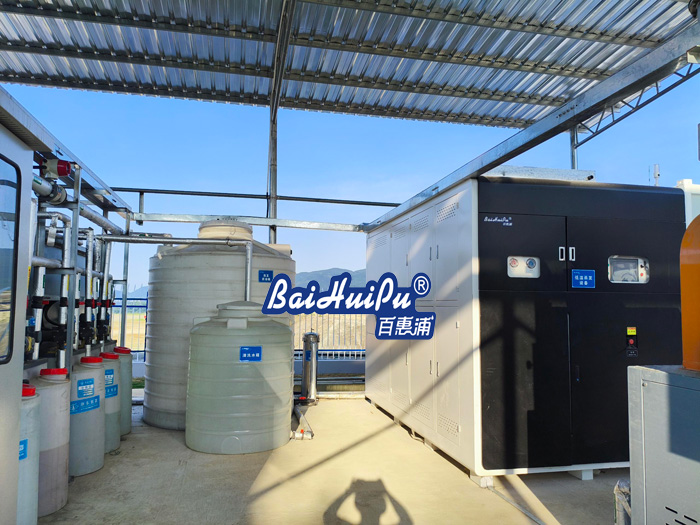
Guizhou has become an important manufacturing base for China's rapidly expanding lithium battery and energy storage industries. During battery production, large volumes of process wastewater are continuously generated from multiple manufacturing stages.
Unlike conventional industrial wastewater, lithium battery wastewater contains a complex mixture of contaminants, including residual cleaning chemicals, stripping solvents, trace heavy metals, fluoride compounds, colloidal particles, and refractory organic pollutants. The wastewater is characterized by highly fluctuating COD concentrations, poor biodegradability, difficult-to-degrade contaminants, and mild biological toxicity.
Without appropriate treatment, direct discharge may cause soil and groundwater contamination, heavy metal accumulation, non-compliance with environmental regulations, and unnecessary loss of valuable water resources, ultimately affecting sustainable industrial production.
Based on the wastewater characteristics, mountainous operating conditions, and local environmental regulations in Guizhou, Baihuipu developed a highly stable and customized wastewater treatment solution specifically engineered for lithium battery manufacturing.
Wastewater from different production areas is first collected separately and directed to an equalization tank, where fluctuations in flow rate and pollutant concentration are balanced. This effectively minimizes shock loading caused by intermittent production discharge while ensuring stable continuous operation of downstream treatment units.
To address the primary treatment challenges associated with refractory organic contaminants and heavy metals, the wastewater first undergoes precise pH adjustment to establish optimum reaction conditions. It is then treated using Fenton Advanced Oxidation, which efficiently breaks down stable high-molecular-weight organic compounds, destroys refractory pollutants, and significantly improves biodegradability.
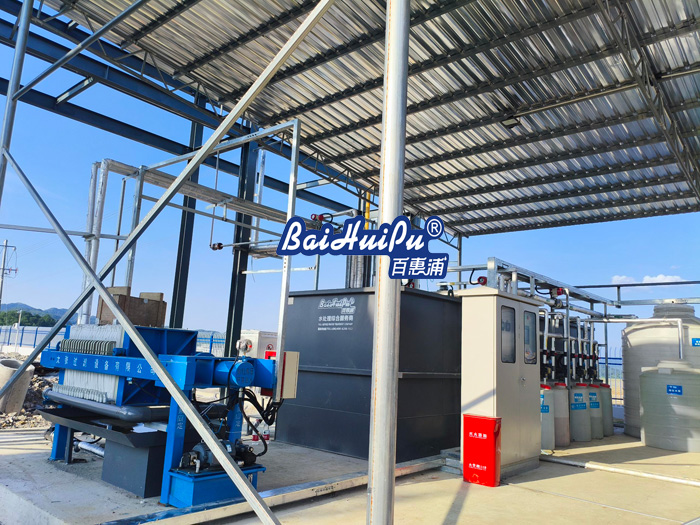
Specialized heavy metal chelating agents, together with coagulation and flocculation chemicals, are subsequently added to selectively capture trace heavy metals, fluoride, suspended solids, and colloidal contaminants. Dense flocs are formed and removed through sedimentation, achieving efficient solid-liquid separation while eliminating the major pollutants at the source.
The pretreated wastewater then enters the hydrolytic acidification and contact oxidation biological treatment units, where specially selected shock-resistant microorganisms further degrade residual low-molecular-weight organic compounds, stabilizing overall water quality.
Finally, the treated water passes through sand filtration and activated carbon filtration, removing trace impurities, residual color, and odors to produce clear, stable effluent suitable for industrial reuse or compliant discharge.
The reclaimed water can be reused for equipment cleaning, dust suppression, landscape irrigation, and other non-critical industrial applications, while excess treated water is safely discharged in compliance with environmental regulations.
The complete treatment system features a high level of automation, excellent resistance to wastewater fluctuations, and simplified maintenance, making it ideally suited for continuous operation at modern lithium battery manufacturing facilities.
Since commissioning, the system has consistently delivered stable treatment performance, effectively resolving complex lithium battery wastewater challenges while reducing freshwater consumption, lowering operating costs, and supporting environmentally responsible manufacturing. The project has become a benchmark wastewater treatment installation for the new energy industry in Southwest China and further demonstrates Baihuipu's expertise in advanced industrial wastewater treatment and water reuse solutions for the global battery manufacturing sector.

 EN