1. Wastewater Sources, Typical Pollutants & Water Characteristics
Wastewater from lithium battery manufacturing is primarily generated during cathode and anode material preparation, electrode coating, N-Methyl-2-pyrrolidone (NMP) solvent recovery, electrolyte filling, formation and aging, equipment cleaning, battery cell washing, and workshop floor cleaning. The solution is applicable to wastewater from the production of Lithium Iron Phosphate (LFP), Nickel Cobalt Manganese (NCM), and other lithium battery technologies.
The wastewater exhibits characteristics typical of the lithium battery industry and contains a complex mixture of pollutants, including:
- Heavy metals, such as lithium (Li), nickel (Ni), cobalt (Co), and manganese (Mn), most of which exist in stable complexed forms.
- Inorganic pollutants, including fluoride, phosphate, and high concentrations of dissolved salts.
- Refractory organic compounds, primarily NMP, electrolyte residues, and polymer binders, resulting in significant COD fluctuations and poor biodegradability.
In addition, alternating acidic and alkaline process streams cause wide pH variations, elevated Total Dissolved Solids (TDS), and significant fluctuations in both wastewater flow and composition. Without effective treatment, residual heavy metals and excessive fluoride concentrations can easily exceed discharge limits.
Wastewater treatment systems must comply with the stringent requirements of GB 30484-2013 – Discharge Standard of Pollutants for Battery Industry, while simultaneously meeting both environmental discharge and production water reuse requirements.
2. Common Customer Challenges
Environmental regulations for lithium battery manufacturing are increasingly stringent, with heavy metals and fluoride designated as key compliance indicators. Even minor fluctuations in wastewater quality may result in environmental non-compliance.
Conventional wastewater treatment technologies have limited capability for breaking down stable heavy metal complexes, often producing unstable treatment performance while requiring excessive chemical dosing and generating large quantities of hazardous sludge, leading to high operating and disposal costs.
Refractory organic compounds frequently cause membrane fouling, equipment corrosion, and unplanned shutdowns, negatively affecting continuous production.
In addition, standard wastewater treatment equipment is generally not designed for the highly saline and highly corrosive operating conditions of lithium battery manufacturing, resulting in poor system adaptability and reduced equipment reliability.
Many conventional treatment systems also achieve relatively low water recovery rates, resulting in significant losses of valuable metals and water resources. Traditional civil wastewater treatment facilities require large installation areas and offer limited flexibility for future expansion, making them unsuitable for rapidly growing battery manufacturing plants.
3. Treatment Process & Core Equipment Configuration
To address the complex characteristics of lithium battery wastewater, we employ a dedicated treatment process consisting of:
Segregated Collection & Pretreatment → Decomplexation & Oxidation → Coagulation & Sedimentation → Biological Treatment → Advanced Membrane Desalination → Concentrate Volume Reduction
High-strength and low-strength wastewater streams are collected separately and equalized prior to treatment.
A dedicated decomplexation reactor effectively breaks down stable heavy metal complexes, followed by coagulation and sedimentation together with a high-efficiency fluoride removal system to remove the majority of heavy metals, fluoride, and suspended solids.
Advanced oxidation technology is then applied to degrade refractory organic compounds and improve wastewater biodegradability.
The biological treatment stage utilizes an A/O (Anoxic/Oxic) process to efficiently remove COD and ammonia nitrogen.
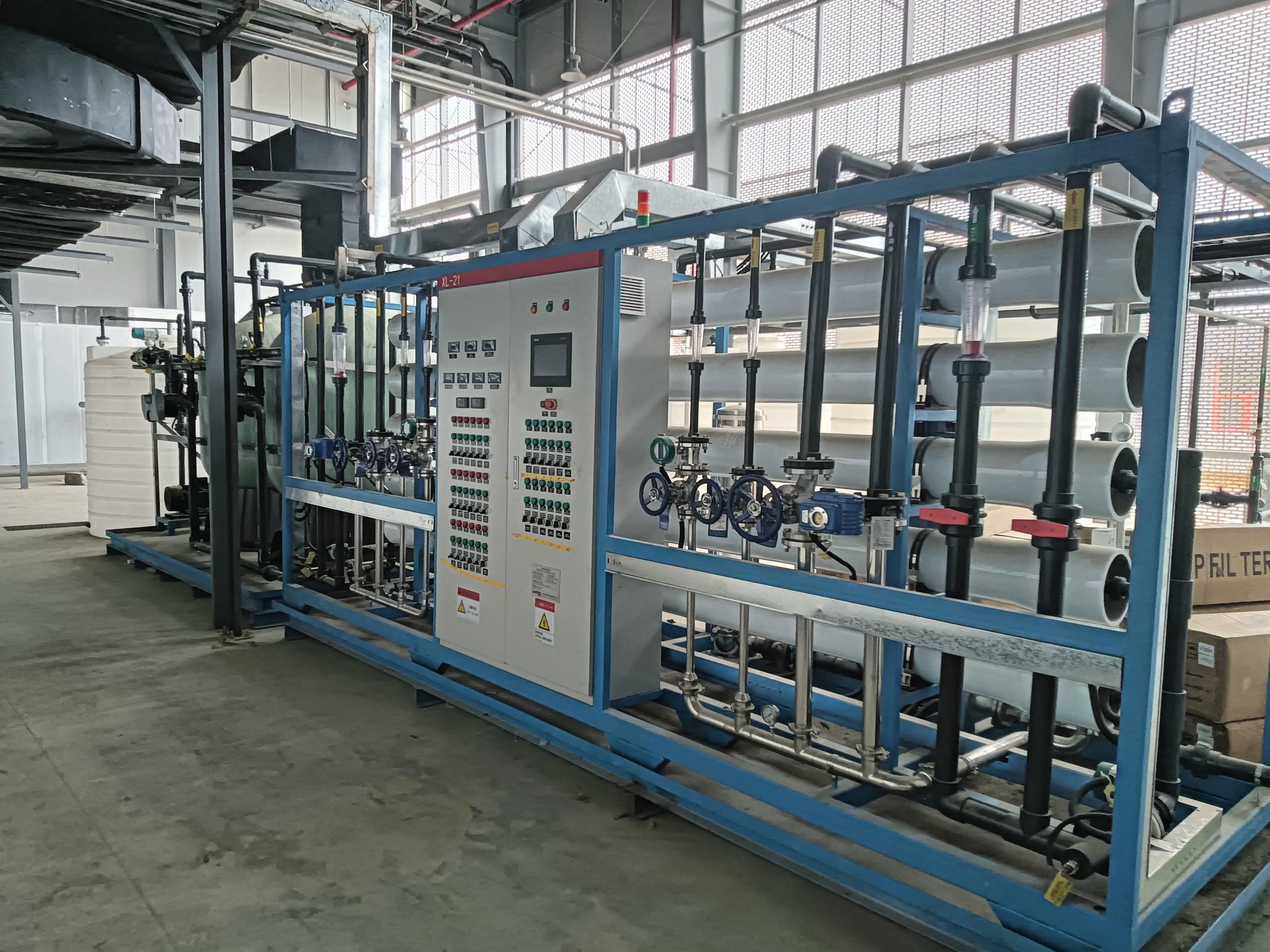
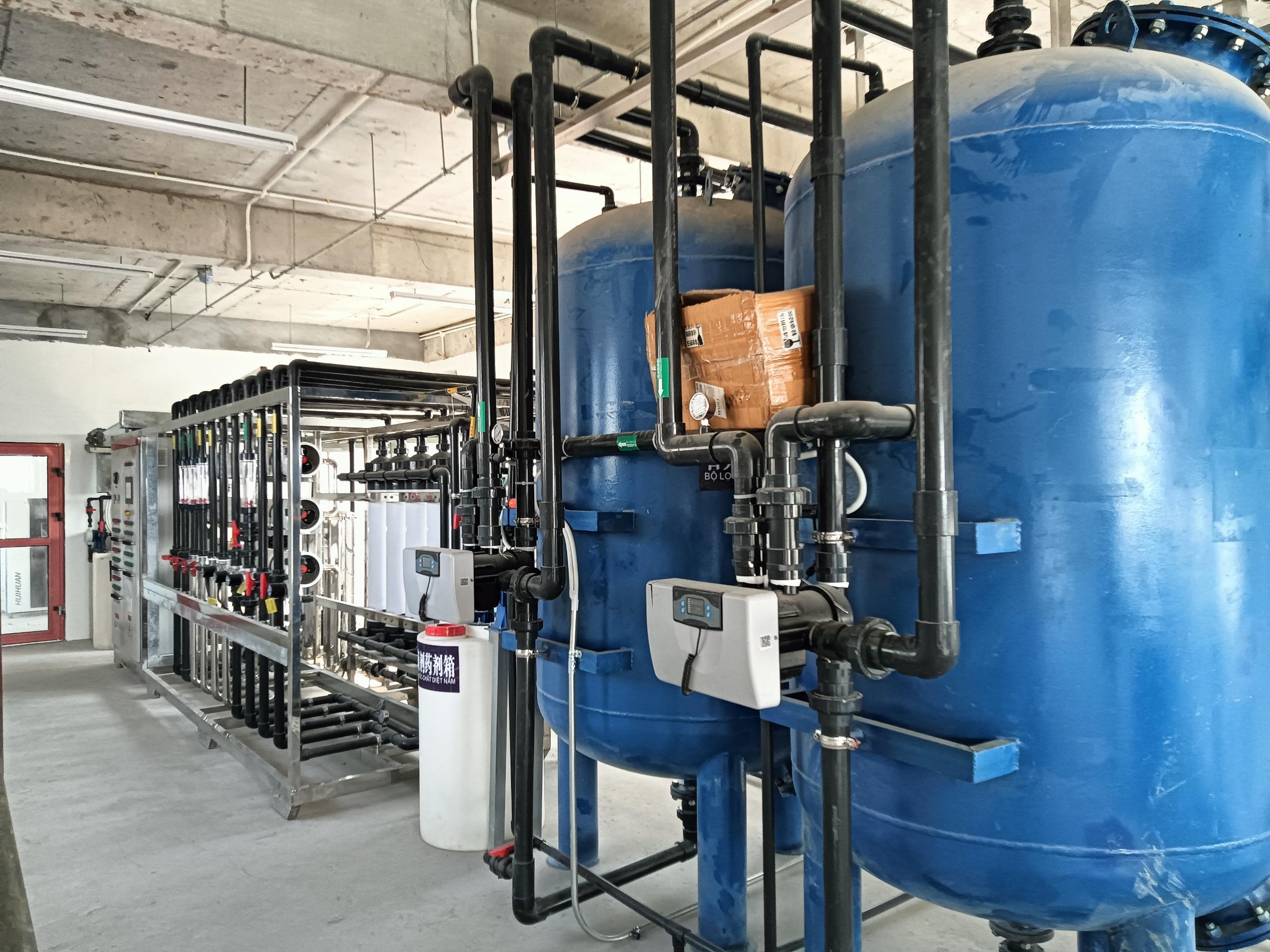
Finally, an Ultrafiltration (UF) system combined with an anti-fouling Reverse Osmosis (RO) membrane system produces high-quality reclaimed water suitable for production cleaning processes. The remaining high-salinity concentrate undergoes further concentration and volume reduction prior to final disposal.
Core equipment includes:
- Customized heavy metal decomplexation reactors
- High-efficiency fluoride removal systems
- Intelligent chemical dosing systems
- Anti-fouling membrane filtration systems
- Fully automatic water treatment control panels
- Online water quality monitoring systems
4. Solution Advantages
Our solution is specifically engineered to address the complex wastewater characteristics of lithium battery manufacturing.
The proprietary treatment process effectively breaks down complexed heavy metals, achieving high removal efficiencies for both heavy metals and fluoride while consistently producing treated water that meets discharge and reuse standards.
We provide fully customized equipment solutions tailored to the highly saline and corrosive conditions of lithium battery production. Customized anti-corrosion housings, wear-resistant structures, anti-clog piping systems, and specialized filtration components significantly improve equipment adaptability, operational stability, and service life.
All core mechanical equipment, electrical control systems, and water treatment components are certified to CE, UL, and ISO standards, ensuring product quality, operational safety, and compliance with both domestic and international project acceptance requirements.
The system achieves water reuse rates exceeding 90%, enabling efficient recycling of water resources while simultaneously recovering valuable metals, significantly reducing freshwater consumption and hazardous waste disposal costs.
Its modular integrated design minimizes installation space requirements while providing flexible installation, expansion, and system upgrades. Fully automated intelligent operation substantially reduces labor requirements, maintenance frequency, and overall operating costs.
5. Project References & Supporting Documentation
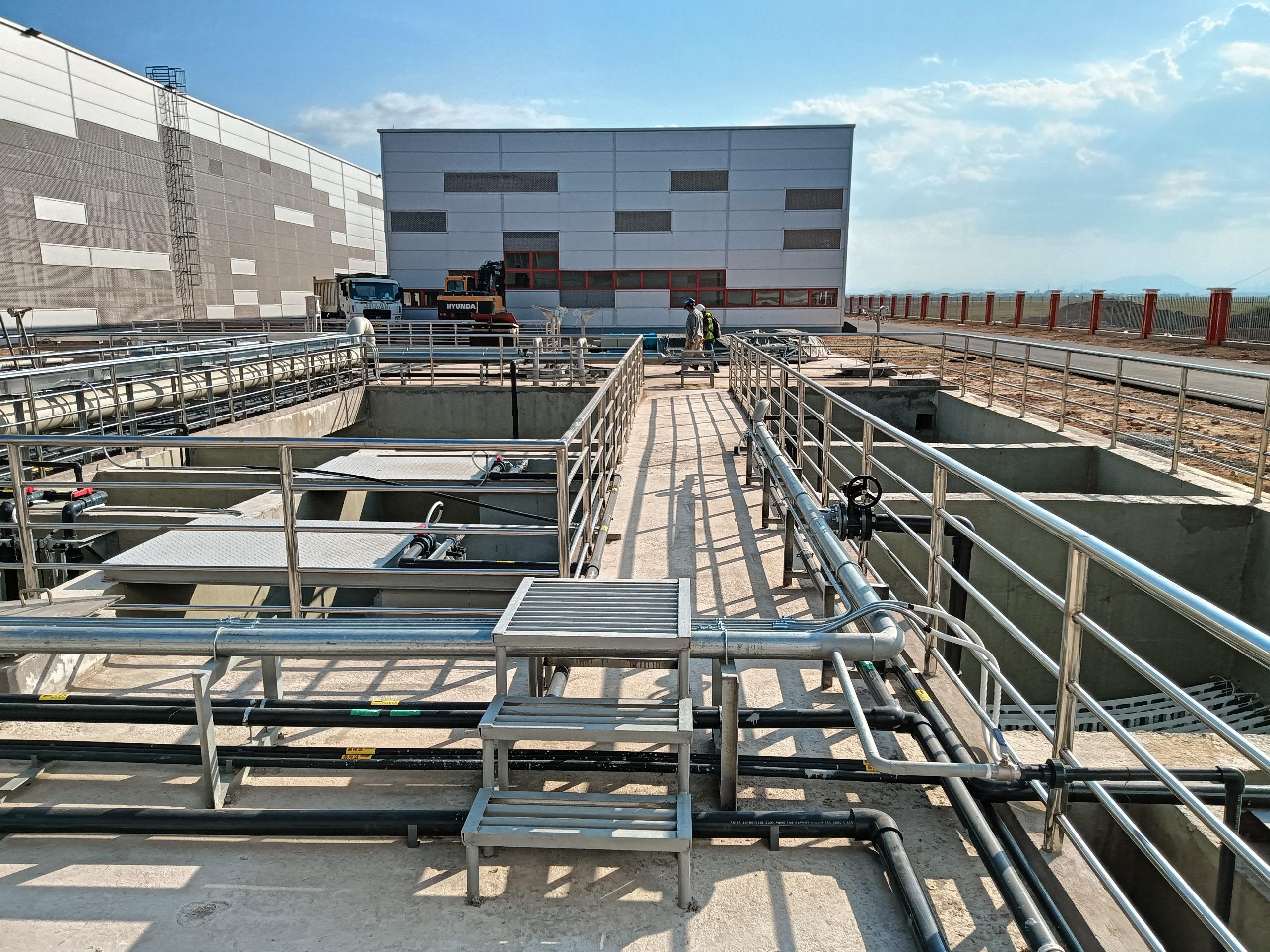
We have successfully completed numerous wastewater treatment projects for lithium battery manufacturers, covering both LFP and NCM battery production facilities.
A representative project is a 10 GW Lithium Battery Manufacturing Wastewater Treatment & Water Reuse Project, with a treatment capacity of 1,000 m³/day.
The system has demonstrated long-term stable operation, effectively resolving issues related to excessive heavy metals, membrane fouling, and frequent maintenance. The project successfully passed environmental acceptance inspections while saving more than 300,000 m³ of freshwater annually.
Supporting documentation includes:
- Proprietary wastewater treatment process patents
- CE and UL certification certificates
- ISO Quality Management System certification
- Third-party accredited water quality testing reports
- Project acceptance documentation
- Reference contracts for benchmark projects
6. Service Scope & Cooperation Process
We provide comprehensive EPC turnkey wastewater treatment solutions for lithium battery manufacturers, including site investigation, wastewater sampling and analysis, customized process engineering, non-standard equipment design, equipment manufacturing, installation, commissioning, operation and maintenance, environmental compliance support, system upgrades, and lifetime consumables supply.
Standard Cooperation Process
- Site Survey & Water Sampling – Conduct on-site investigation, collect wastewater samples, and issue a comprehensive water quality analysis report.
- Customized Engineering Design – Develop a dedicated treatment process, customized equipment solution, and detailed commercial quotation.
- Equipment Manufacturing & Construction – Begin customized equipment fabrication and on-site construction after contract confirmation.
- Installation & Commissioning – Complete installation, integrated commissioning, and trial operation until stable treatment performance and regulatory compliance are achieved.
- Project Acceptance & Training – Assist with environmental acceptance procedures and provide professional operator training.
- Long-term Technical Support – Deliver preventive maintenance, routine inspections, system optimization, equipment upgrades, and lifetime technical support.

 EN