
benepur-50-m/day-pharmaceutical-wastewater-treatment-system-for-jianfeng-pharma, benepur-50-m/day-pharmaceutical-wastewater-treatment-system-for-jianfeng-pharma, /case-studies
EN
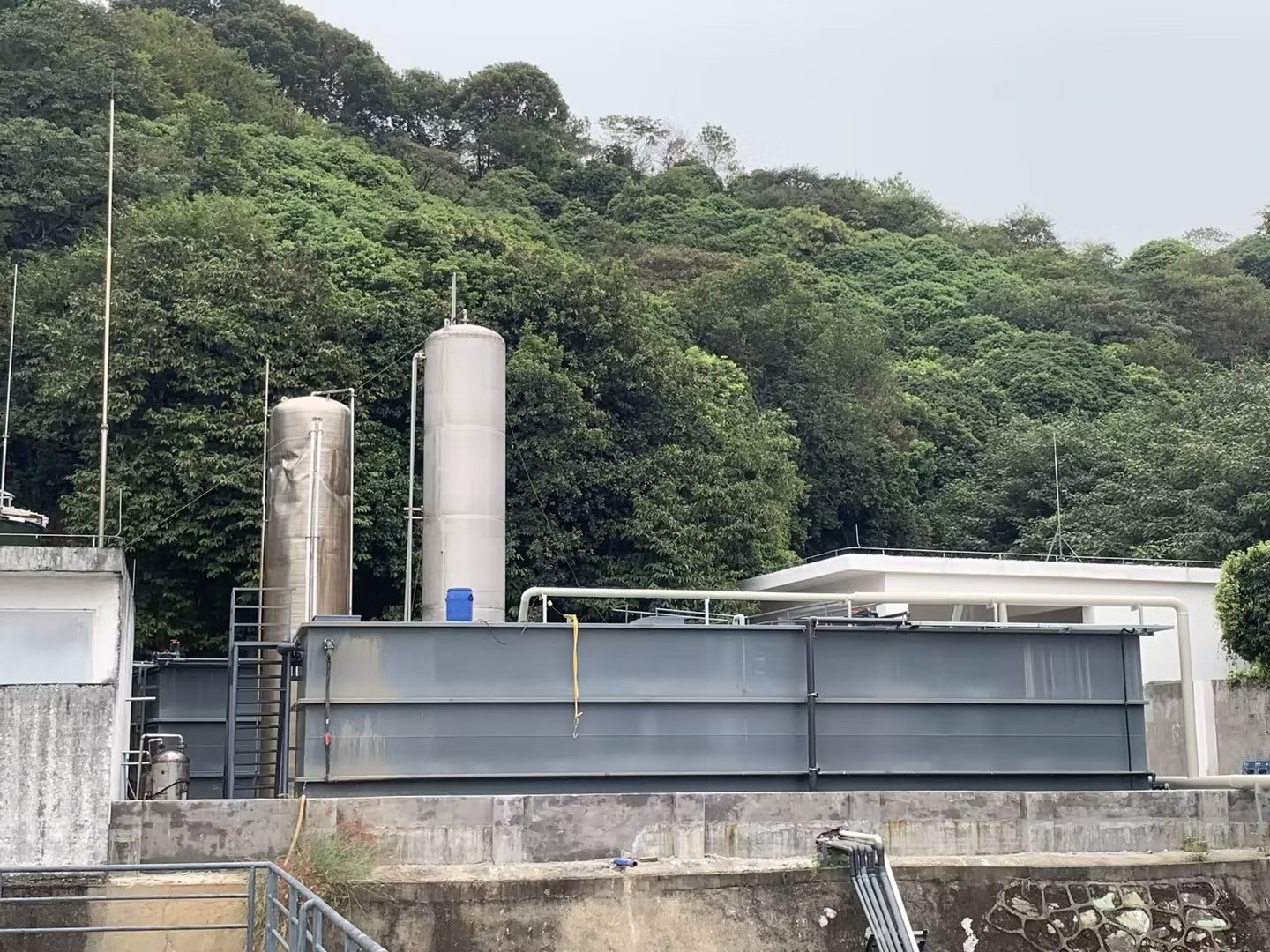
Featuring equalization, micro-electrolysis Fenton oxidation, hydrolytic acidification, AO biological treatment, and filtration processes, this system is designed for high-COD pharmaceutical wastewater with improved biodegradability and stable compliant discharge.
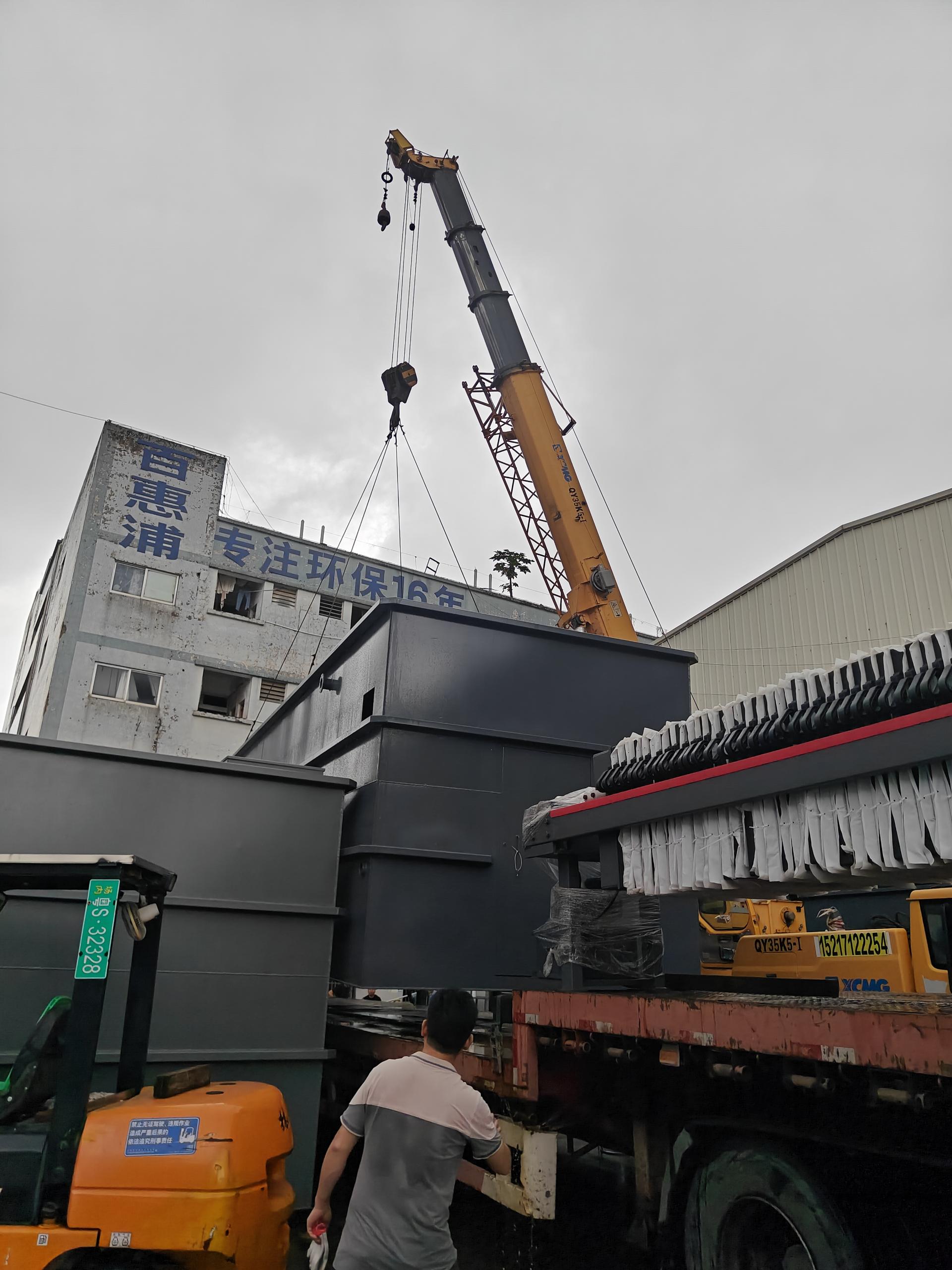
This project was implemented at Guangdong Jianfeng Pharmaceutical’s manufacturing facility, with a designed treatment capacity of 50 m³/day. The integrated industrial wastewater treatment system was customized for wastewater generated from pharmaceutical production processes, equipment cleaning, and workshop floor washing operations.
The treatment system adopts a proven pharmaceutical wastewater process:
Wastewater Collection → Mechanical Screening → Equalization Tank → Micro-Electrolysis + Fenton Oxidation → Hydrolytic Acidification Tank → AO Biological Treatment (Anaerobic + Aerobic) → Inclined Tube Sedimentation → Fine Filtration → Compliant Discharge
The system is designed to address key pharmaceutical wastewater challenges, including:
Through advanced oxidation pretreatment, refractory organic structures are decomposed, wastewater toxicity is reduced, and biodegradability is improved to create more favorable conditions for subsequent biological treatment.
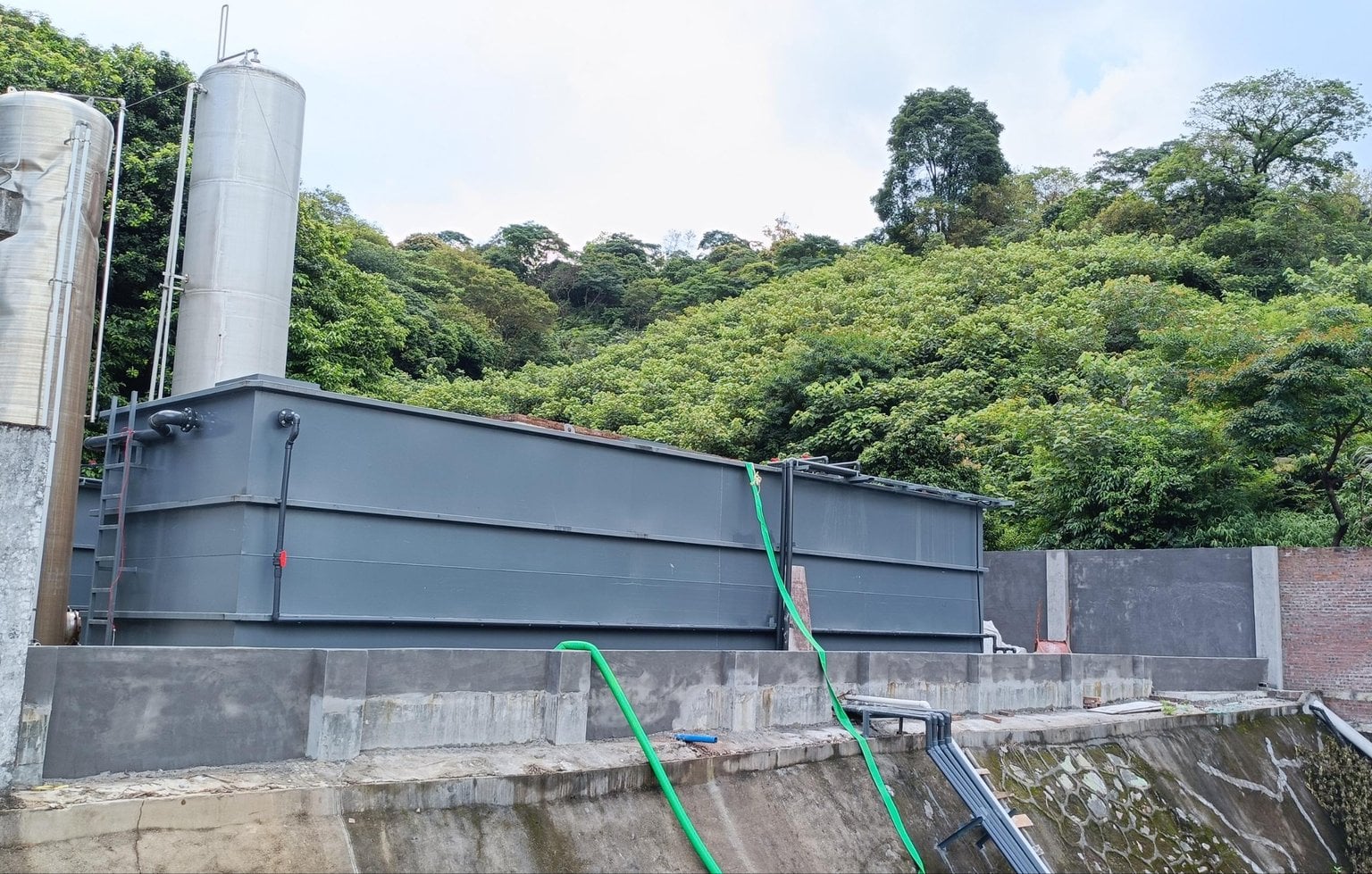
The equipment adopts a corrosion-resistant integrated structure suitable for industrial wastewater environments. Equipped with an automatic PLC control system, the unit supports:
The treated effluent meets applicable pharmaceutical wastewater discharge requirements.
 |
|
This pharmaceutical wastewater treatment system is suitable for:
It is mainly designed for treating:
The system can be applied in:
It is suitable for pharmaceutical companies requiring compact design, automated operation, and stable wastewater treatment performance under batch production conditions.
 |
 |
During daily pharmaceutical manufacturing, equipment cleaning, and sanitation operations, Guangdong Jianfeng Pharmaceutical generates approximately 50 tons of comprehensive pharmaceutical wastewater per day.
Compared with conventional industrial wastewater, pharmaceutical wastewater contains complex organic compounds, residual pharmaceutical ingredients, and suspended colloidal substances. It typically features:
Due to the batch production model commonly adopted in pharmaceutical manufacturing, wastewater discharge periods are often concentrated, resulting in variations in flow rate and pollutant loading. Conventional treatment methods may face difficulties in handling refractory contaminants, leading to unstable treatment performance and potential compliance risks.
To meet the wastewater treatment requirements of Guangdong Jianfeng Pharmaceutical, BenePur developed a customized treatment solution combining physicochemical detoxification, biological degradation, and advanced purification processes.
Collected wastewater first passes through a mechanical screening unit to remove pharmaceutical residues, floating solids, and coarse impurities, helping prevent downstream equipment blockage. The screened wastewater then enters the equalization tank, where variations in flow and pollutant concentration are balanced to provide stable operating conditions for subsequent treatment units.
The core pretreatment stage utilizes micro-electrolysis combined with Fenton oxidation technology. Through oxidation reactions, complex macromolecular organic compounds are broken down, wastewater toxicity is reduced, color is improved, and biodegradability is enhanced. This process provides improved conditions for biological treatment and helps address the challenges associated with refractory pharmaceutical wastewater.
After pretreatment, wastewater enters the hydrolytic acidification tank, where remaining complex organic compounds are further converted into more biodegradable substances. The following AO biological treatment system utilizes acclimated microbial communities to remove residual COD and organic pollutants, completing the primary purification process.
The biologically treated wastewater then passes through an inclined tube sedimentation tank for solid-liquid separation, removing settled sludge and fine suspended particles. The clarified water undergoes fine filtration to further reduce residual solids and trace contaminants.
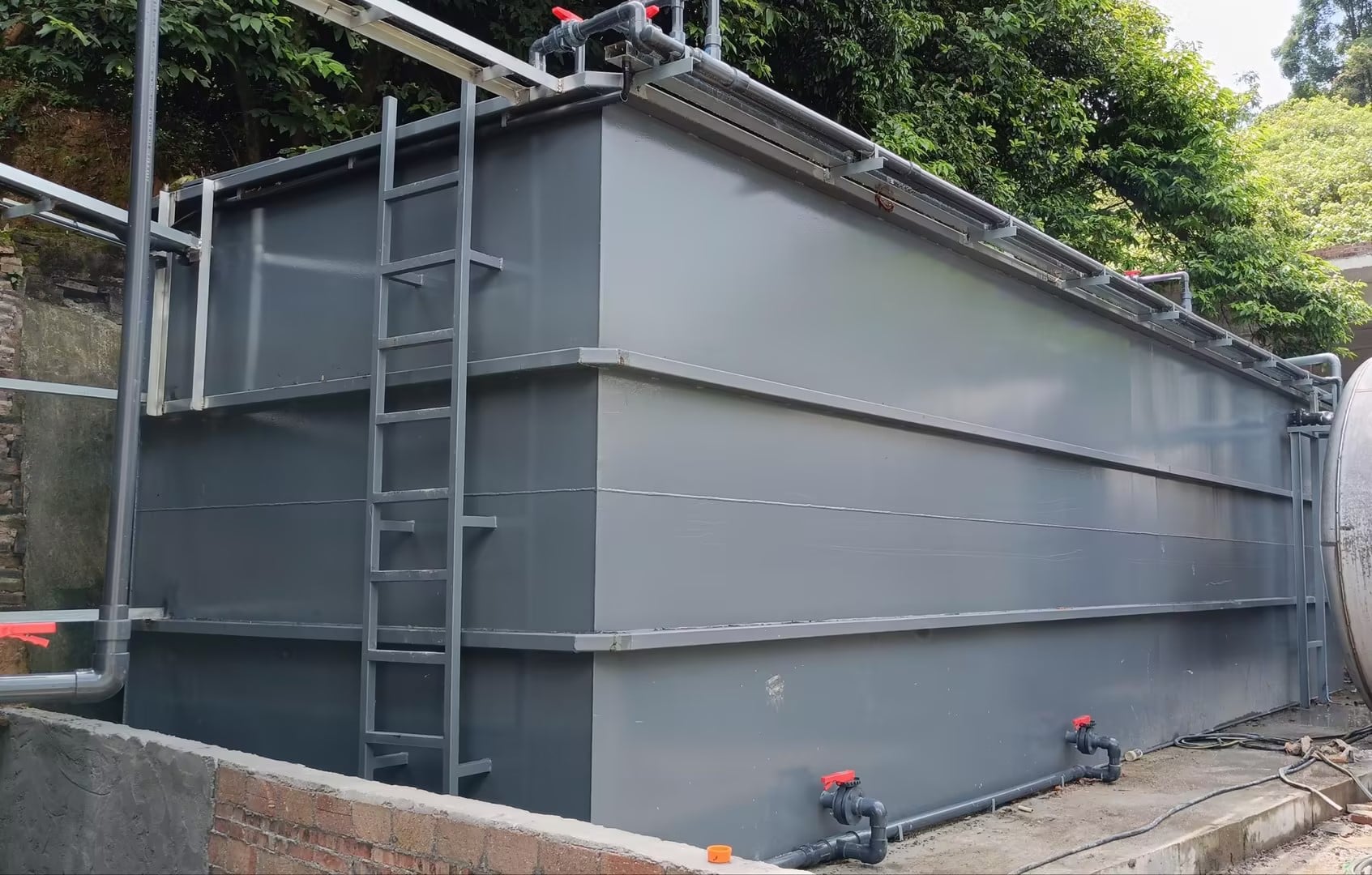
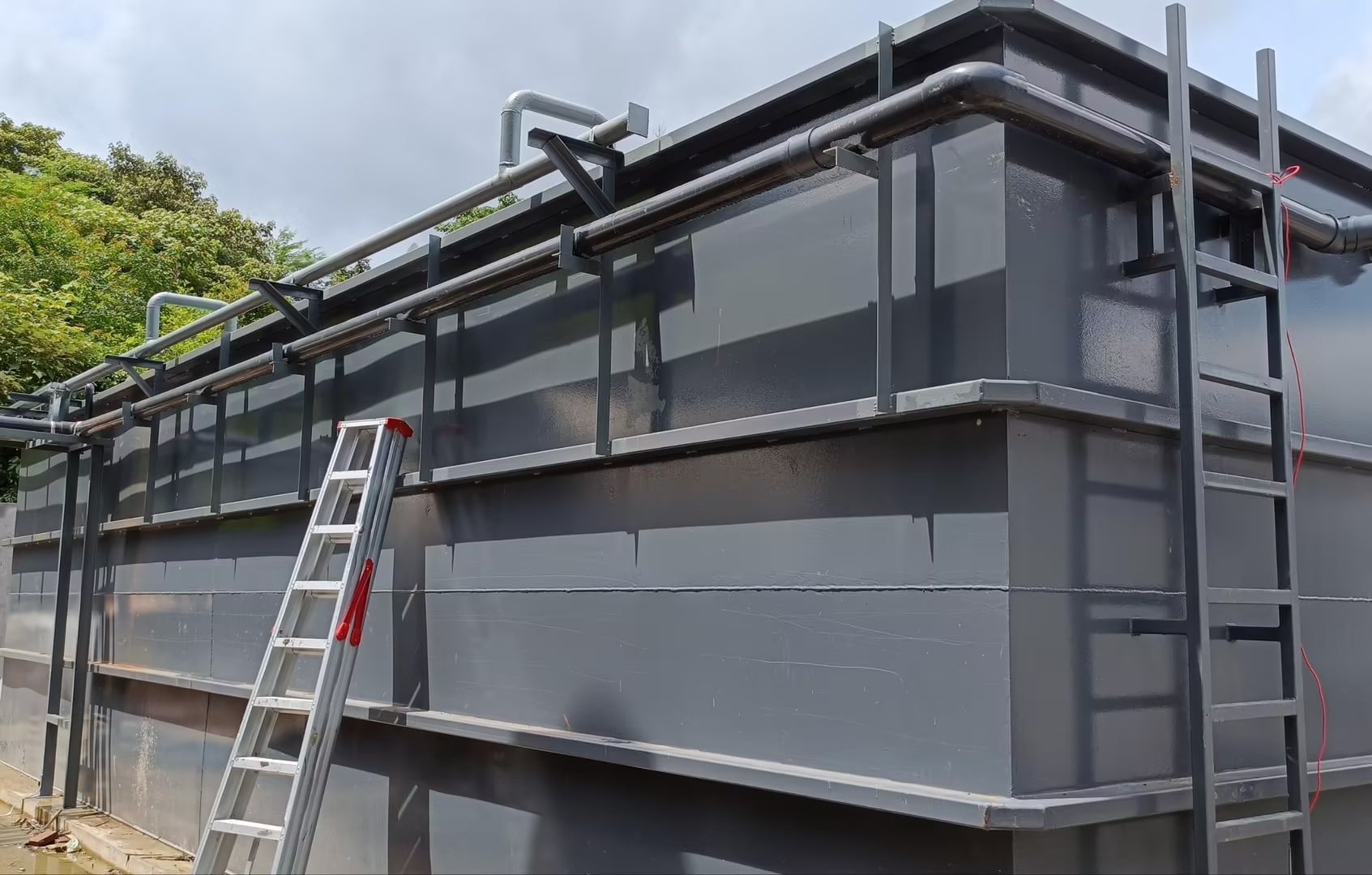
The entire system features a compact integrated design, automated control, convenient operation, and strong adaptability to fluctuating wastewater loads. Following commissioning, the project has provided stable wastewater treatment performance, helping Guangdong Jianfeng Pharmaceutical improve environmental compliance, reduce wastewater management pressure, and support sustainable pharmaceutical manufacturing operations.

 EN