
benepur-40-m/day-medical-wastewater-treatment-system-for-dongguan-healthcare-facilities, benepur-40-m/day-medical-wastewater-treatment-system-for-dongguan-healthcare-facilities, /case-studies
EN
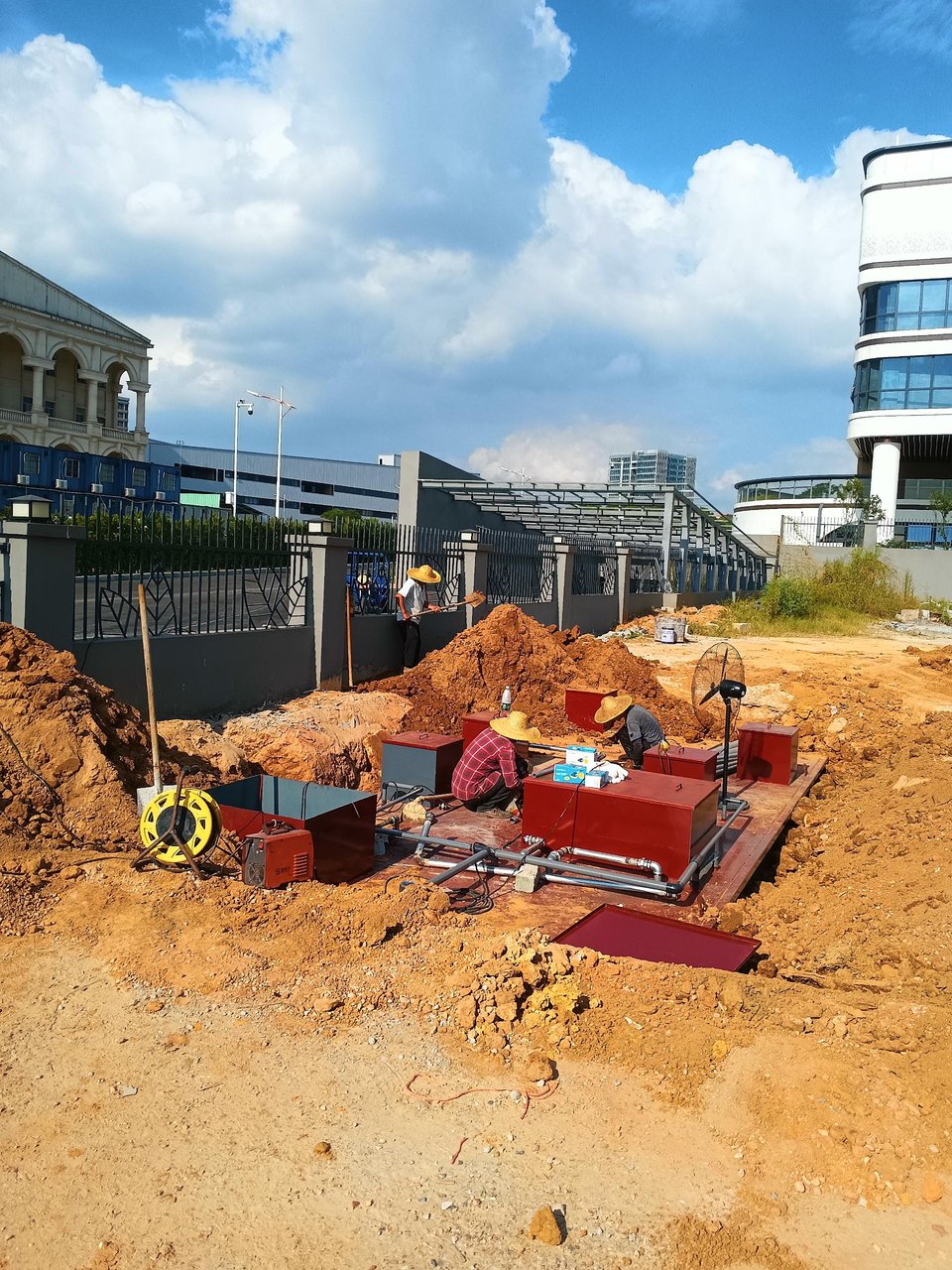
Featuring screening pretreatment, septic tank equalization, biological contact oxidation, sedimentation filtration, and chlorine dioxide disinfection, this system complies with medical wastewater standards, ensuring efficient sterilization, pollutant removal, and stable compliant discharge.
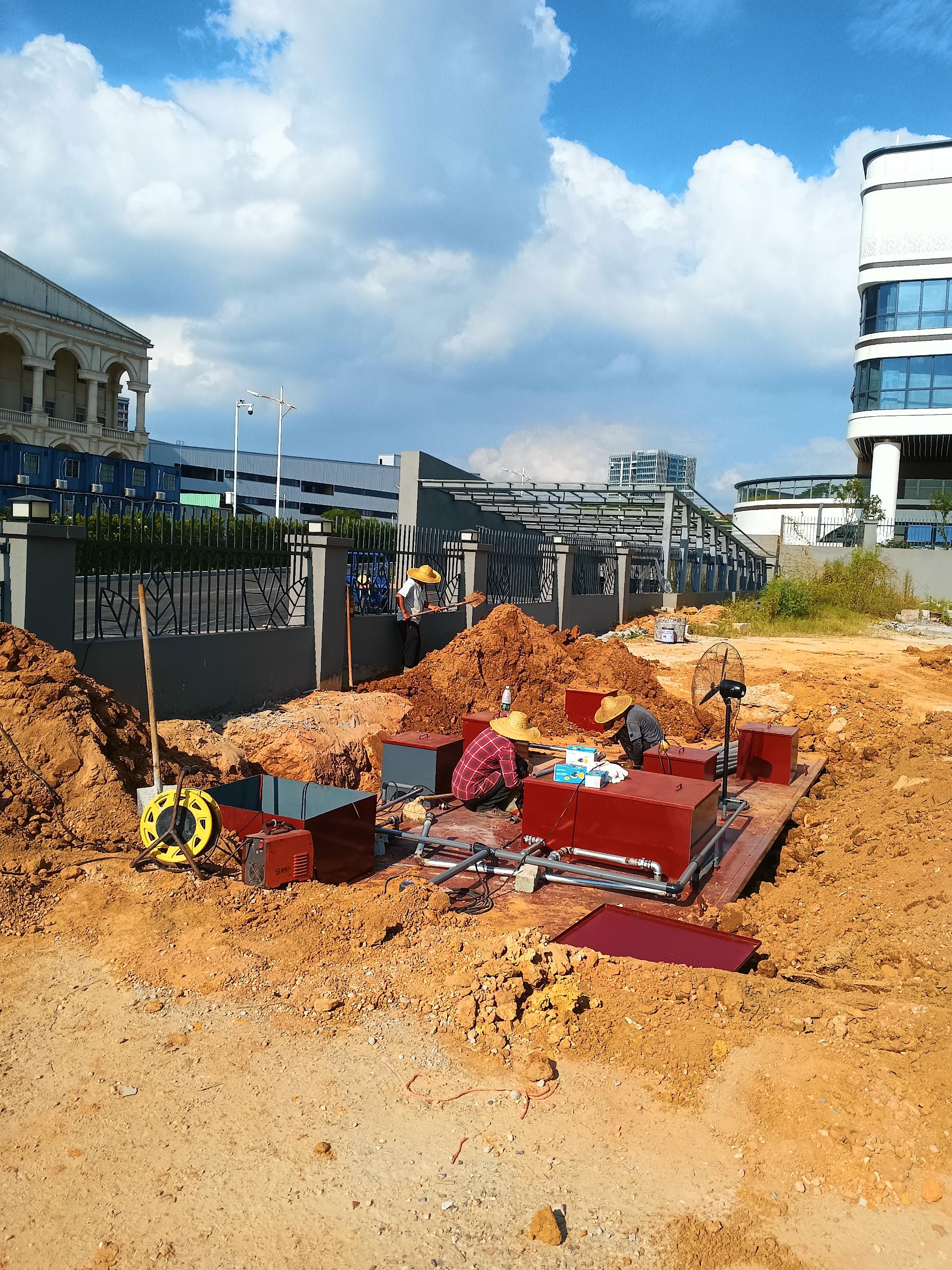
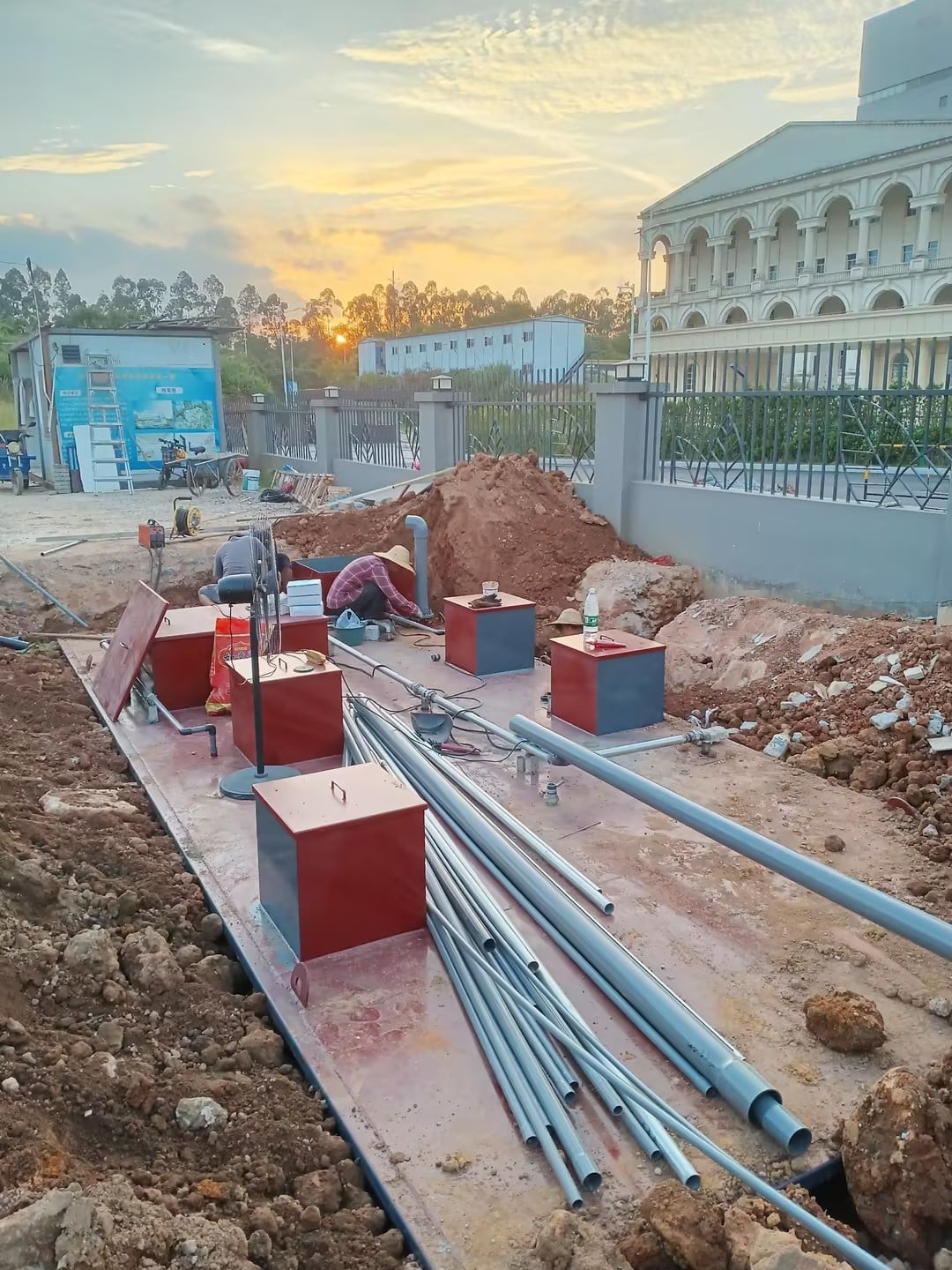
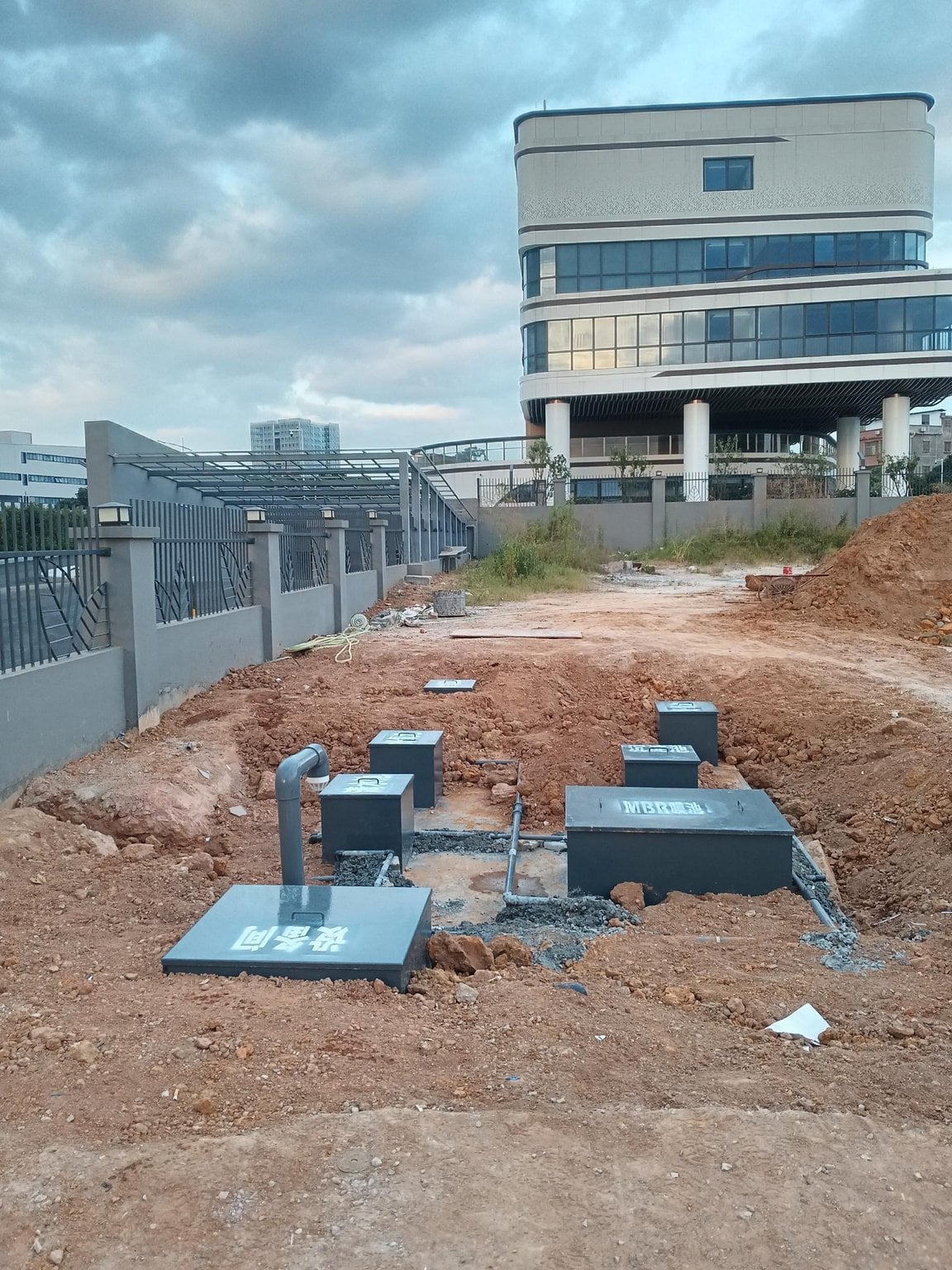
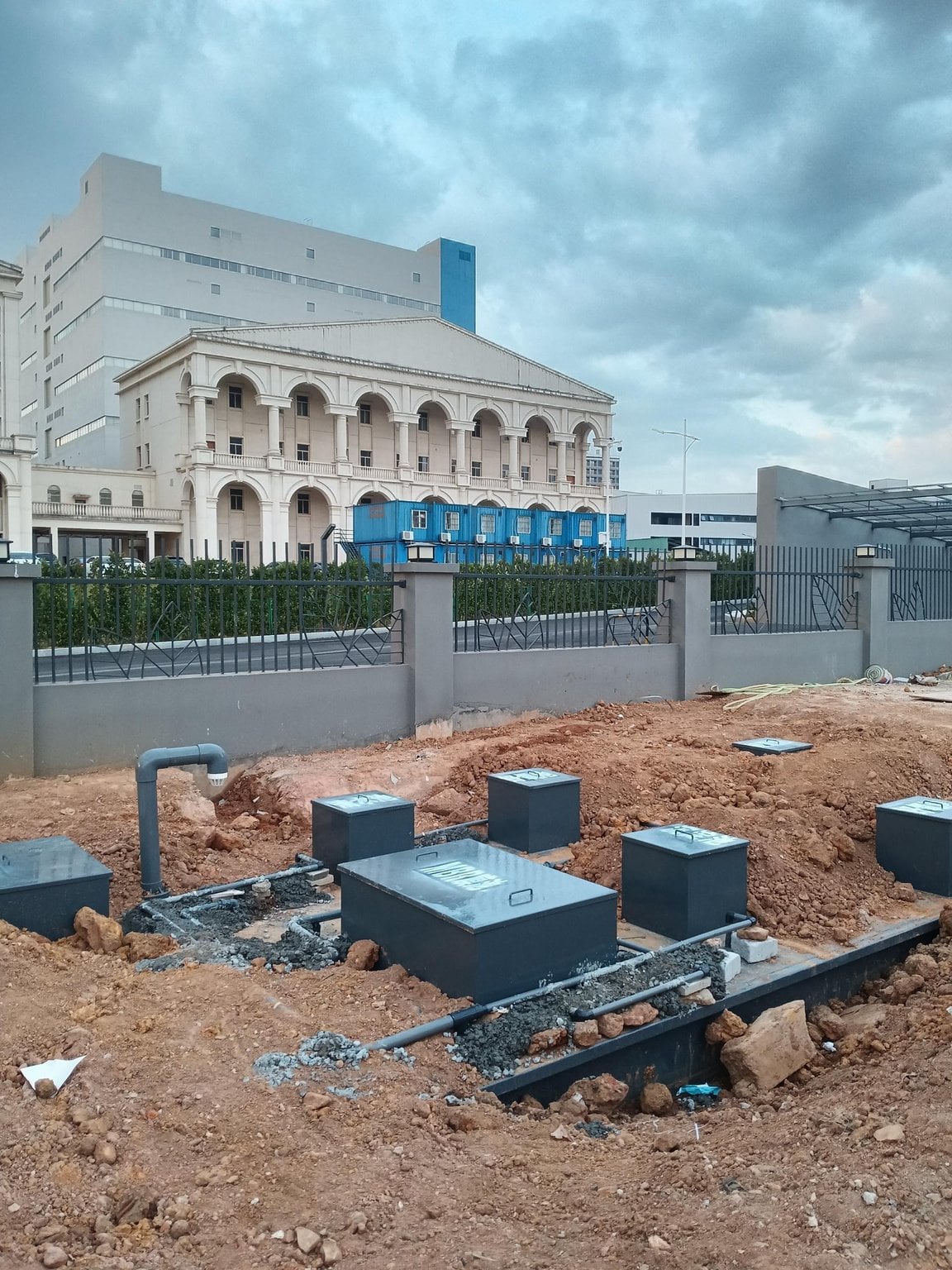
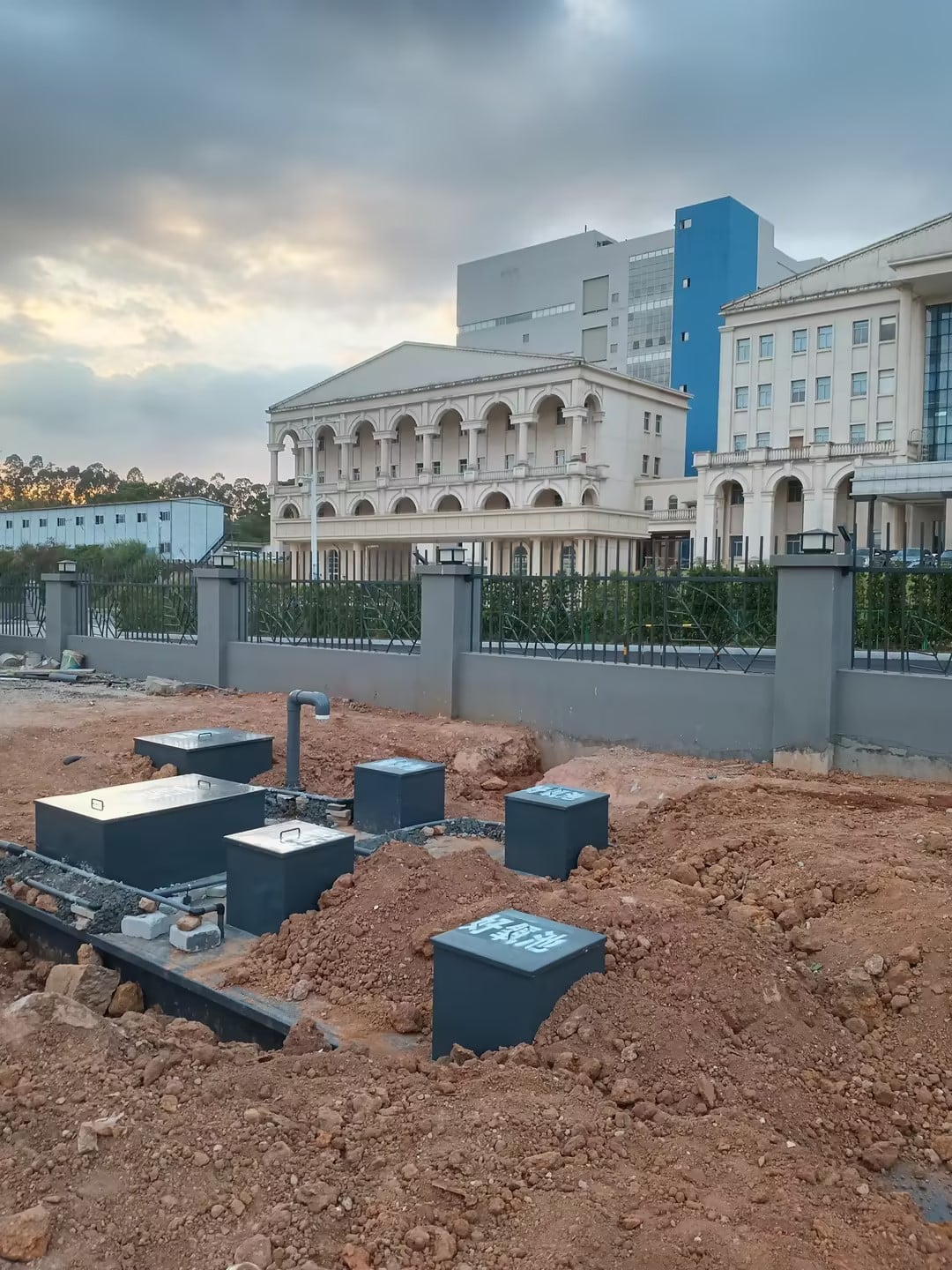
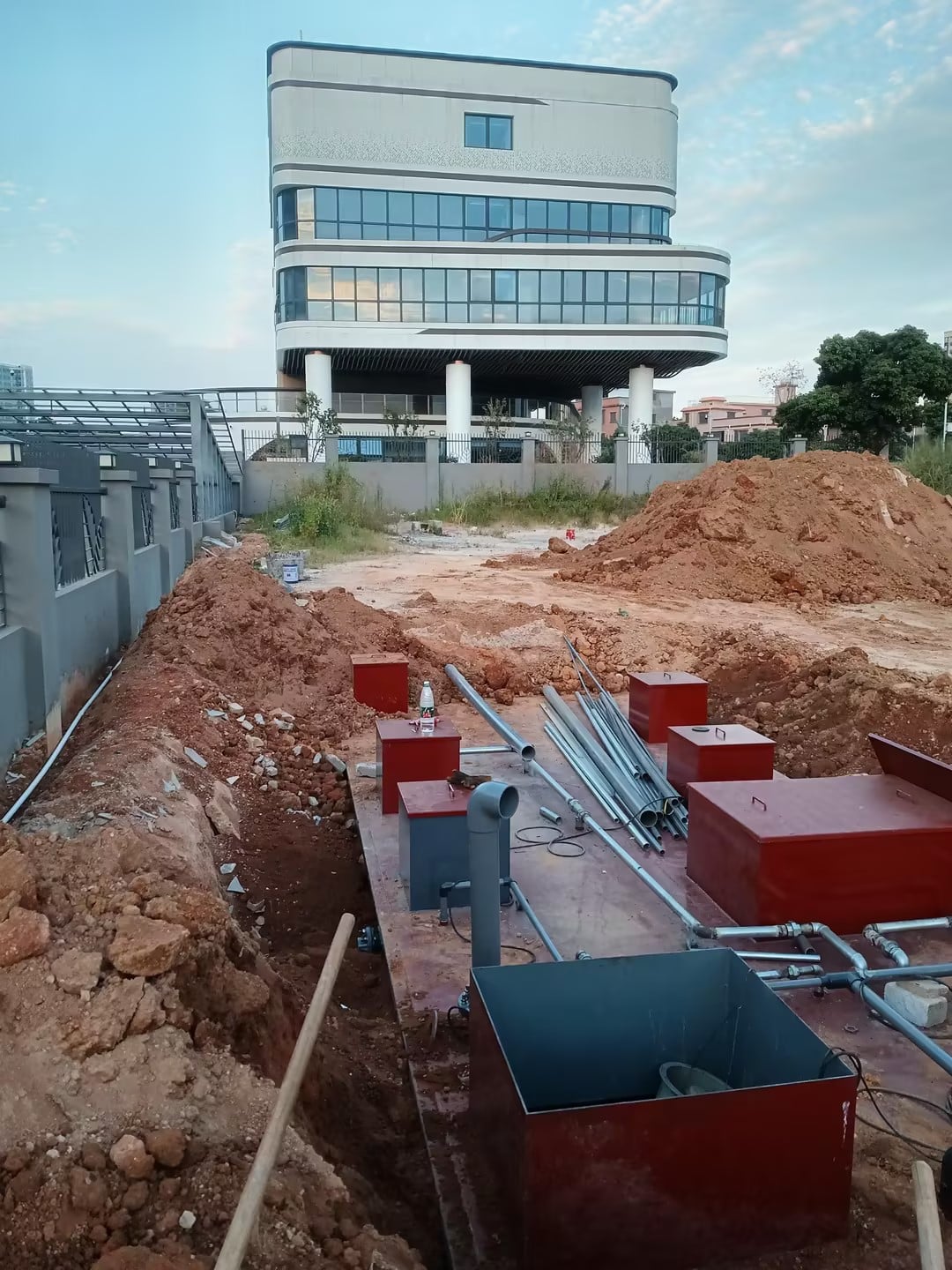
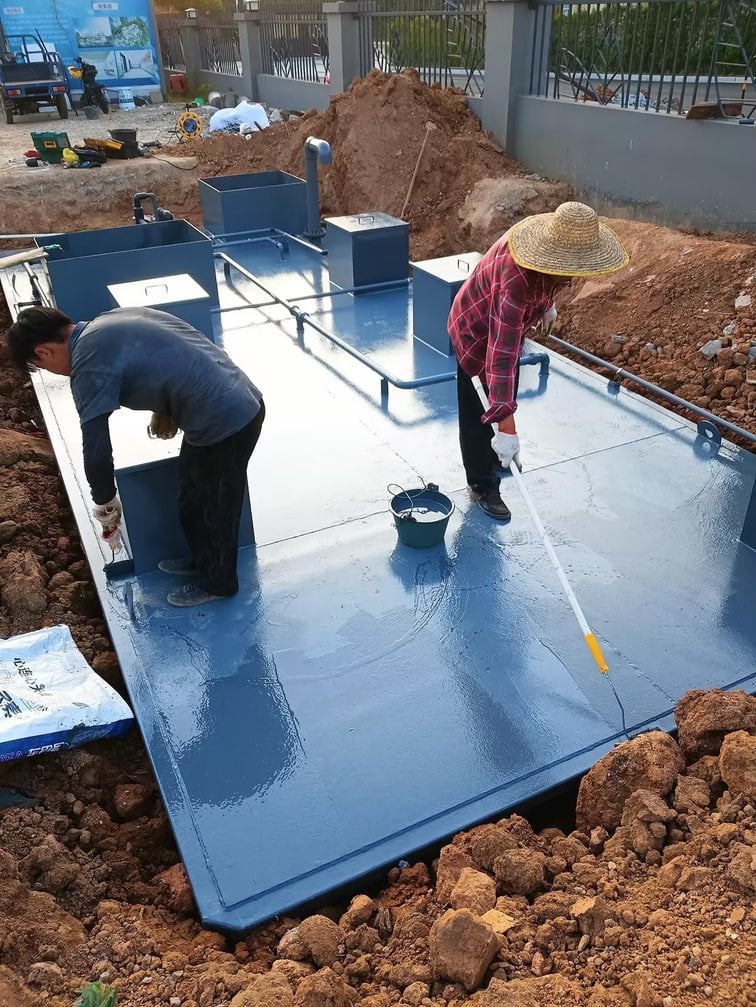
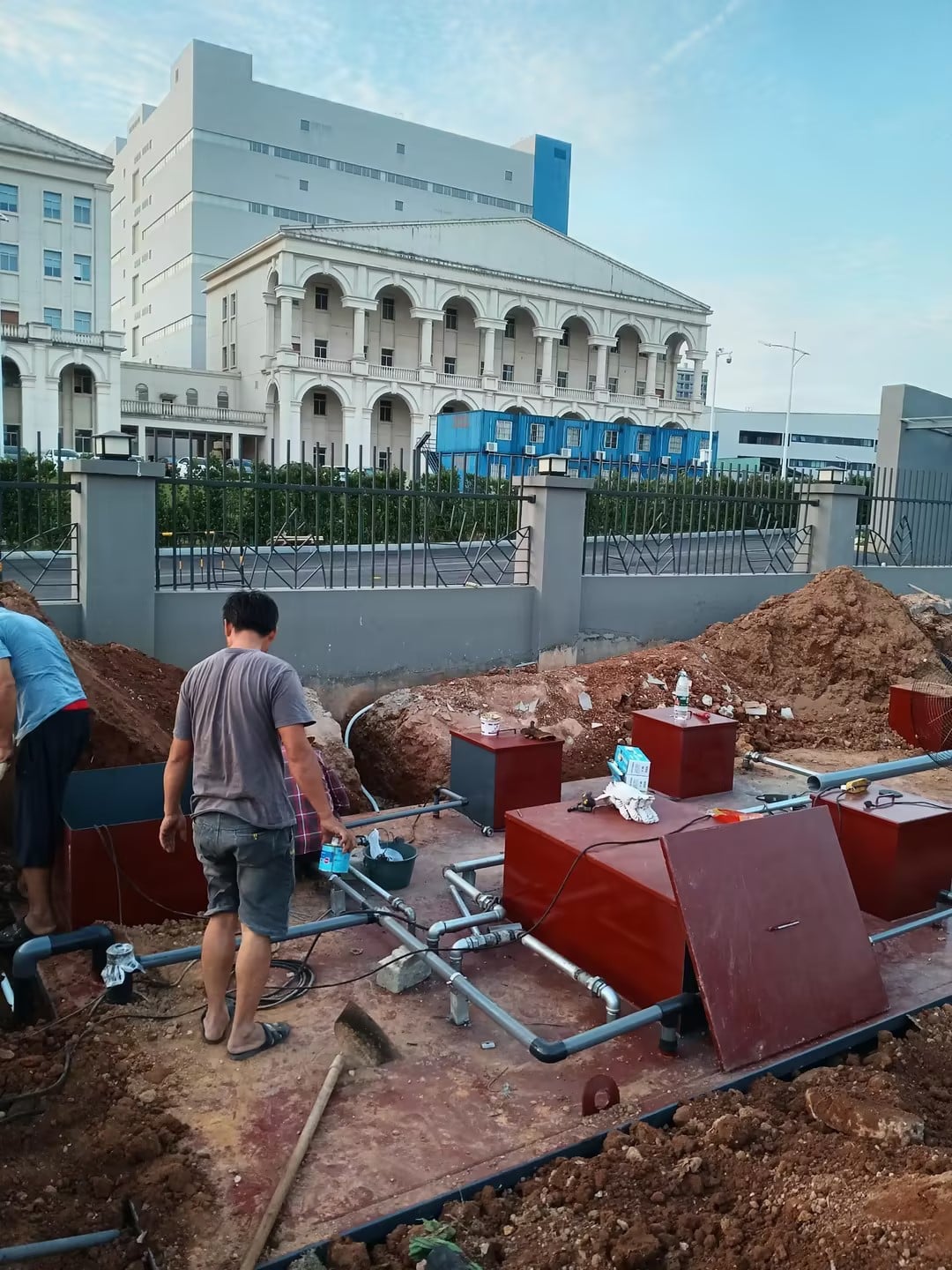
This project was implemented for a medical facility located in Songshan Lake, Dongguan, with a designed treatment capacity of 40 m³/day. The integrated enclosed wastewater treatment system was customized for wastewater generated from outpatient services, inpatient facilities, medical equipment cleaning, and laboratory-related activities.
The system strictly follows medical wastewater treatment requirements and adopts a proven treatment process:
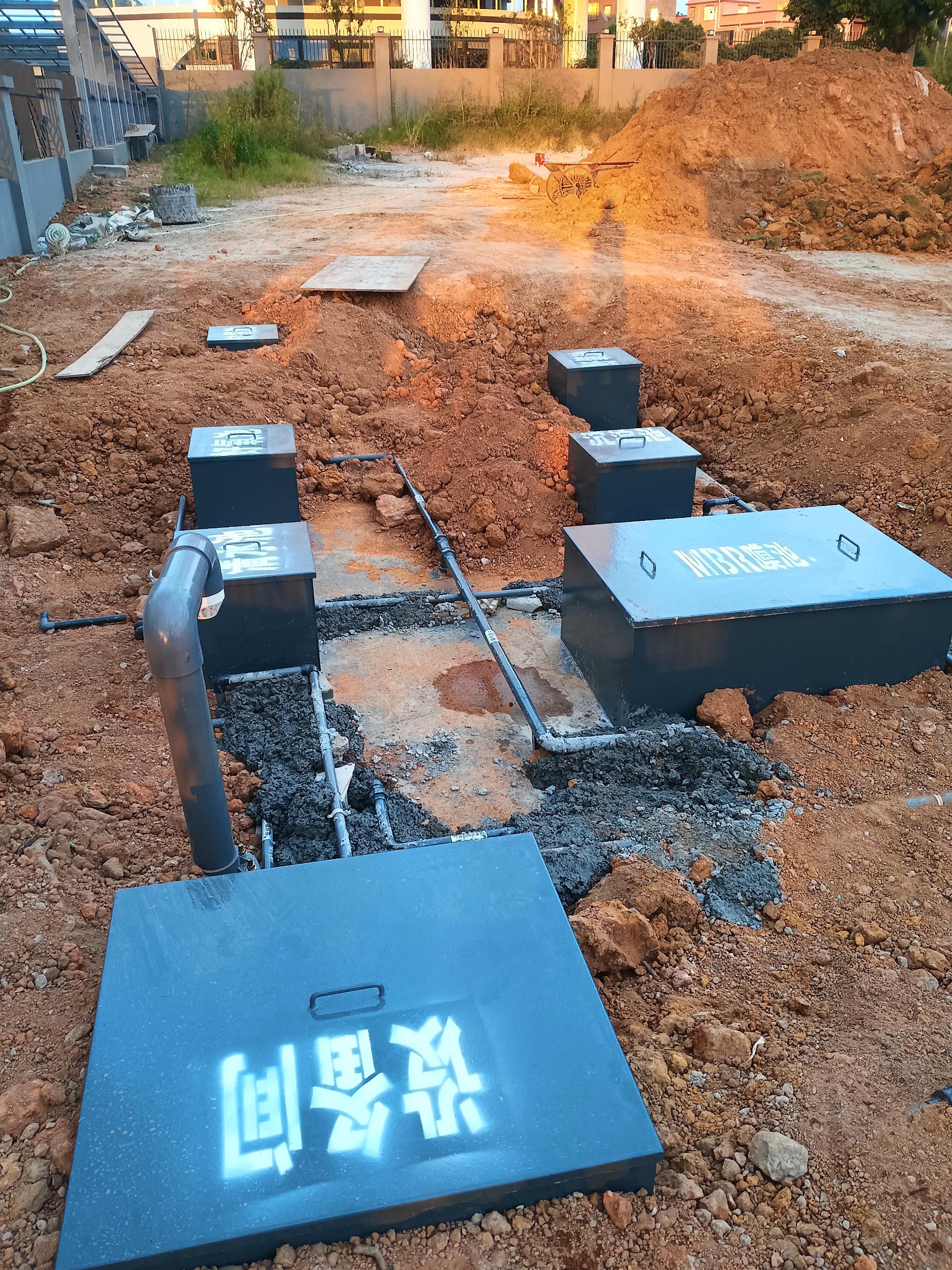
Wastewater Collection → Mechanical Screening → Septic Tank Pretreatment → Equalization Tank → Biological Contact Oxidation → Inclined Tube Sedimentation → Fine Filtration → Chlorine Dioxide Disinfection → Standard-Compliant Discharge
The system is specifically designed to address the characteristics of medical wastewater, including:
It effectively removes:
The equipment adopts a buried, fully enclosed structure featuring:
The system is equipped with a fully automatic PLC control platform and is designed to meet the discharge requirements of GB18466 – Discharge Standard of Water Pollutants for Medical Organizations.
 |
 |
 |
This medical wastewater treatment system is suitable for:
It is specifically designed to treat:
The system is ideal for:
It meets the requirements of healthcare facilities seeking reliable operation, effective disinfection, and simplified maintenance.
 |
 |
 |
Medical facilities in the Songshan Lake area of Dongguan generate approximately 40 tons of medical wastewater per day from outpatient services, medical operations, staff activities, and equipment disinfection processes.
Unlike conventional domestic wastewater, medical wastewater contains large quantities of pathogenic microorganisms, trace pharmaceutical residues, organic pollutants, and suspended solids. It is characterized by:
Due to Dongguan's subtropical and humid climate, untreated medical wastewater can accelerate microbial growth and odor generation. Direct discharge without effective disinfection treatment may result in pathogen transmission, environmental contamination, and regulatory non-compliance, creating risks for both public health and healthcare facility operations.
Based on the requirements of small-scale medical wastewater treatment, intermittent discharge patterns, and limited site availability, BenePur developed a dedicated medical wastewater treatment solution integrating pretreatment, biological purification, solid-liquid separation, and advanced disinfection.
Collected wastewater first passes through a mechanical screening unit, which removes gauze, solid waste, floating debris, and other large particles to prevent downstream equipment blockage.
The screened wastewater then enters the septic tank pretreatment stage, where anaerobic sedimentation and biological decomposition remove a significant portion of suspended solids and high-molecular-weight organic compounds, providing initial purification.
The pretreated wastewater flows into the equalization tank, where fluctuations caused by peak medical activity and off-peak periods are balanced. This ensures stable operating conditions and protects downstream treatment units from hydraulic shock loads.
The biological contact oxidation process then utilizes highly active microbial communities to efficiently degrade organic pollutants and residual pharmaceutical compounds, reducing overall pollutant concentration.
After biological treatment, the inclined tube sedimentation tank performs solid-liquid separation, removing settled sludge and fine suspended particles. The clarified water undergoes fine filtration for further purification.
The final treatment stage applies chlorine dioxide advanced disinfection technology, effectively eliminating pathogenic microorganisms such as E. coli and other harmful bacteria, ensuring reliable public health protection.
The entire system features enclosed operation, odor prevention, high automation, and minimal maintenance requirements, making it highly suitable for healthcare facilities with limited operating personnel.
Since commissioning, the project has continuously treated 40 m³/day of medical wastewater, maintaining stable compliance with discharge requirements. The system has successfully resolved challenges related to pathogen control, wastewater pollution, and odor concerns, while supporting standardized and environmentally compliant wastewater management for healthcare facilities in Dongguan.
 |
 |
 |

 EN