
benepur-35-m/day-pharmaceutical-wastewater-treatment-system-for-high-cod-effluent, benepur-35-m/day-pharmaceutical-wastewater-treatment-system-for-high-cod-effluent, /case-studies
EN
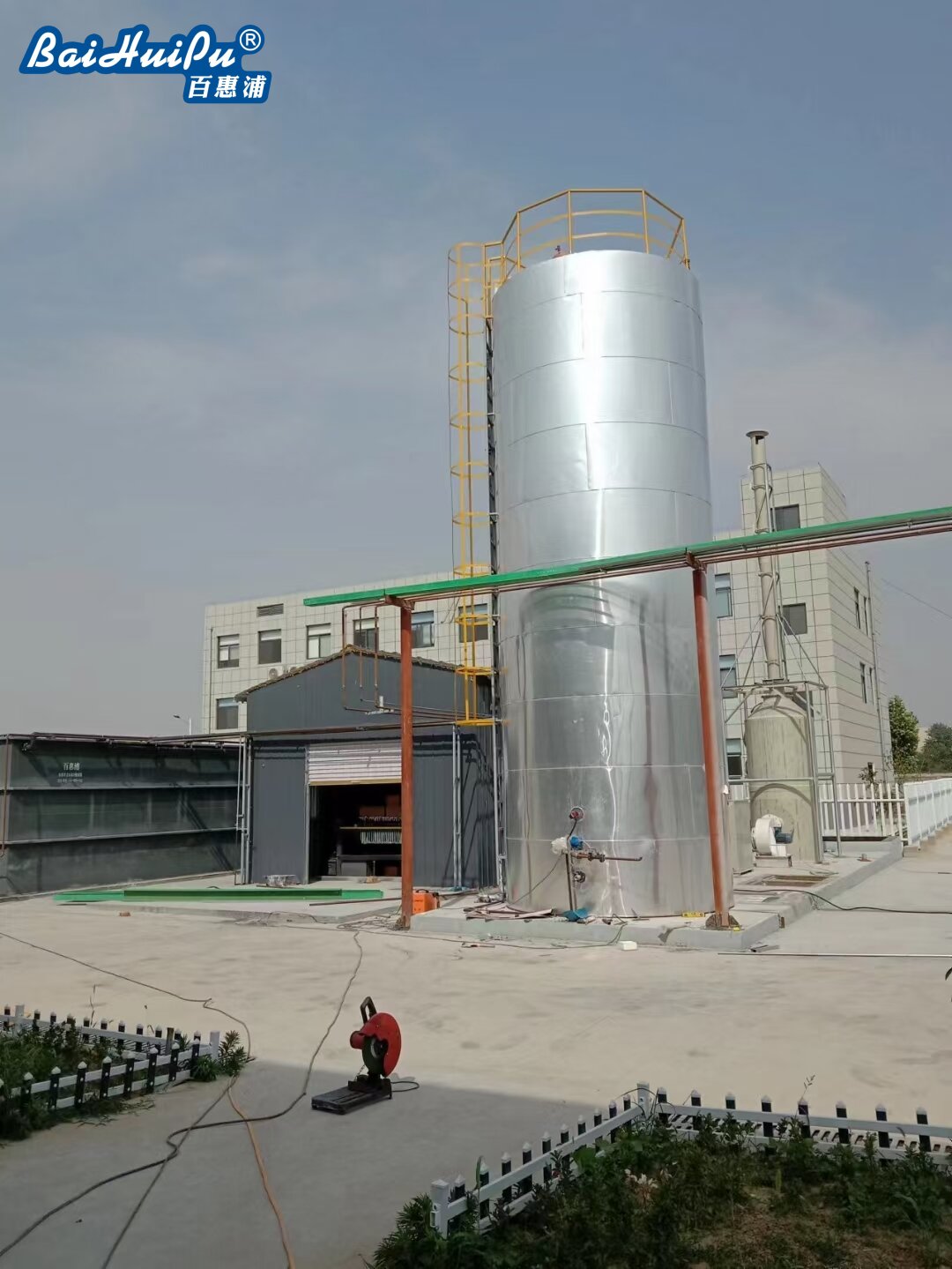
Designed with equalization, micro-electrolysis, Fenton oxidation, hydrolytic acidification, AO biological treatment, and advanced filtration for efficient removal of high-COD pharmaceutical wastewater, ensuring stable compliance with discharge standards.
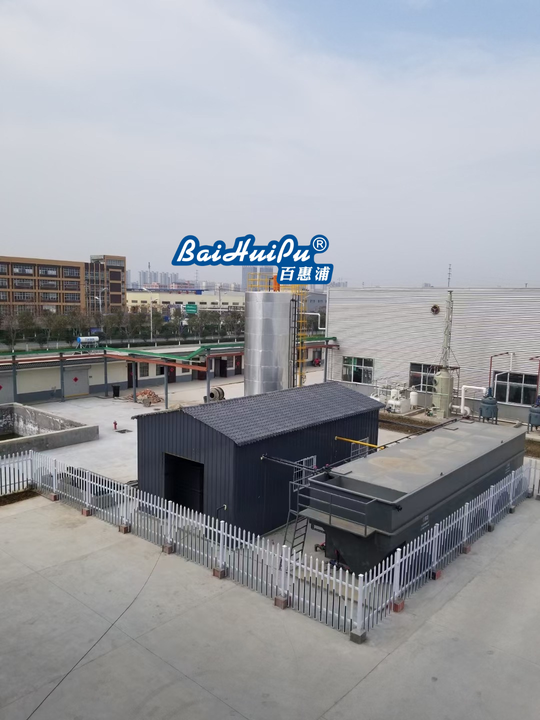
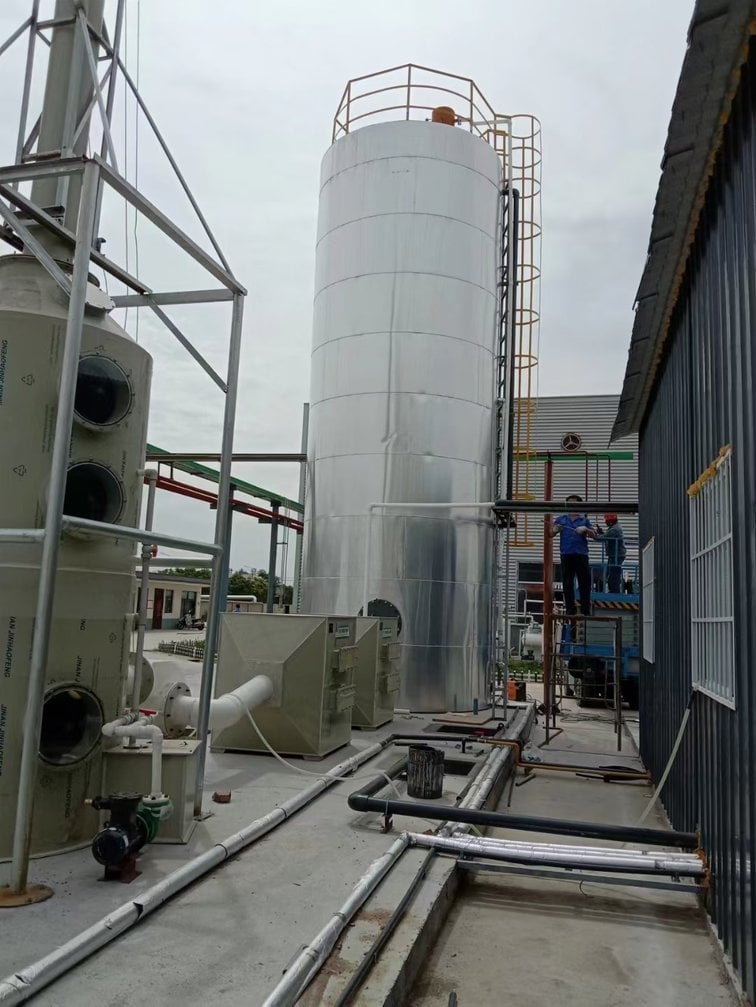
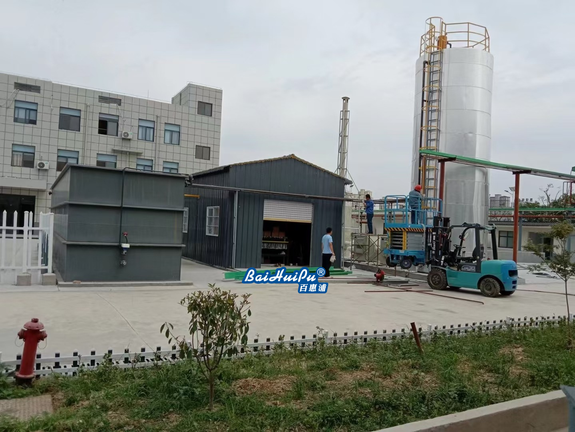
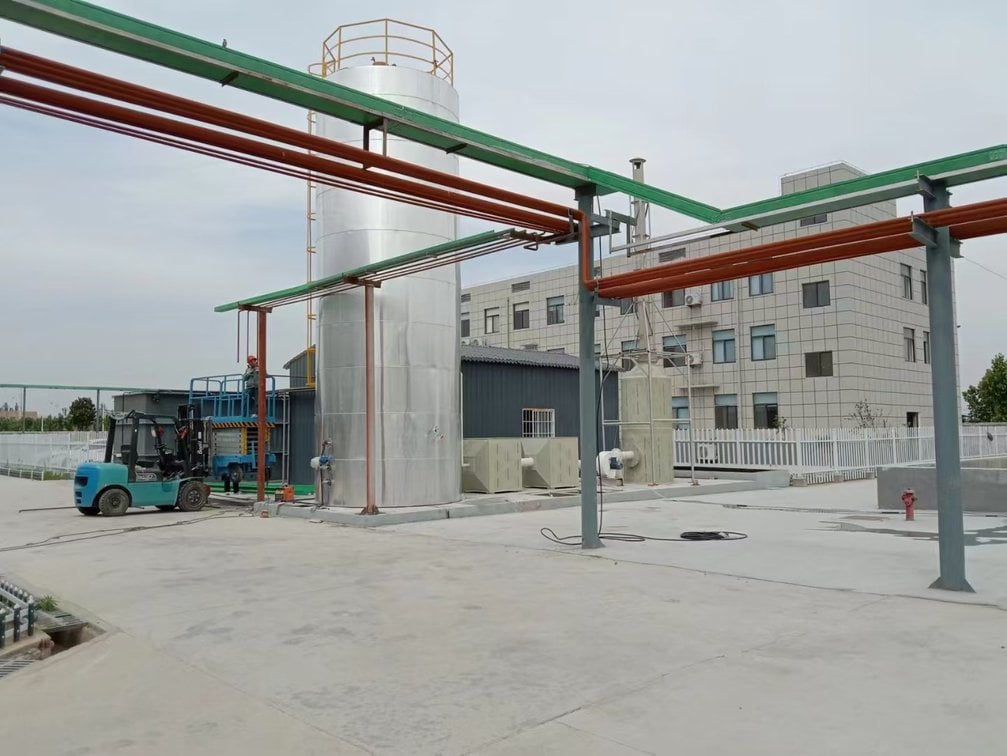
This project was implemented for a pharmaceutical manufacturing facility in Fuyang, Anhui Province, with a designed treatment capacity of 35 m³/day. The integrated wastewater treatment system is specifically engineered to handle wastewater generated from pharmaceutical production, equipment cleaning, and workshop washing operations.
The treatment process adopts a proven pharmaceutical wastewater treatment technology:
Wastewater Collection → Mechanical Bar Screen → Equalization Tank → Micro-Electrolysis + Fenton Oxidation → Hydrolytic Acidification → AO Biological Treatment (Anaerobic + Aerobic) → Secondary Sedimentation → Advanced Filtration → Disinfection → Standard-Compliant Discharge
The system effectively addresses common challenges associated with pharmaceutical wastewater, including:
Advanced oxidation technology breaks down refractory organic compounds, reduces wastewater toxicity, and significantly improves biodegradability prior to biological treatment.
The entire system features a compact skid-mounted design with a small installation footprint, making it ideal for facilities with limited available space. An intelligent PLC control system provides:
The treated effluent complies with applicable pharmaceutical industry wastewater discharge requirements.
|
 |
 |
This integrated wastewater treatment system is suitable for:
It is an ideal solution for:
The system is especially suitable for pharmaceutical manufacturers operating with intermittent production schedules that require low-maintenance operation and consistent discharge compliance.
 |
 |
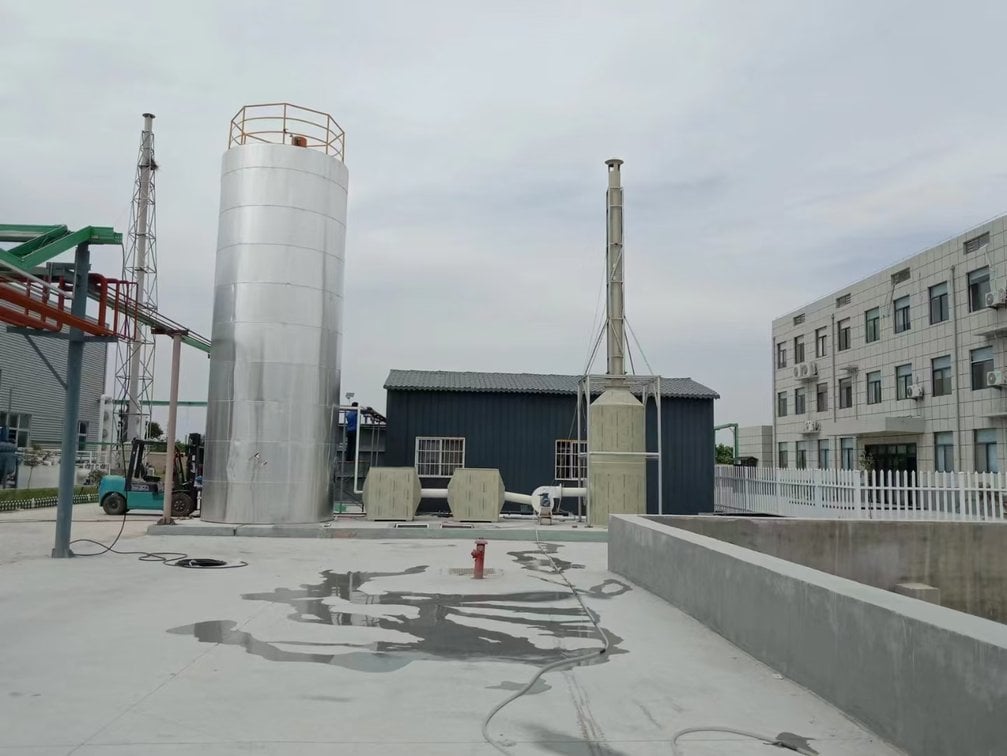 |
The pharmaceutical manufacturing facility in Fuyang, Anhui, generates approximately 35 cubic meters of industrial wastewater per day during routine production activities.
Unlike municipal wastewater, pharmaceutical wastewater contains residual pharmaceutical compounds, complex organic contaminants, colored substances, and trace toxic chemicals. It is characterized by high COD levels, poor biodegradability, significant fluctuations in wastewater quality, and resistance to natural degradation.
Because pharmaceutical production is typically batch-based, wastewater generation varies considerably throughout the production cycle, creating substantial hydraulic and organic shock loads. Conventional biological treatment systems alone often struggle to achieve stable pollutant removal, resulting in incomplete degradation, excessive effluent color, and non-compliant discharge quality.
Untreated or inadequately treated pharmaceutical wastewater may cause serious environmental pollution while exposing manufacturers to regulatory risks and operational restrictions.
To address the customer's requirements for low-volume, high-strength, intermittent wastewater treatment, BenePur developed a dedicated physicochemical detoxification + biological degradation + advanced polishing treatment solution.
Wastewater is first collected and screened to remove coarse suspended solids before entering the equalization tank, where both flow rate and water quality are balanced to minimize shock loading on downstream treatment units.
The wastewater then undergoes micro-electrolysis combined with Fenton advanced oxidation, where powerful oxidation reactions break down refractory organic molecules, reduce toxicity, remove color, and significantly improve biodegradability for subsequent biological treatment.
Next, the wastewater enters the hydrolytic acidification tank, where large organic molecules are converted into smaller biodegradable compounds, further enhancing treatment efficiency.
The pretreated wastewater is subsequently processed through an AO biological treatment system, utilizing acclimated microbial communities to efficiently remove residual COD and biodegradable organic pollutants while achieving stable wastewater purification.
Following biological treatment, secondary sedimentation separates activated sludge from the treated water. The clarified effluent is then polished through advanced filtration before final disinfection to eliminate remaining contaminants and ensure reliable discharge quality.
The entire treatment system operates automatically with minimal operator intervention. Its intelligent control system, robust resistance to hydraulic and organic shock loads, and simple maintenance requirements make it particularly suitable for pharmaceutical manufacturing facilities with intermittent production schedules.
Since commissioning, the system has consistently achieved stable discharge compliance, effectively resolving problems related to excessive COD, high effluent color, and environmental compliance risks. The project has enabled the customer to maintain reliable, environmentally responsible production while supporting sustainable manufacturing operations in Anhui's pharmaceutical industry.

 EN