
benenv-shanxi-lithium-battery-coating-wastewater-treatment-project, benenv-shanxi-lithium-battery-coating-wastewater-treatment-project, /case-studies
EN
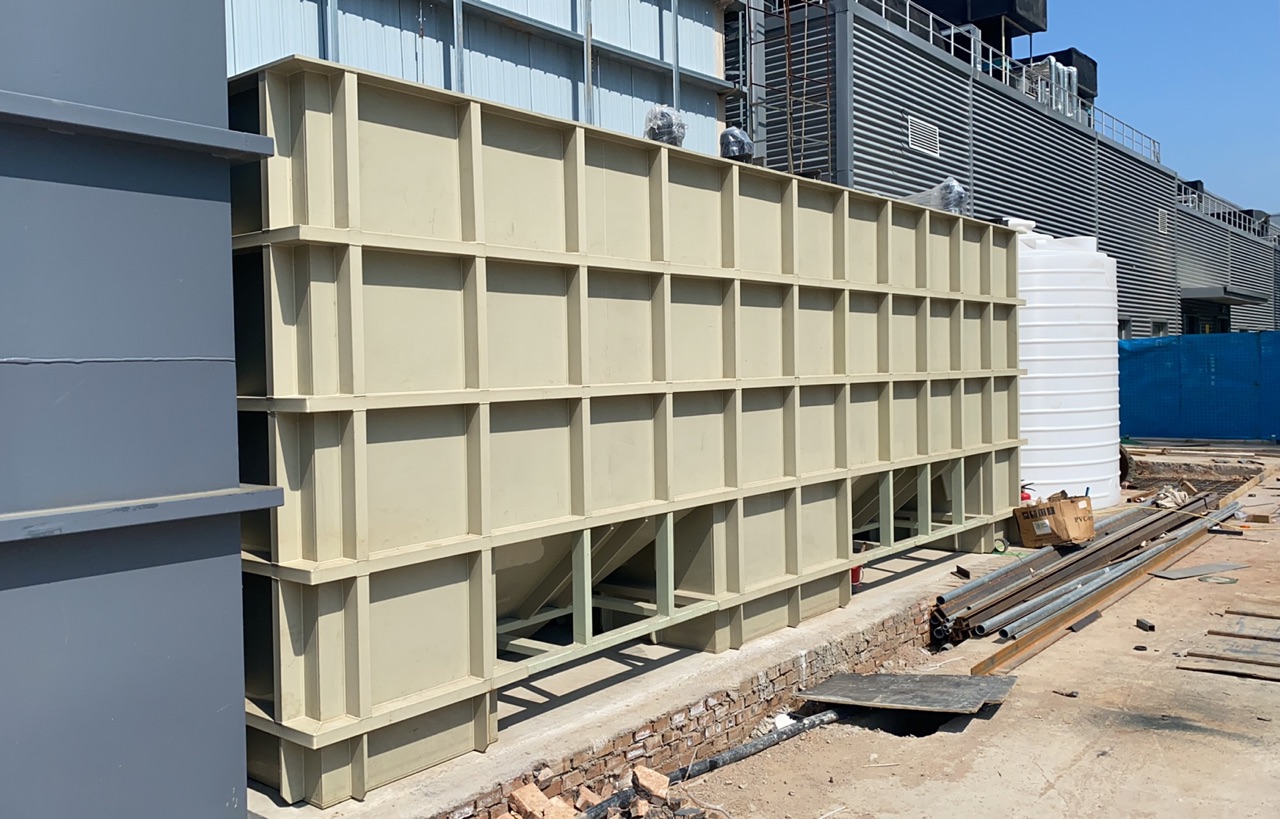
An integrated treatment solution combining equalization, Fenton advanced oxidation, coagulation & sedimentation, and biological filtration to treat high-COD, viscous colloidal battery coating wastewater, efficiently degrading organic pollutants and ensuring stable compliance for continuous lithium battery production.
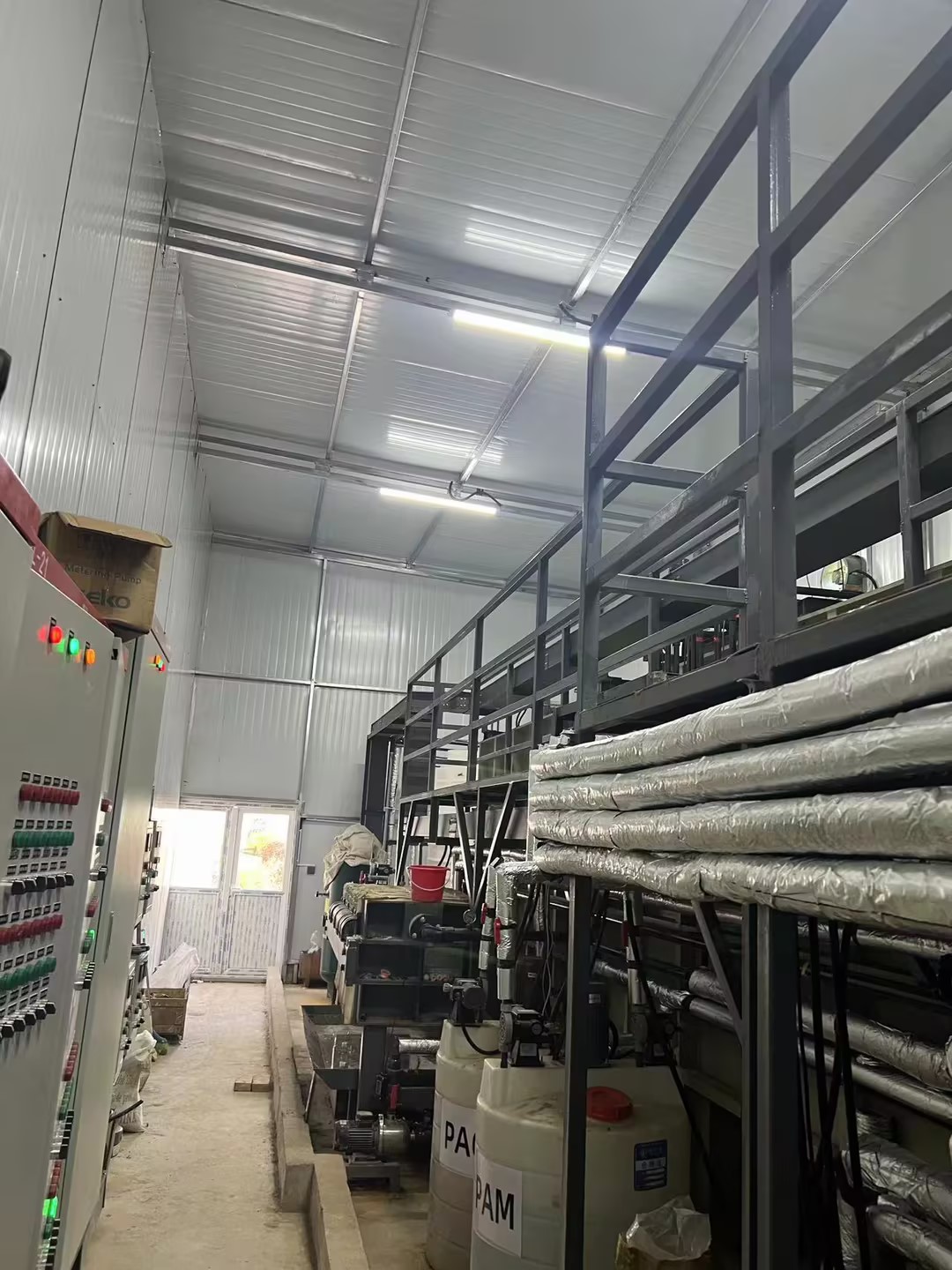
This project was implemented at a new energy battery manufacturing facility in Shanxi Province, providing a customized wastewater treatment system specifically designed for wastewater generated from electrode coating, equipment cleaning, and slurry residue washing. The system is engineered to accommodate intermittent wastewater discharge, significant fluctuations in water quality, and high concentrations of organic contaminants while consistently meeting the wastewater discharge standards for the new energy industry in Shanxi.
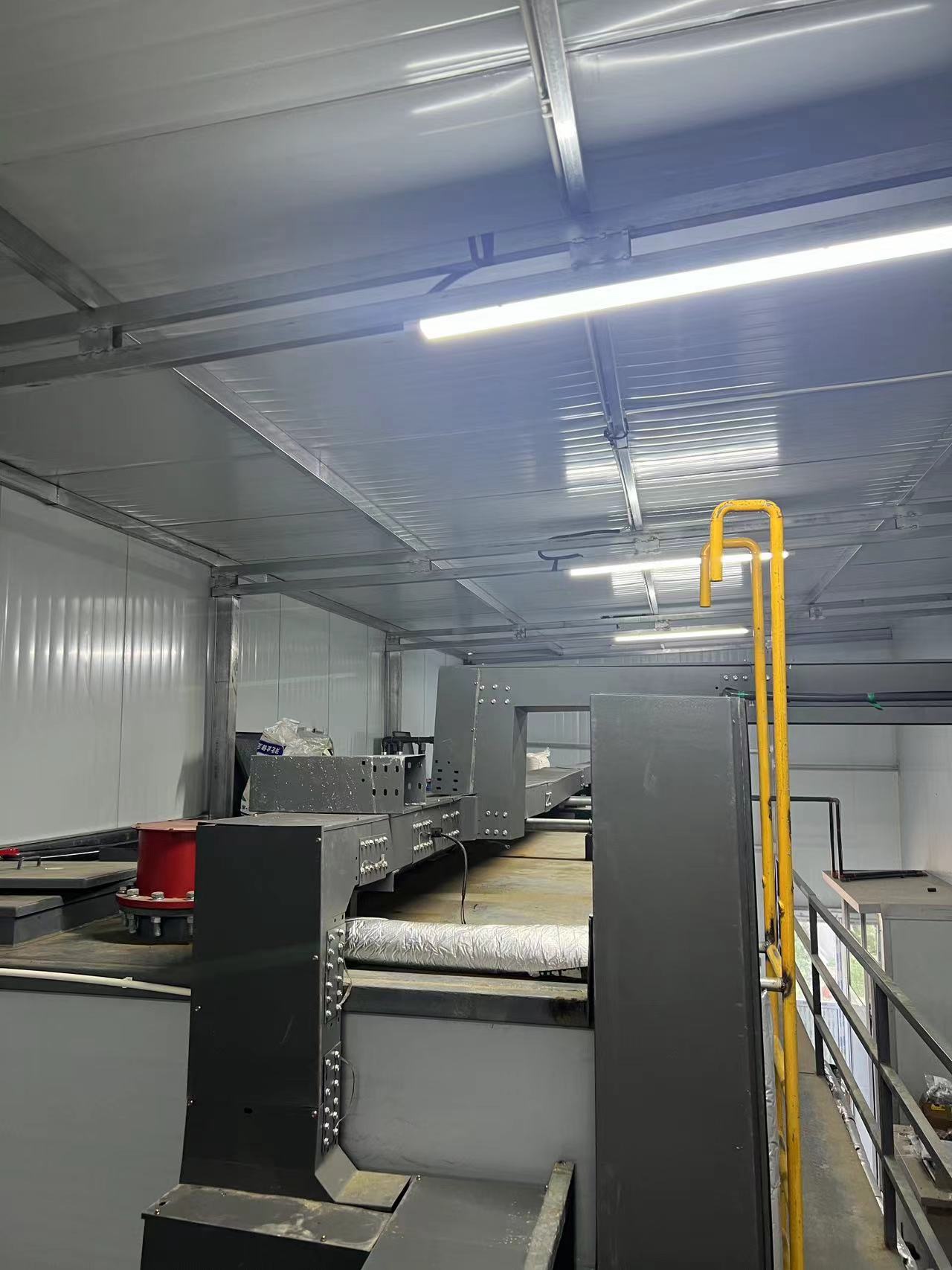
Coating Wastewater Collection → Equalization Tank → pH Adjustment → Fenton Advanced Oxidation → Coagulation & Flocculation Sedimentation → Hydrolytic Acidification → Contact Oxidation Biological Treatment → Sand & Activated Carbon Filtration → Compliant Discharge
The system is specifically designed to remove key contaminants found in lithium battery coating wastewater, including:
The process effectively reduces:
The system is well suited for highly automated lithium battery manufacturing facilities requiring reliable long-term operation with minimal operator intervention.
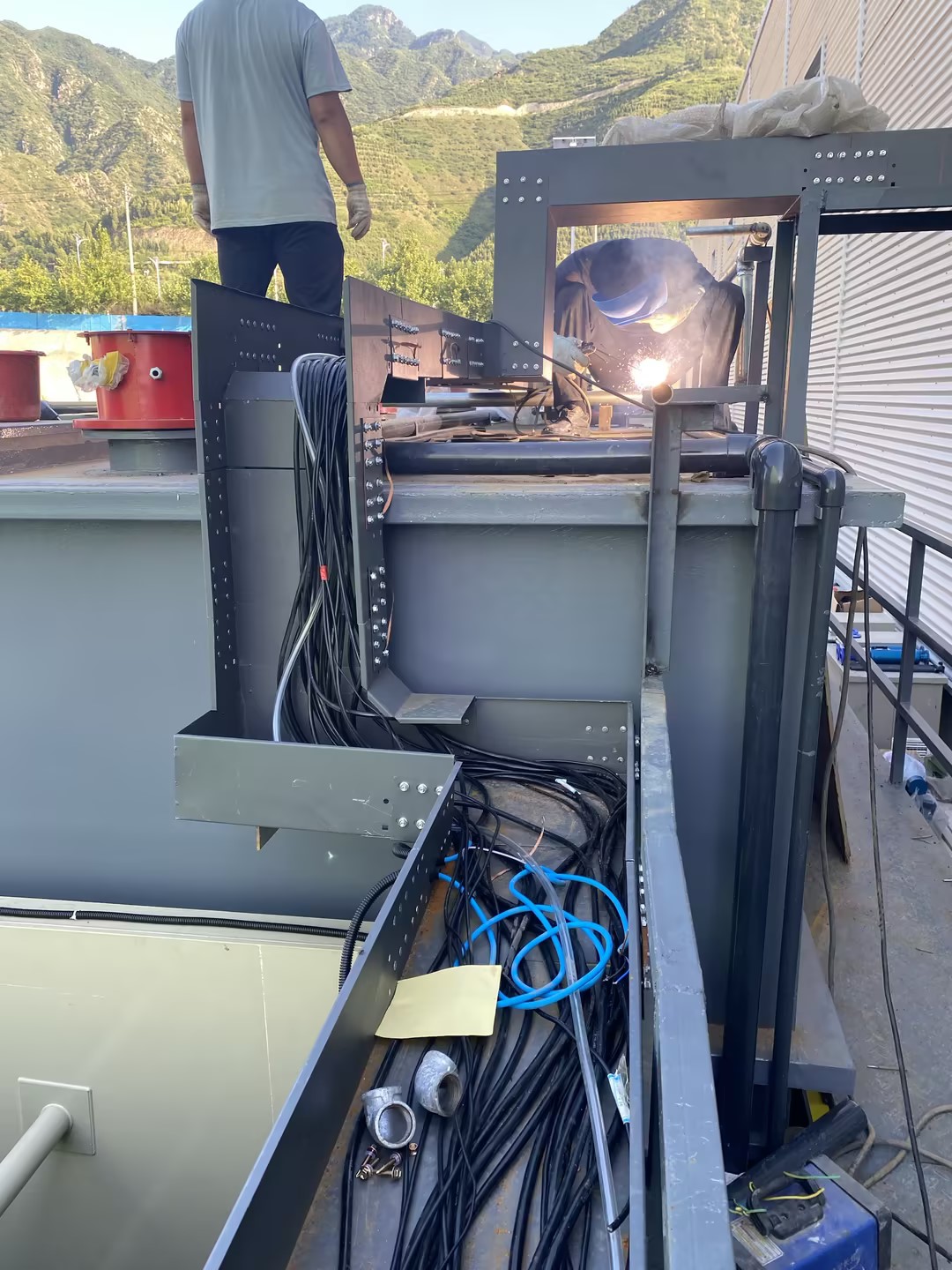
This wastewater treatment solution is suitable for lithium battery manufacturers throughout Shanxi Province and North China, particularly for wastewater generated from:
Lithium battery coating wastewater is recognized as one of the industry's most challenging organic wastewater streams due to its:
The system is ideal for:
It fully supports the increasingly stringent environmental regulations governing the new energy industry in North China.
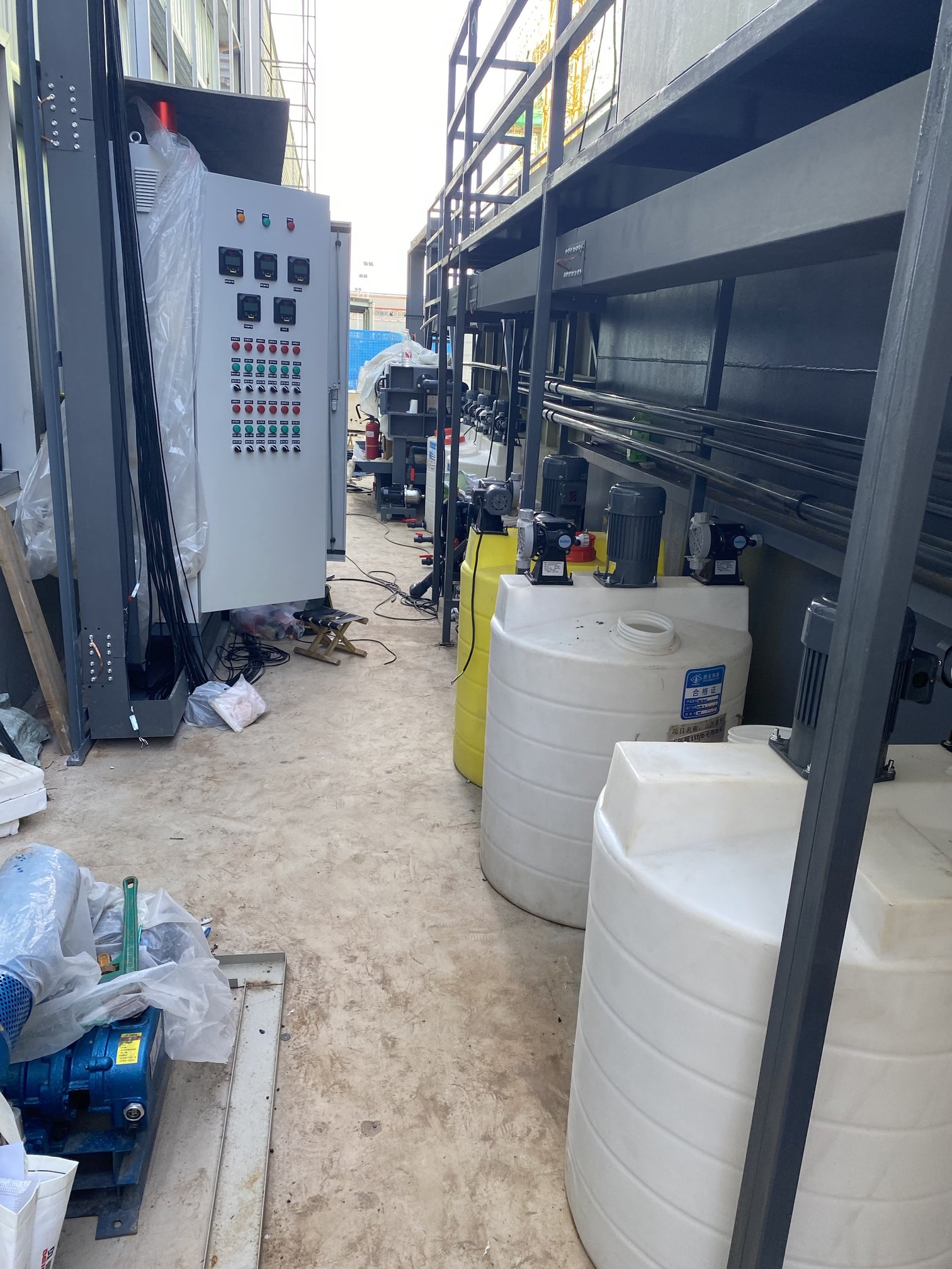
Shanxi has become an important manufacturing base for lithium battery electrode materials and coating processes in North China. During electrode coating, equipment cleaning, and slurry removal operations, large volumes of specialized coating wastewater are continuously generated.
Unlike conventional industrial wastewater, coating wastewater contains high concentrations of NMP solvent, PVDF polymer binders, graphite conductive slurry, and fine electrode particles. It is characterized by high viscosity, complex organic composition, poor biodegradability, and extremely high COD levels, making conventional wastewater treatment technologies insufficient for effective pollutant removal.
If discharged without proper treatment, this wastewater can cause pipeline blockage, biological treatment system failure, severe COD exceedances, discoloration of receiving waters, and significant environmental compliance risks that may disrupt normal plant operations.
Based on the wastewater characteristics, continuous production conditions, and local environmental regulations in Shanxi, Benenv developed a dedicated, high-stability treatment solution specifically for lithium battery coating wastewater.
Wastewater from production lines is first collected through a dedicated pipeline network before entering the equalization tank, where fluctuations in flow rate and pollutant concentration are balanced. This minimizes hydraulic shock loads caused by intermittent production and ensures stable operation of downstream treatment units.
The wastewater then undergoes precise pH adjustment to establish optimal reaction conditions for advanced oxidation. The Fenton Advanced Oxidation process subsequently breaks down refractory high-molecular-weight organic compounds, decomposes persistent solvents and polymer binders, significantly improves biodegradability, and greatly reduces the COD load before biological treatment.
Following oxidation, specialized coagulants and flocculants are added to capture viscous colloids, suspended slurry particles, and residual organic contaminants. These pollutants aggregate into dense flocs that are efficiently removed through sedimentation, achieving effective solid-liquid separation and eliminating the majority of suspended and colloidal pollutants.
The pretreated wastewater then enters the hydrolytic acidification and contact oxidation biological treatment units, where specially selected microorganisms further degrade remaining low-molecular-weight organic compounds, improving overall water quality and stabilizing key discharge parameters.
Finally, the treated water passes through sand filtration and activated carbon filtration, which remove trace suspended impurities, residual color, and odors, producing clear, stable effluent that consistently meets environmental discharge requirements.
The entire treatment system features a high degree of automation, strong resistance to contamination, excellent anti-clogging performance, and simplified maintenance, making it ideally suited for continuous lithium battery coating production lines.
Since commissioning, the project has successfully resolved the wastewater treatment challenges associated with lithium battery coating operations, enabling long-term environmental compliance, reducing operating costs and energy consumption, and serving as a benchmark project for lithium battery coating wastewater treatment across North China.

 EN