
benenv-600-tpd-battery-wastewater-treatment-system-for-new-energy-plants-in-shandong, benenv-600-tpd-battery-wastewater-treatment-system-for-new-energy-plants-in-shandong, /case-studies
EN
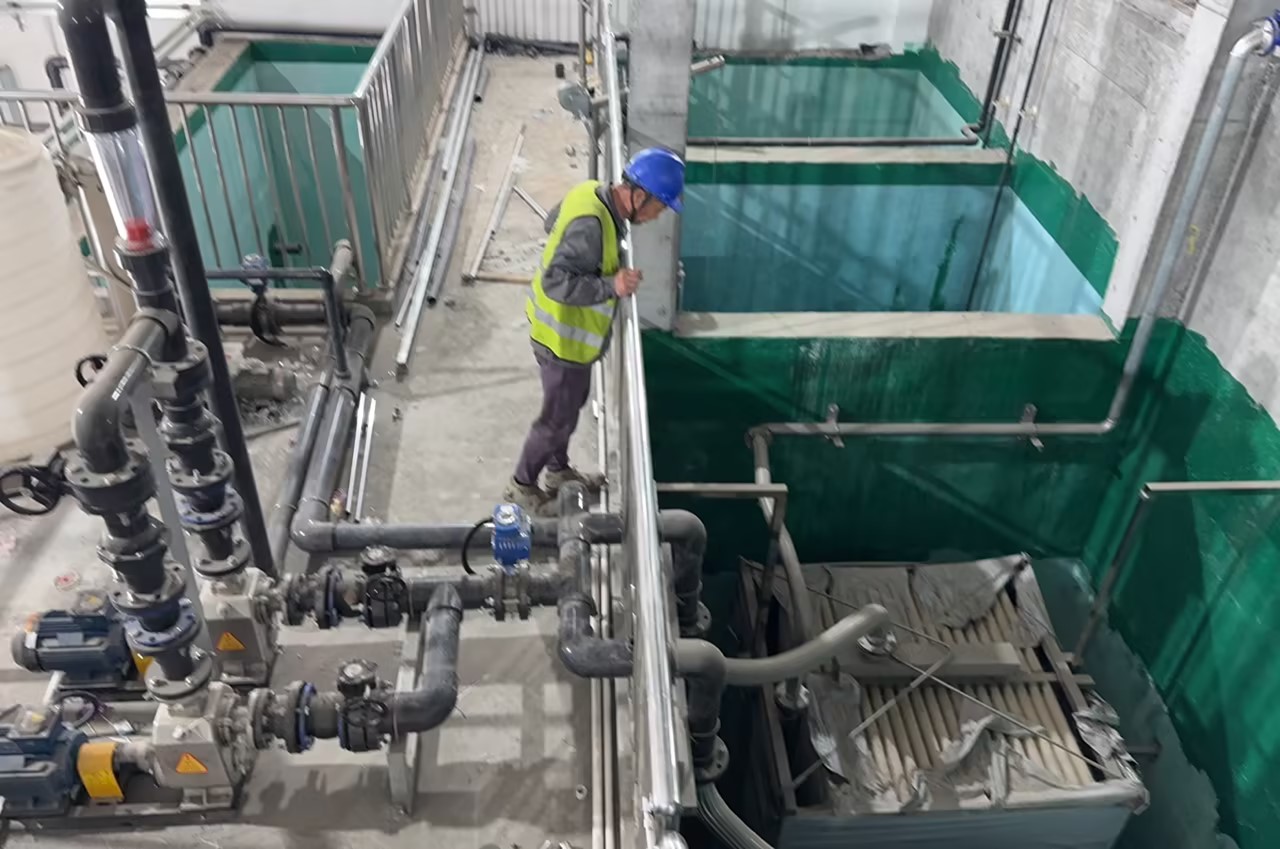
Featuring source-separated pretreatment, Fenton oxidation, UASB anaerobic treatment, dual-stage A/O biological treatment, and MBR membrane filtration to treat 600 TPD of lithium battery wastewater with efficient heavy metal, fluoride, and COD removal for stable regulatory compliance.
This project was custom engineered for a large-scale lithium battery manufacturing industrial park in Shandong Province, with a design treatment capacity of 600 m³/day. The system is designed to treat complex wastewater generated from electrode sheet cleaning, electrolyte residues, equipment washing, and battery manufacturing processes.
Wastewater Collection by Source → pH Neutralization → Coagulation & Heavy Metal Chelation → Fenton Advanced Oxidation → UASB Anaerobic Reactor → Dual-Stage A/O Biological Treatment → MBR Membrane Filtration → Advanced Polishing & Compliant Discharge
The system effectively addresses the major challenges associated with lithium battery wastewater, including:
Specialized chelating chemicals efficiently remove heavy metal ions, while dedicated fluoride removal technology and multi-stage treatment significantly reduce COD, ammonia, suspended solids, and other pollutants.
The treated effluent fully complies with industrial wastewater discharge requirements applicable to large-scale battery manufacturing facilities in Shandong.
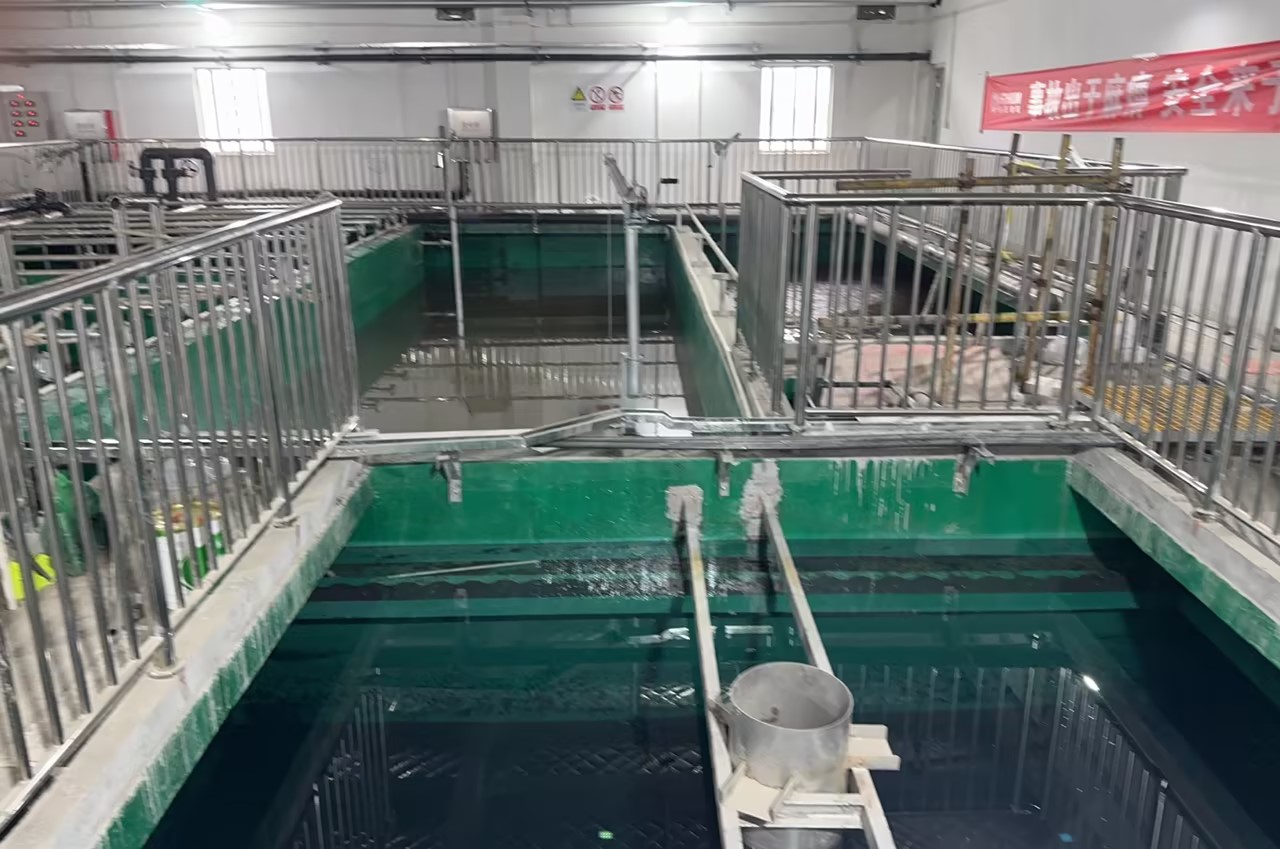
This large-scale wastewater treatment system is ideal for:
Typical applications include:
The solution is specifically designed for continuous large-scale production environments requiring stable operation and strict environmental compliance.
Shandong has become one of China's major hubs for the new energy industry, where large-scale lithium battery industrial parks generate approximately 600 cubic meters of industrial wastewater per day. Battery manufacturing wastewater is among the most challenging industrial waste streams due to its complex composition, containing electrolyte residues, lithium salts, fluoride compounds, trace heavy metals, and refractory organic solvents.
This wastewater is characterized by high toxicity, poor biodegradability, significant fluctuations in water quality, and elevated environmental risks. Without effective treatment, pollutants can accumulate in surrounding soil and water bodies, resulting in regulatory violations and restricting sustainable production expansion.
To address the project's large treatment capacity and continuously changing wastewater characteristics, Benenv developed a comprehensive multi-stage treatment solution specifically designed for high-volume battery wastewater.
Wastewater is first collected separately according to its characteristics before entering the pH adjustment system for neutralization. Coagulation and specialized heavy metal chelation chemicals are then applied to efficiently remove suspended solids, fluoride, and the majority of dissolved heavy metals through chemical precipitation, significantly reducing the pollutant load before biological treatment.
Following pretreatment, the wastewater enters the Fenton Advanced Oxidation process, where highly reactive hydroxyl radicals break down refractory organic compounds and electrolyte residues, greatly improving biodegradability.
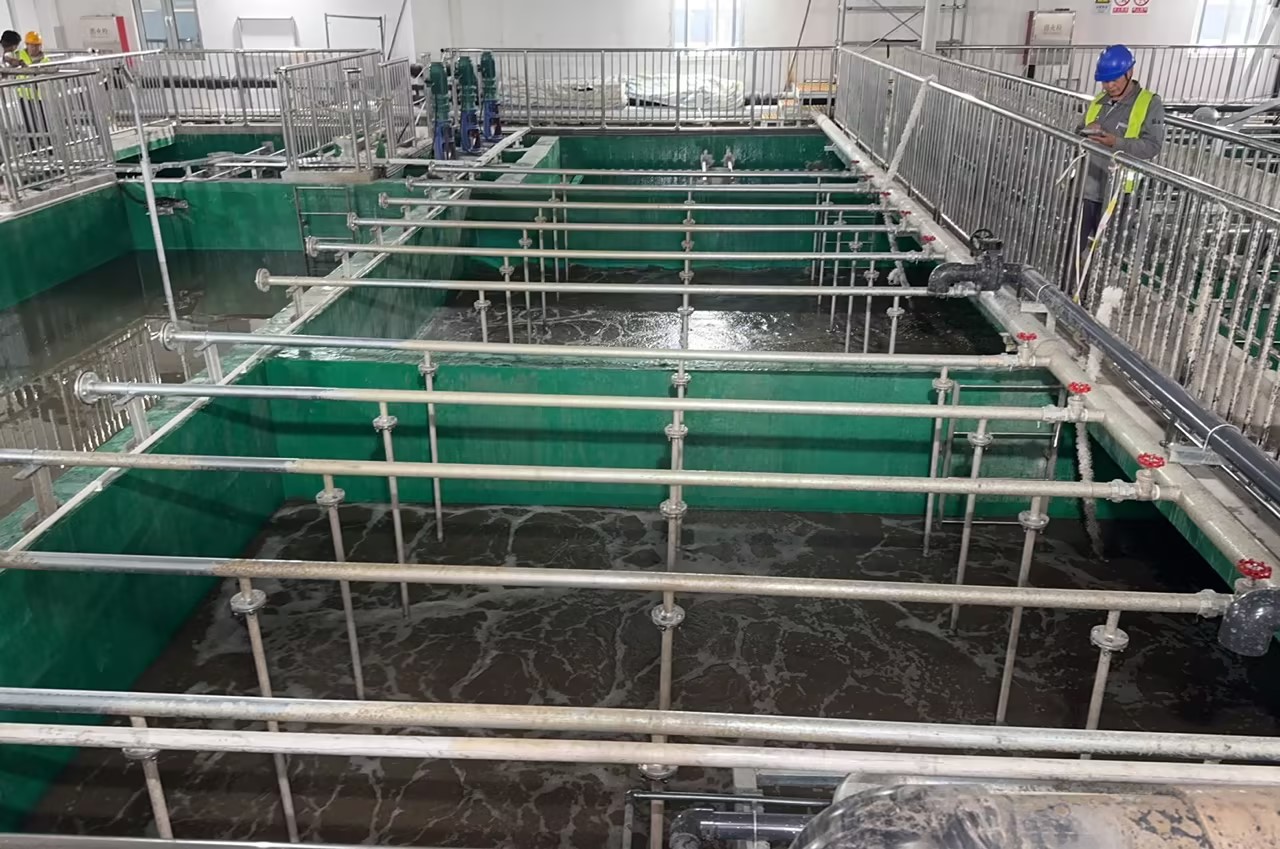
The oxidized wastewater then flows into a UASB anaerobic reactor, where high-strength COD is substantially reduced through anaerobic microbial degradation. Subsequently, the wastewater passes through a dual-stage A/O biological treatment system, where nitrification and denitrification processes effectively remove ammonia nitrogen and residual organic contaminants.
As the final polishing stage, the treated water enters the MBR membrane filtration system, which achieves highly efficient solid-liquid separation while removing remaining suspended solids and microorganisms, ensuring stable, high-quality effluent that consistently meets discharge requirements.
The complete wastewater treatment facility features highly integrated automation, coordinated multi-unit operation, and excellent resistance to hydraulic and pollutant load variations. Designed for continuous 24-hour industrial operation, the system delivers reliable long-term performance with minimal manual intervention.
Since commissioning, the project has successfully addressed the complex wastewater treatment challenges associated with large-scale lithium battery production, helping the industrial park achieve regulatory compliance, reduce environmental risks, improve wastewater management efficiency, and support the sustainable development of Shandong's rapidly growing new energy industry.

 EN