
baihuipu-1200-tpd-hospital-wastewater-treatment-system-for-luoding-general-hospital, baihuipu-1200-tpd-hospital-wastewater-treatment-system-for-luoding-general-hospital, /case-studies
EN
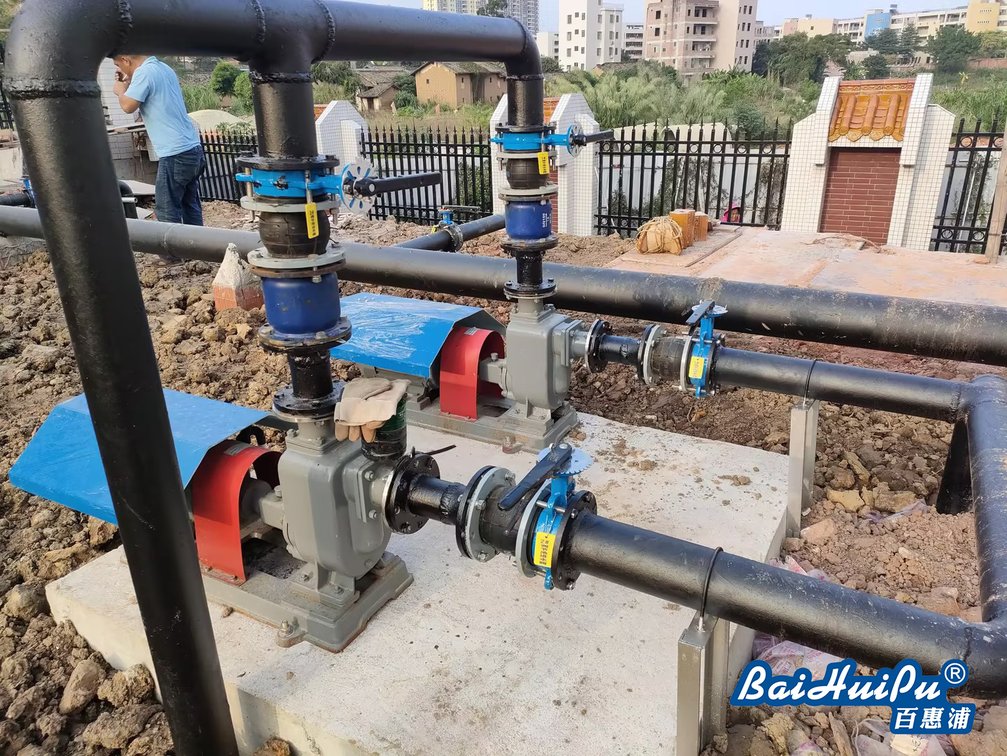
Featuring a complete process of screening, equalization, hydrolysis acidification, A/O biological treatment, secondary clarification and disinfection, this system is designed for large-volume hospital wastewater treatment with stable operation and compliant effluent quality.
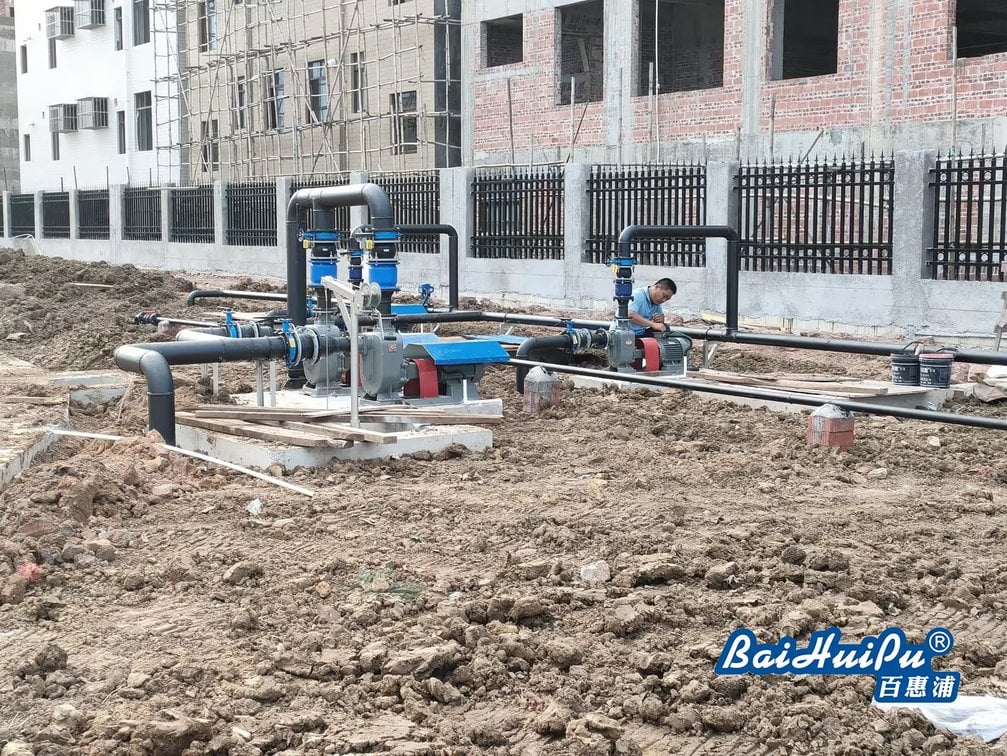
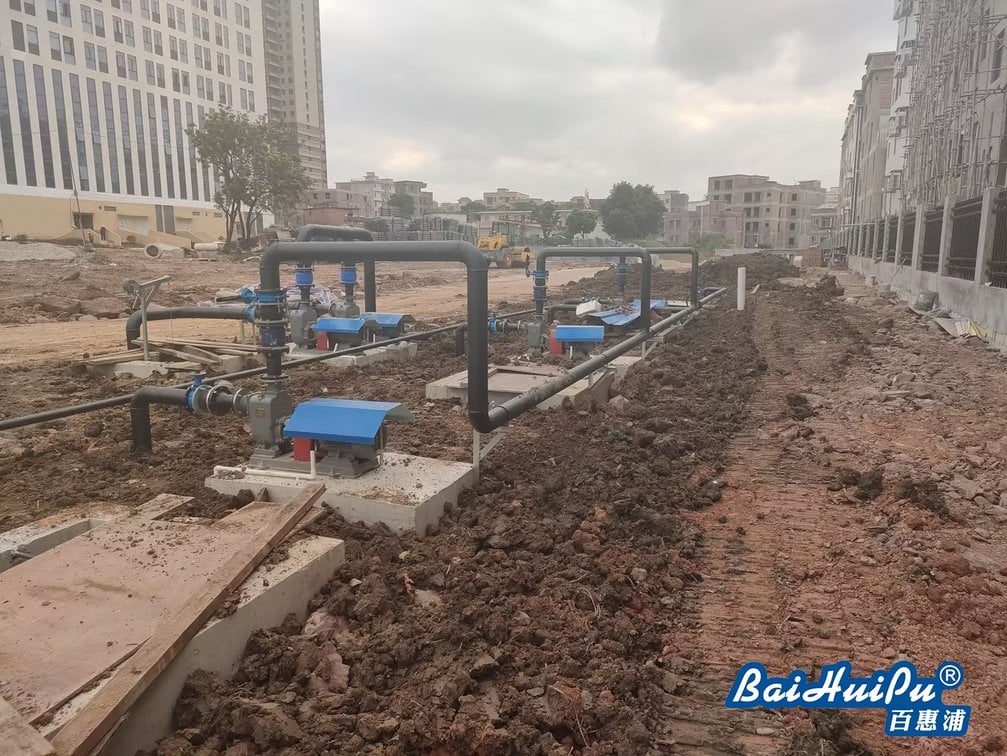
This project was implemented at a general hospital in Luoding, Guangdong, as a large-scale medical wastewater treatment solution with a designed capacity of 1,200 m³/day. The system was customized to handle integrated wastewater streams from inpatient wards, outpatient departments, operating rooms, laboratories, and medical service areas.
The treatment process includes:
Mechanical coarse & fine screening → Large-scale equalization tank → Hydrolysis acidification tank → Anoxic tank → Biological contact oxidation tank → Radial secondary clarifier → Chlorine dioxide disinfection tank → Compliant discharge
The system is optimized for hospital wastewater characteristics, including high microbial loads, variable daily flow patterns, and complex organic pollutants. Through biological treatment and disinfection processes, it reduces COD, ammonia nitrogen, suspended solids, pathogenic microorganisms, and other pollutants, improving overall wastewater quality before discharge.
The project adopts a modular civil engineering-based treatment configuration integrated with a centralized PLC automatic control system, enabling automated aeration control, chemical dosing, sludge return, and online water quality monitoring. The system supports continuous 24-hour operation under full-load conditions.
Compared with membrane-based treatment systems requiring frequent consumable replacement, this solution utilizes secondary clarification for solid-liquid separation, helping reduce long-term maintenance requirements. The equipment is designed with corrosion-resistant materials and strong adaptability to Guangdong’s humid and rainy climate conditions. The treated effluent complies with the requirements of GB18466-2005 Discharge Standard of Water Pollutants for Medical Organization.
 |
 |
|
This large-scale hospital wastewater treatment system is suitable for:
The system is designed to treat various medical wastewater sources, including:
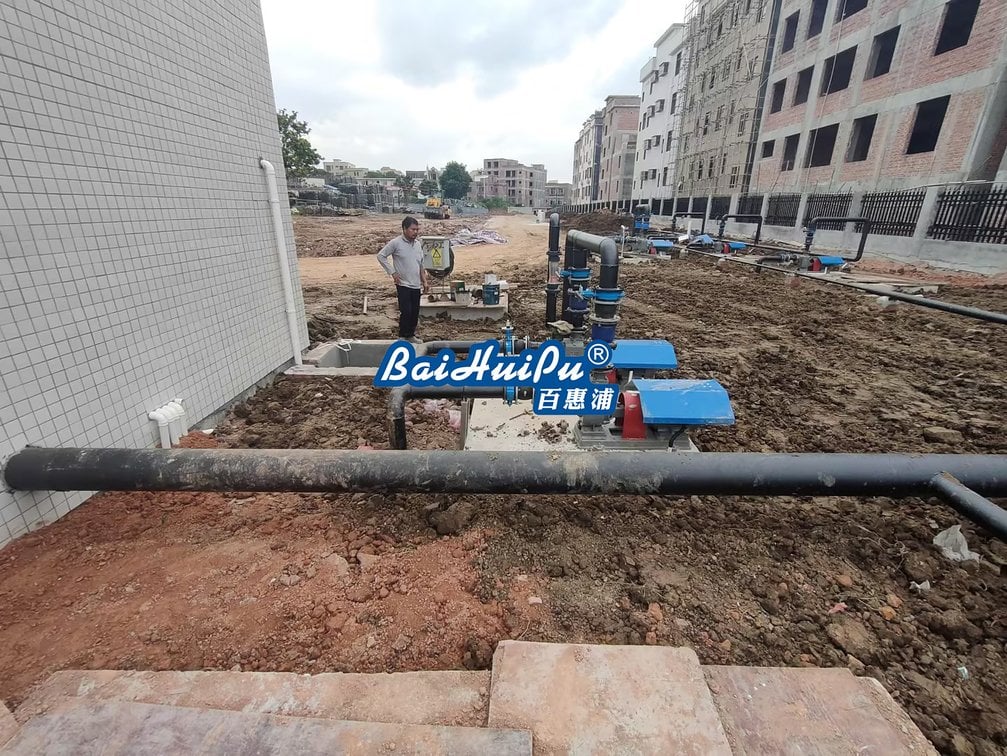
It is suitable for new hospital wastewater treatment stations, capacity expansion and upgrading projects for existing facilities, and regional medical wastewater management programs requiring stable operation and regulatory compliance.
 |
 |
 |
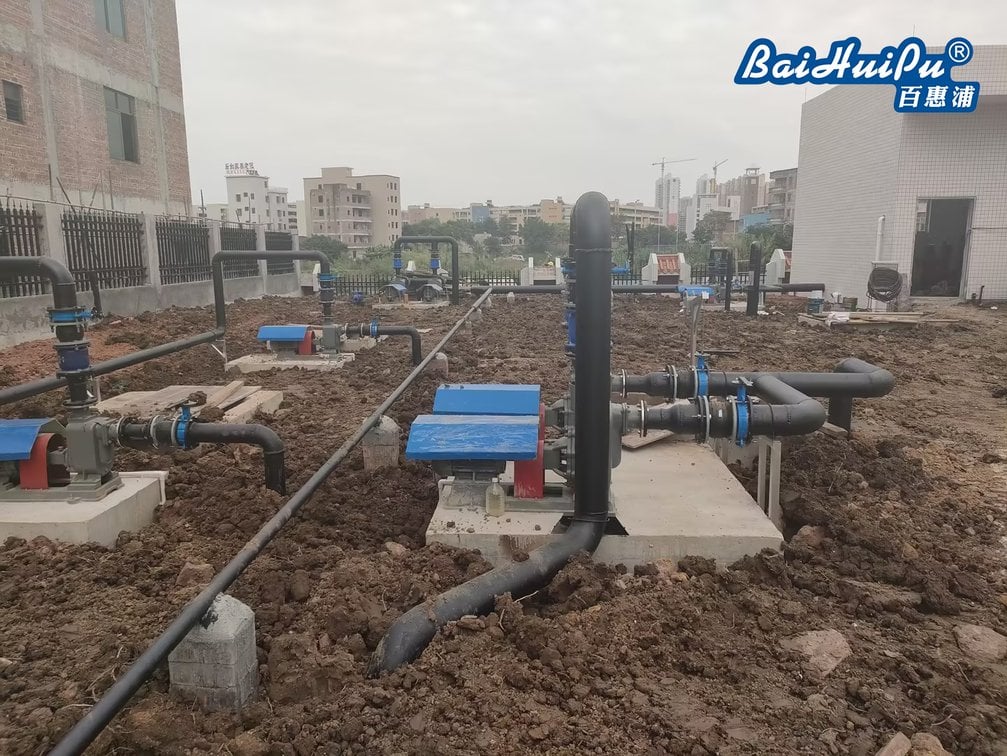 |
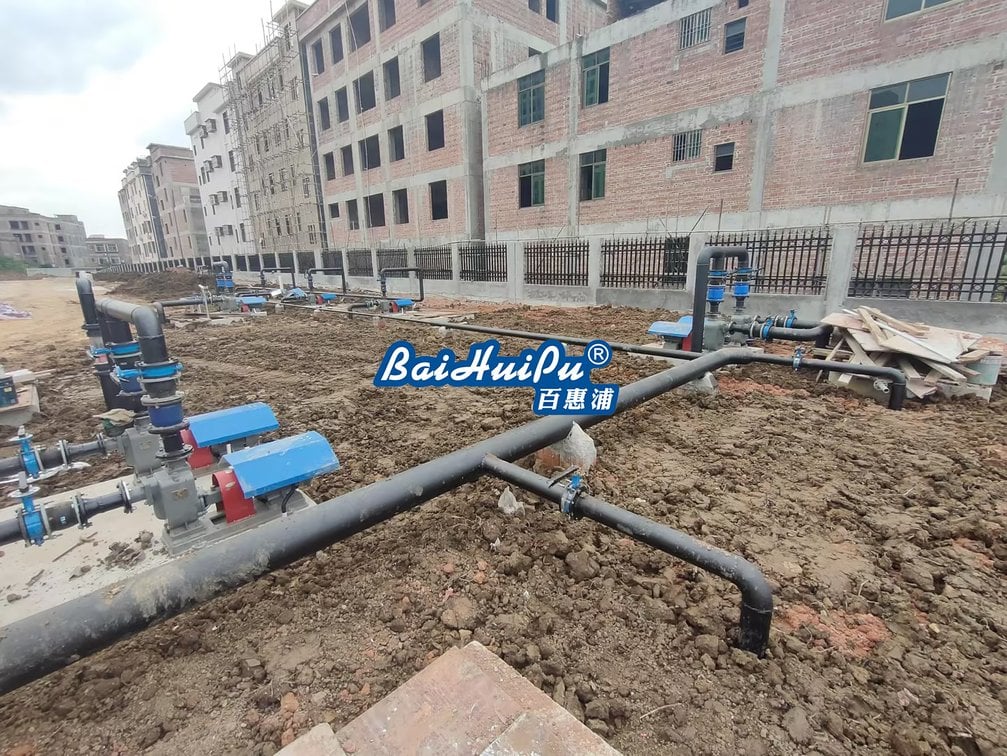
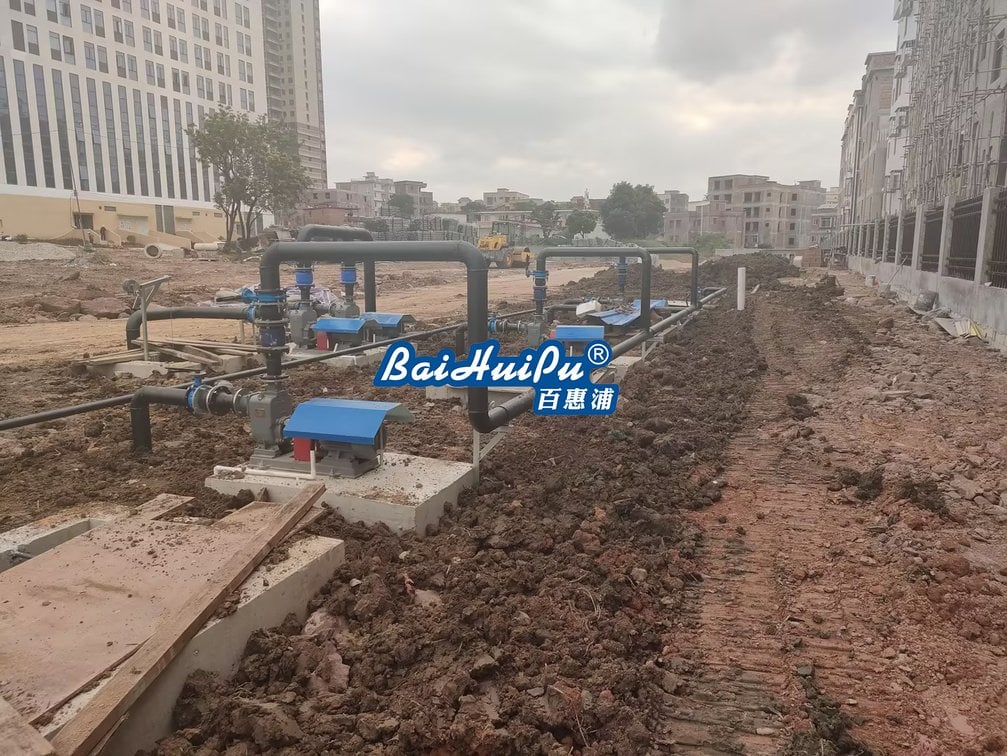
A general hospital in Luoding, Guangdong, generates approximately 1,200 tons of comprehensive medical wastewater per day from daily healthcare activities, including patient treatment, inpatient services, medical equipment cleaning, and facility maintenance.
Unlike conventional municipal wastewater, hospital wastewater contains a variety of pollutants such as pathogenic microorganisms, pharmaceutical residues, organic matter, detergents, and suspended solids. Wastewater discharge volume can fluctuate significantly due to concentrated medical activities during different periods of the day. In Guangdong’s warm and humid climate, untreated wastewater may accelerate microbial growth and odor generation, creating challenges for environmental management and public health protection.
To address the requirements of large-volume continuous treatment, stable disinfection performance, and efficient operation management, Baihuipu designed a customized treatment solution based on:
Screening + Hydrolysis Acidification + A/O Biological Treatment + Secondary Clarification + Disinfection Process
Collected wastewater first passes through coarse and fine screening units to remove solid debris such as gauze, cotton swabs, and plastic fragments, helping protect downstream pumps and treatment structures. The large-capacity equalization tank balances fluctuations caused by daily peak discharge periods and rainfall infiltration, providing stable hydraulic and pollutant loading conditions for biological treatment.
The wastewater then enters the hydrolysis acidification stage, where complex organic compounds are partially decomposed to improve biodegradability and reduce the organic load entering the biological system. The A/O process combines anoxic and aerobic treatment zones to support nitrogen removal and organic pollutant degradation, helping control COD and nitrogen-related pollutants.
After biological treatment, wastewater enters the radial secondary clarifier for effective sludge-water separation. A portion of activated sludge is returned to maintain microbial concentration, while excess sludge is collected and transported for proper disposal.
The clarified water then flows into the disinfection tank, where chlorine dioxide is applied to reduce pathogenic microorganisms and improve sanitary safety before discharge.
The complete system features automated operation, simplified maintenance, and reliable process control, reducing the need for intensive manual management. After commissioning, the project has provided stable treatment capacity for 1,200 tons/day of hospital wastewater, supporting compliant discharge, odor control, and improved environmental management for the Luoding healthcare sector.
This project provides a practical reference for large-scale hospital wastewater treatment applications in South China, combining stable performance, operational efficiency, and long-term environmental compliance.

 EN